
Like some of us, watches can experience a ‘failure to launch’ situation for a multitude of reasons. They can be ahead of a trend by a few years, or not given enough development time to fulfill their potential, or even just not granted the necessary exposure to find their market. This has led to some truly remarkable or surprising watches being left by the wayside, destined to be forgotten by most. Not all, but most. Frustratingly, some brands will abandon a perfectly good idea or framework simply to chase a more marketable trend.

Of course, this is a nearsighted approach that prioritizes short term gains at the expense of long term value building. When I’m asked about the success of Rolex, I always comment that, regardless of what you think of their individual watches, they are where they are because of their consistent focus on the long term. Instead of making decisions that might benefit them in the now, they instead make decisions based on how they fit into the long term health of the foundation itself. This has led to an enviable position in the market, and a crystal clear sense of identity, from top to bottom.
When a brand is consistently zigging and zagging, they tend to lose sight of what made them special in the first place. The cynic in me would point to the situation at Zenith as exactly such a result. They aren’t alone. With these examples listed below, we find watches that tap into something original, and say something important about the brands producing them. Even setting all that aside, these are just some really cool watches of their time, and never really got the chance to flourish.
TAG Microgirder

In 2012, TAG Heuer was positioned far more aggressively than they are today in terms of being at the forefront of high-tech innovation. At Baseworld that year, they introduced the Mikrogirder, a mechanical timer that used a coupling beam and an excitatory girder system working with a linear oscillator (not a classic hairspring) that operated at a dizzying 7.2 million beats per hour. The bullhead style watch was capable of measuring time accurately down to 5/10,000ths of a second – well beyond any human’s capacity to do so with any precision.
There was a whole line of development around this concept, including a MikropendulumS the following year. These were exciting watches to discover at Baselworld and made the whole experience quite memorable over this stretch of time. Admittedly, these were concept watches meant to showcase TAG Heuer’s technical prowess. It’s the kind of thing that takes some time to reap the benefits of, and with a repositioning within the LVMH group, that time was up. While TAG Heuer is doing some genuinely good things today (including innovating), it doesn’t quite land in the same fashion as the really out there stuff like the Microgirder.
Zenith Defy Lab / Inventor

The Zenith Defy collection has been looking to the future since it was introduced in 1969 with rugged, trend-forward sport watches. Innovation was the name of the game here and the Defy blazed its own trail. Fast forward to the contemporary Defy, and we find a collection that is almost stuck in its own shadow, and far too reliant on group-led decisions that keep it inline with its contemporaries. There was a moment in time, back in 2017, that presented a pretty exciting future that could have been.
The watch was the Defy Lab, and it was a concept that showcased a novel take on the escapement, by replacing the balance wheel, hairspring, and lever with a single piece of silicon. This was a span that saw such concepts emerge not just from Zenith, but also Parmigiani, Ulysse Nardin, and even Frederique Constant. Today, only the anchor escapement of Ulysse Nardin remains in production (or ever even really saw it). Zenith (and others) could not overcome some limitations of the design in practice, and sadly, a commercialized reference called the Defy Inventor, was short-lived.
Hublot Classic Fusion Ferrari GT

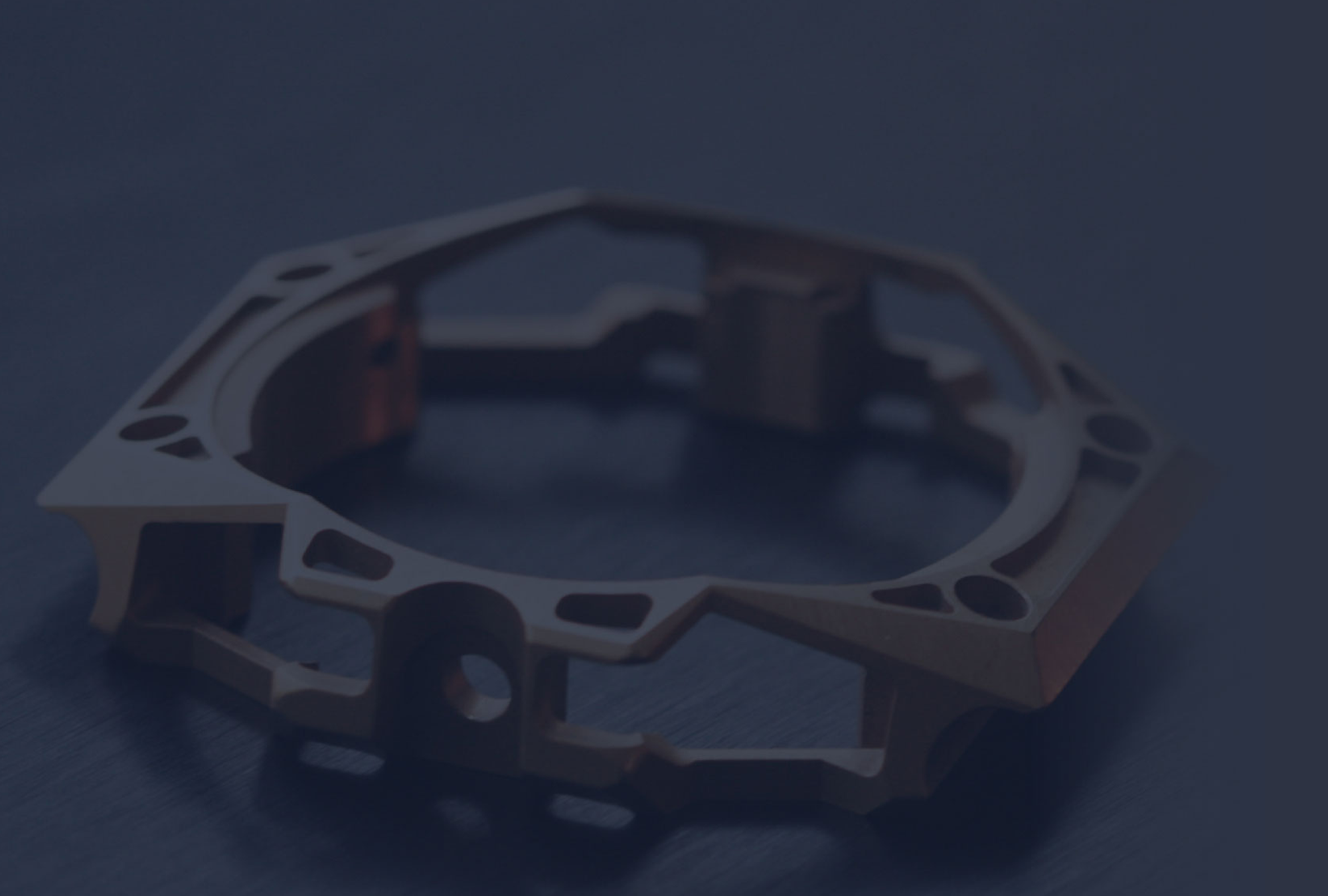
Okay, so there’s nothing technically exceptional about this watch, and it is a Hublot, but this watch showed a flash of something brilliant regardless. Generally, Ferrari branded watches from Hublot are about the last thing I’d be looking for come Baselworld, but in 2019, I (and a few others) were in for a surprise. The Classic Fusion Ferrari GT featured a whole new case design that nested parts inside of a titanium (or gold, or carbon) chassis that looked like something out of a retro-futuristic production.
Yes, it had the prancing horse on the dial, but the Ferrari connection was besides the point. This was a genuinely cool forward looking design from Hublot that found new ground outside of their Big Bang framework. Once Ferrari left the picture, this would have been a perfect foundation to continue building on.
Linde Werdelin

Finally, the brand Linde Werdelin, not just a watch, but the whole brand. They are still operational, and you can go buy a watch from them. That said, these are watches that haven’t quite lived up to their promise of laying the foundation for a new generation of sport watches. That was the promise when the brand emerged back in 2002, and what drove the development of digital appendages that could be used during activities from diving to skiing. The underlying watch had its own promise, the structure of which remains compelling to this day.
These are watches that deserve a meaningful evolution. This is a concept that still holds its own in a crowded landscape of micro brands and independent watchmakers. On the bright side, the brand is still operational, and their future remains an open question. I’d love to see slightly more ergonomic cases and the use of less prestigious but just as robust movements, personally. Whichever direction they end up taking, these watches are still worth paying attention to.
Leave a Reply