

Girard-Perregaux are pulling out the big guns leading into release season with a new Minute Repeater Flying Bridges design that doesn’t hold back. This watch represents the brand’s first take on a minute repeater using an automatic movement with the new caliber GP9530, the third new movement to be introduced by Girard-Perregaux within the past six months. The newest caliber uses 475 parts in an openworked design which pairs the chiming mechanism with a tourbillon set within the brand’s emblematic flying bridge design. There’s no shortage of drama here, and the watch itself speaks to Girard-Perregaux’s history of creating repeating and chiming watches.
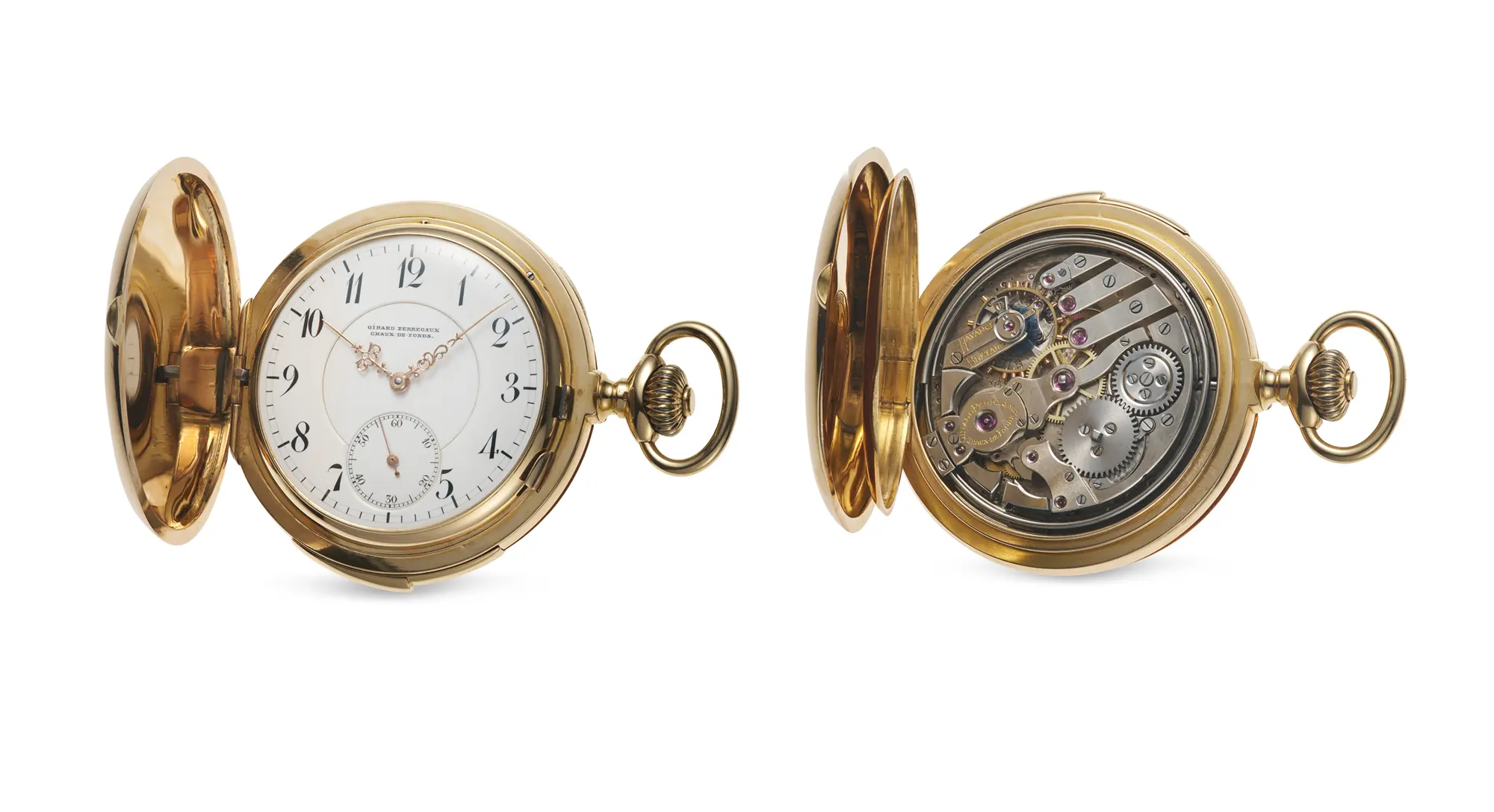
That history dates back to the 19th century and a watchmaker by the name of Jean-François Bautte, who was the first to bring all manufacturing processes under a single roof. That operation would eventually be acquired by Girard-Perregaux Manufacture, and become Girard-Perregaux & Cie in the process. By the turn of the following century, the house had developed a reputation for their craftsmanship, and were producing repeating pocketwatches alongside their famous tri-bridge designs.
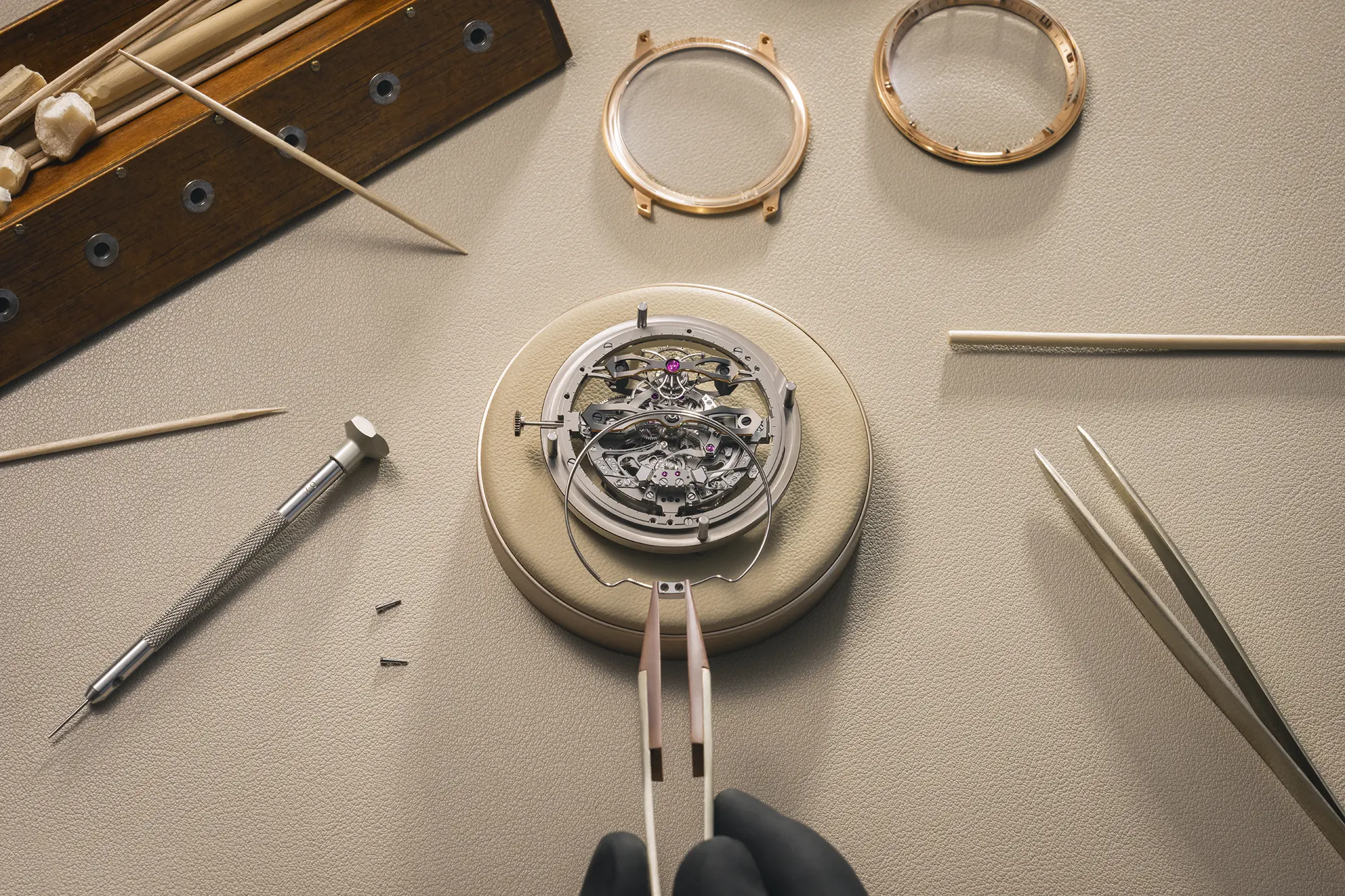
This is a history that Girard-Perregaux has preserved in a variety of ways, and with this watch, the brand is showcasing that knowhow with pride. This is a fully openworked design that incorporates 1,340 hand-polished chamfers, 295 of which boast internal angles, that takes over 440 hours to properly finish and assemble. Every portion of the caliber is visible, held together via two floating bridges rendered in black on the front, and a single bridge on the rear.
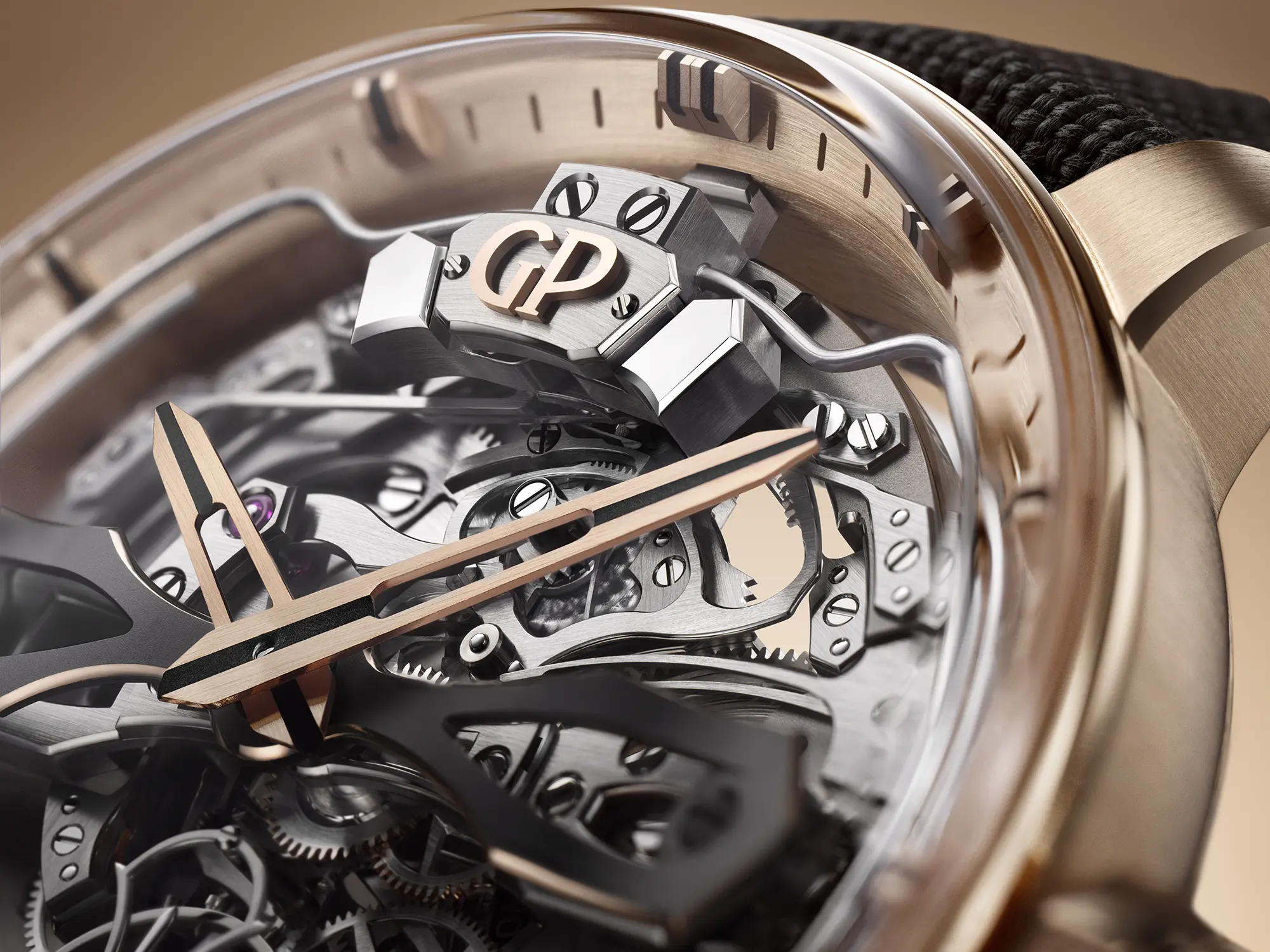
The works governing the striking mechanism is on full display toward the top of the dial, culminating in the hammers themselves on either side of the GP logo placed at 12 o’clock. The gongs themselves from the dial and appear to be floating themselves to allow for maximum resonance of the sound. The whole mechanism is activated via a slide along the nine o’clock wall of the case, and it’s been done in a manner that still allows for a 30 meter depth rating, which has me curious as to how well the sound of this thing would travel underwater.
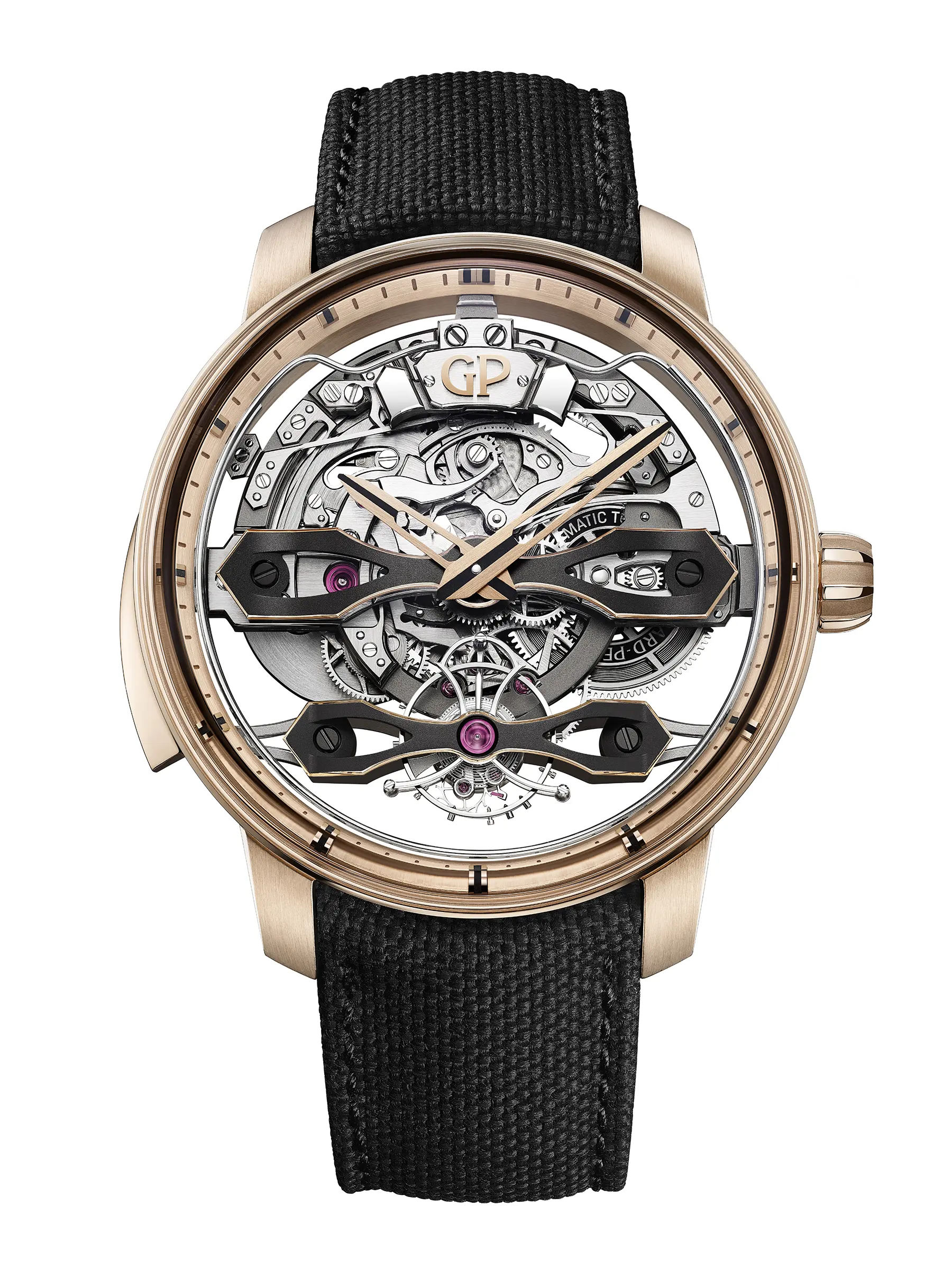
All of the action at the top of the dial leaves a relatively sparse section below the hand stack for the 60 second tourbillon to occupy. This is a minimalist watch if ever there was one, though it boils down to simply telling the time. The rest is theater. And that’s perfectly fine when it’s executed in a manner such as this. This is Girard-Perregaux exploring the boundaries of their aesthetic and mechanical DNA, and the result feels unique and new while still being unmistakably Girard-Perregaux. The price? A cool $590,000.