
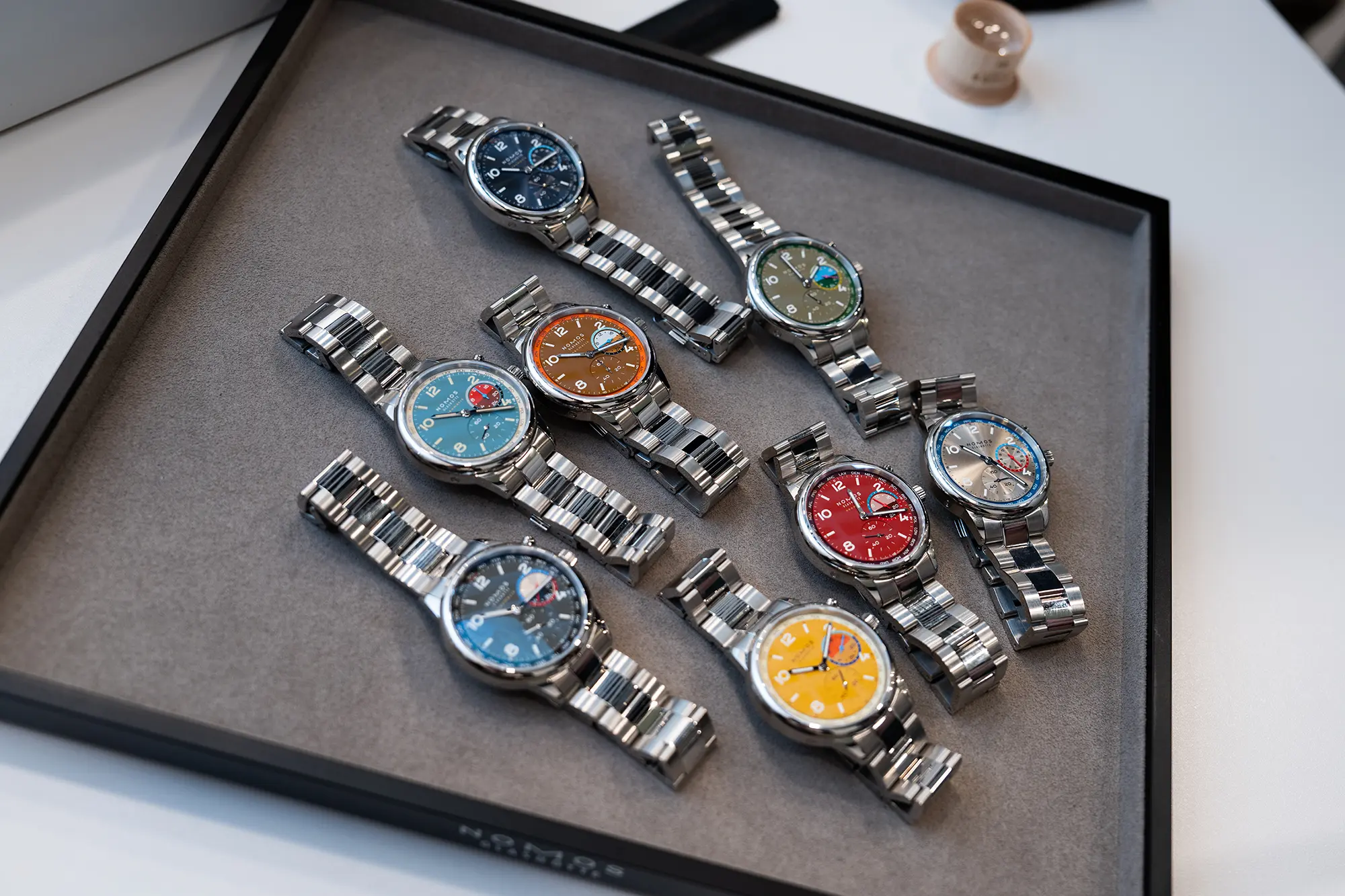
When it comes to trends, more often than not we end up seeing what we want to see. In real, tangible terms, the ebbs and flows of the industry are driven by forces that, believe it or not, lay outside of the realm of enthusiast discourse. There is a trend that benefits both the broader market as well as the niche enthusiasts circles, and that is an increase in the sheer diversity of options being offered by many brands. This has shifted the conversation around things like size and color trends that once featured heavily around this time of the year, and placed more of a focus on the ideas being expressed. This is a net positive shift and once that needs to be preserved heading into 2026.

There was a time when watch sizing served as the focal point of discussions around where the industry was going. In reality, this point was a proxy for the clash between the larger, modern frames being produced at the time, and an emerging interest in vintage watches and their much smaller, more wearable cases. This eventually gave way to brands creating modern reissues of their vintage designs, or finding other ways to introduce an ‘aged’ element to the design to capture the same feel, all while case sizing began to settle into a sweet spot of consistency.
More recently, the pure throwback trend has subsided, though not entirely gone away. Instead, it’s become just another shade of the current market offerings, a sign of a move toward providing a more diverse range of options. From Rolex offering the Explorer in both 36mm and 40mm sizes, to Cartier fully fleshing out the Santos collection sizes in small, medium, and large format. Even the brand that once served as a symbol of the large watch trend, Panerai, now offers their famous Luminor case in 40mm form right alongside the 44mm and 47mm variations.
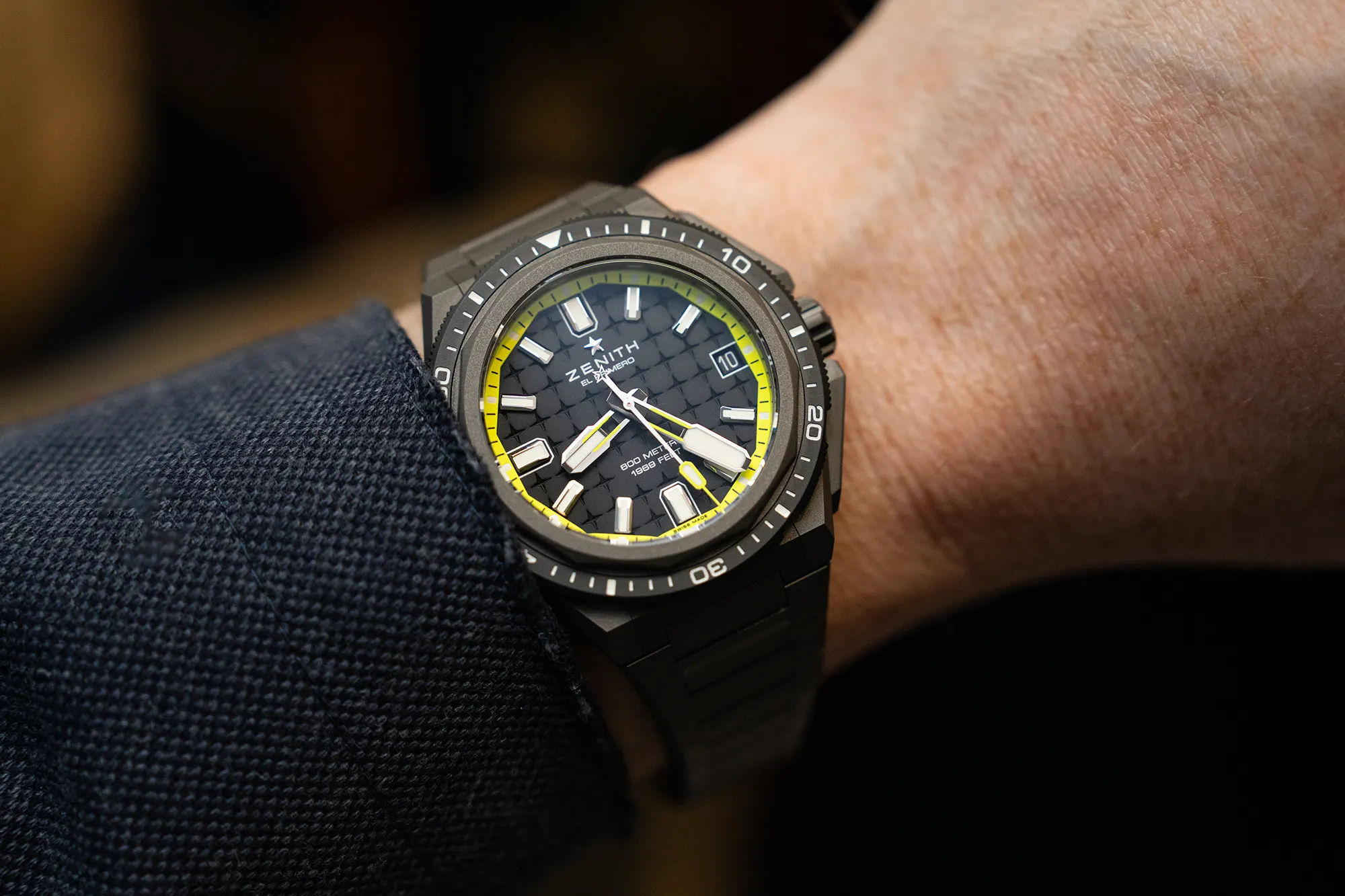
This isn’t strictly limited to the large Swiss legacy brands, either. The likes of Christopher Ward, Oris, and Farer offer a surprisingly vast array of case sizes. No longer is there a need to bicker about which is best or where the trends are moving. Instead, we can now get back to arguing about what really matters: date windows. Joking aside, this doesn’t even stop at sizing. Straps, gem set options, and dial colors are also increasingly seen as the ante to play these days.
Having options is certainly a good thing for the market at large, and provides all manner of enthusiasts to more fully express their own taste, so on the whole I think this is a positive shift for the health of the industry. The only downside being the potential watering down of what may have been considered highly focused designs. The watch that drew attention to this manner was the Pelagos 39, which was an attempt to bring Tudor’s highly focused modern dive platform to a wider audience by softening some of the edges. A sunray dial and bezel and a smaller case made it a hit, while some purists saw it as a worrying sign of compromise.
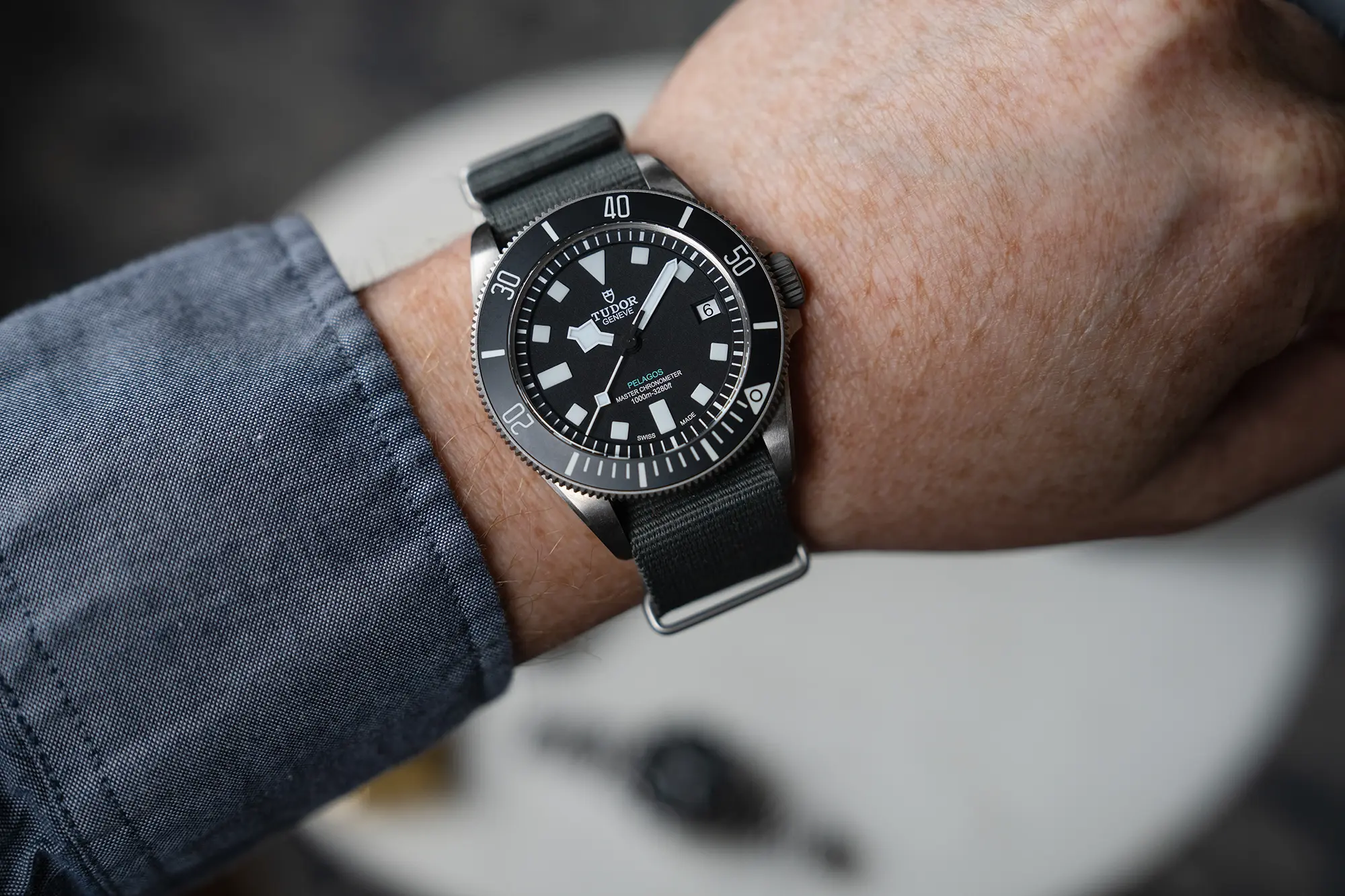
The P39 is a very minor example, but stepping back, it does bring up a valid concern. If a watch needs to be everything to everyone, it will invariably lose sight of what made it special in the first place. There’s a fine balance that needs to be found here, and I think some watches, and some collections, need to tread very carefully in how they approach an evolution that includes more variety. I often point out the difference between the Submariner and the Fifty Fathoms, two dive watches that shaped the genre in the mid ‘50s. The Submariner has largely remained faithful to the original formula (today, the entire collection consists of just eight references), while the Fifty Fathoms has spawned a vast collection that boasts a large amount of variety (its collection hosts 74 references). As a result, it doesn’t quite hold the same cultural relevance as the Sub, but it does hit far more potential buyers thanks to the different case sizes, complications, and even dial designs.
How will this trend manifest in 2026? I think we’ll continue to see new additions to existing collections, more strap options, new dials, and even new sizes. But just how that happens will vary significantly by brand. Rather than chasing seasonal trends, brands should approach such changes with long term viability in mind. Any changes shouldn’t come at the expense of establishing the core vision of a watch or a collection, or even a brand for that matter. Easier said than done, surely. At the end of the day, I want a space that’s accessible to more people. A little less homogeneity in the watches released wouldn’t hurt, either. But that’s a discussion for another day.