
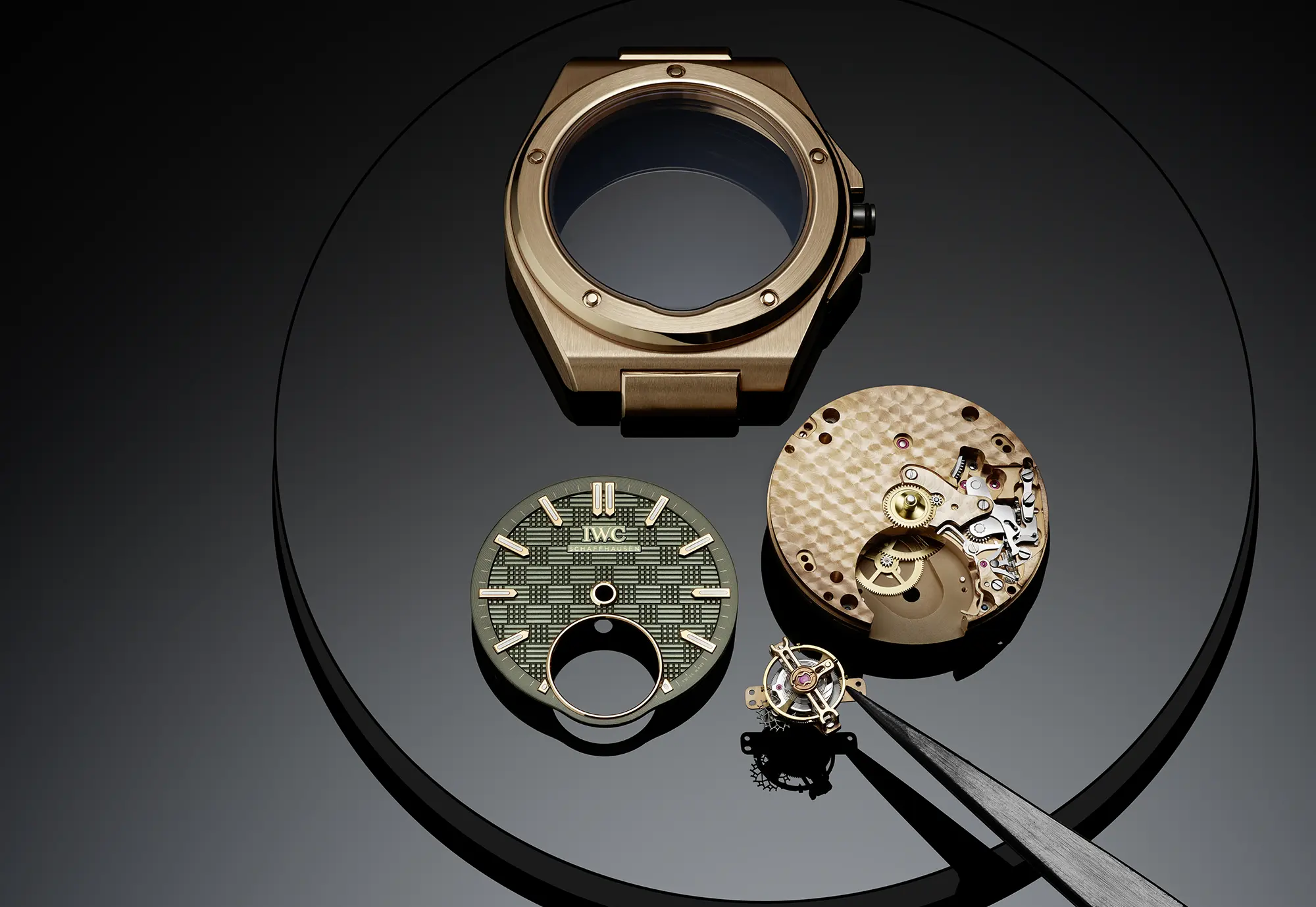
IWC continued to flesh out their Ingenieur collection this year with no less than five new references introduced at Watches & Wonders, none of which came in base 40mm sizing. You can catch my introduction of the full collection over on Hodinkee, but here I wanted to take a step back and consider what these watches say about the trajectory of the collection as a whole. In the three years since the Ingenieur was re-launched in its current form, the collection has seen considerable growth to include a variety of sizes, materials, and complications, which in itself isn’t surprising. This is a watch with a history of that kind of thing. What is surprising is the complexion of these new releases.
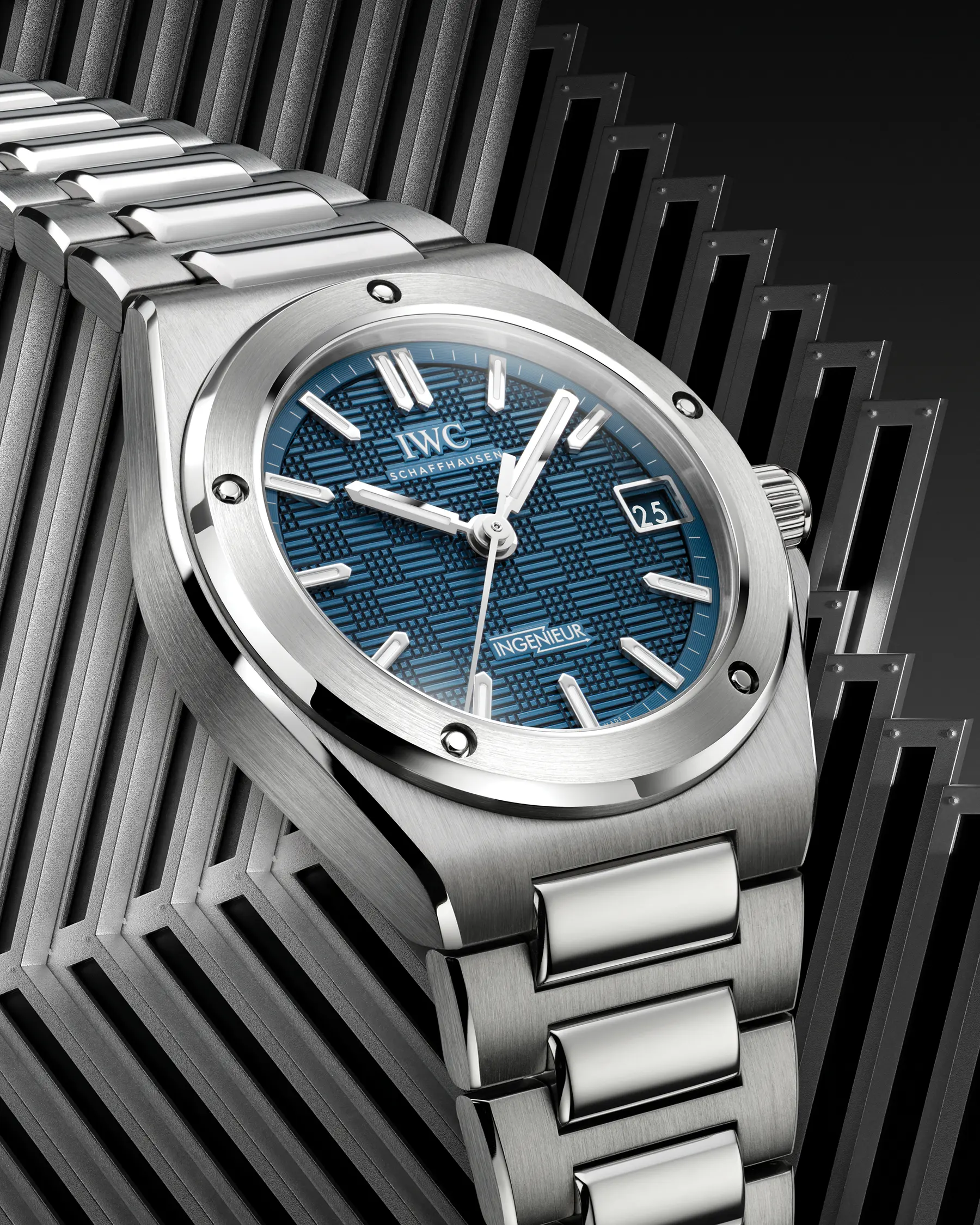
The new Ingenieur launched in a single size in time and date form, with a trio of steel examples and a single in titanium. This would serve as a strong foundation to build on, though it wasn’t without controversy due to IWC pricing strategy. In total, the watch was very good, if aggressively priced at $11,700 in steel. Today, that number is $12,900, by the way. Like many watches built on the bones of a tool-inspired framework, the Ingenieur is now very much a premium luxury proposition. With the newest additions to the collection, those intentions are all the more clear.
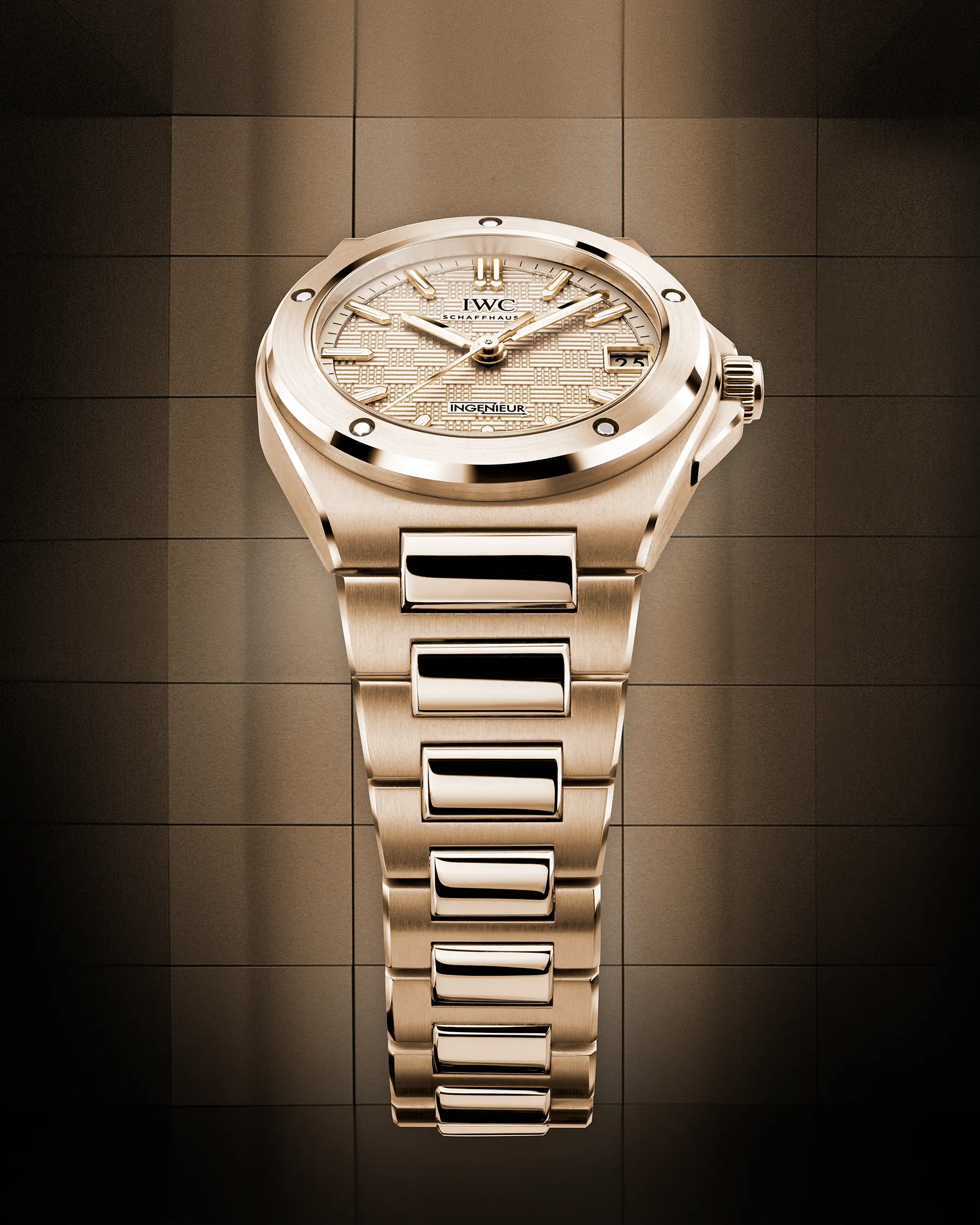
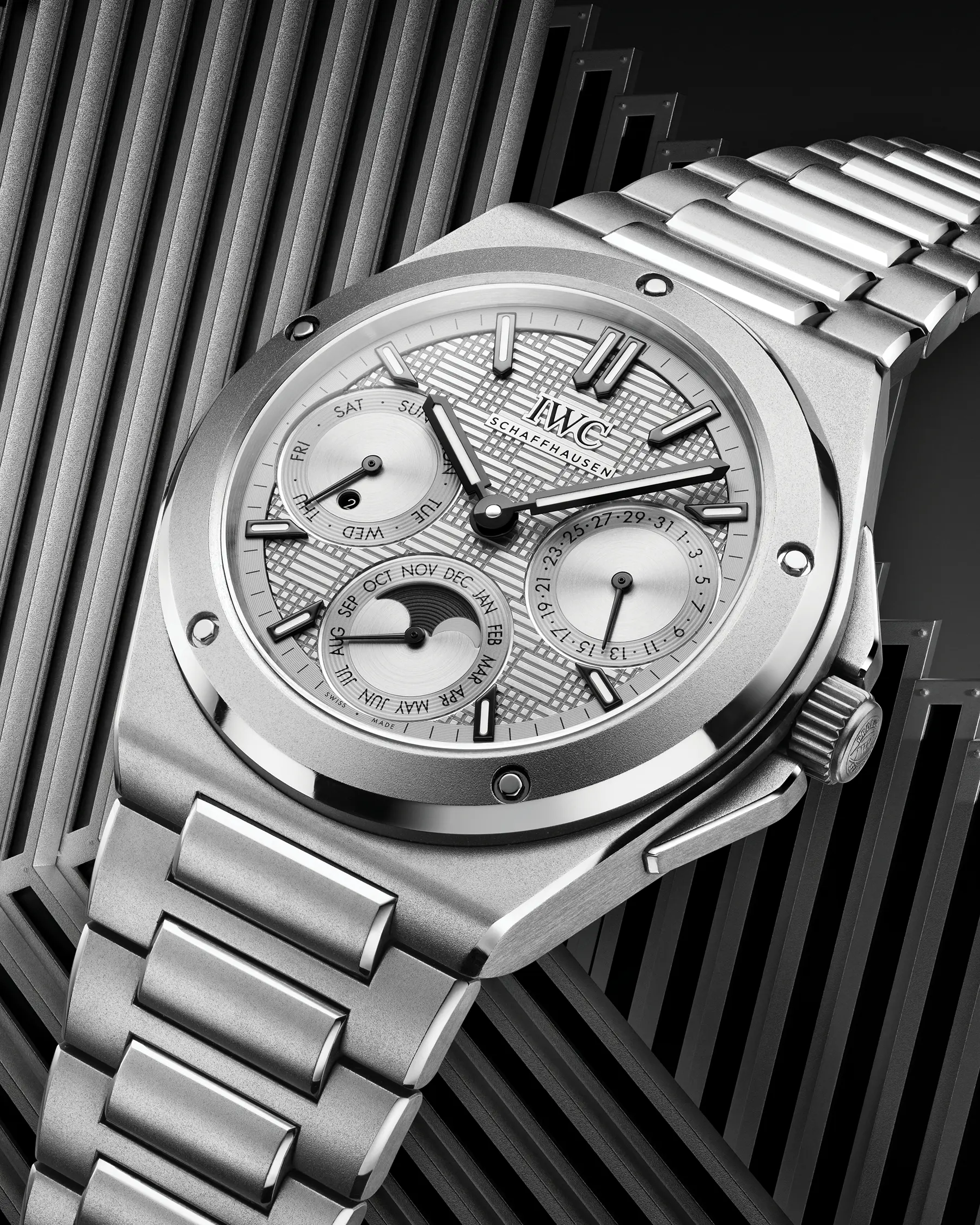
This year, where some may have expected a natural progression into complications such as a chronograph or GMT, IWC instead chose to jump directly into the deep end with the introduction of a tourbillon, another perpetual calendar, and a gem set option. It’s clear that the brand is going after a very different buyer than they were when the 3239 was released in 2013. While that generation would also dabble in high-end complications, the underlying guise of an approachable sport watch was maintained.
With this generation, IWC has found a vessel to showcase more of their (and their partners’) watchmaking prowess rather than an entry level volume mover. To be clear, I don’t think the new watches are bad or ill advised. The design lends itself well to the kind of exploration that IWC has chosen. It merely represents a different direction than they could have gone with more of a focus on approachable complications that also have a history within the collection.
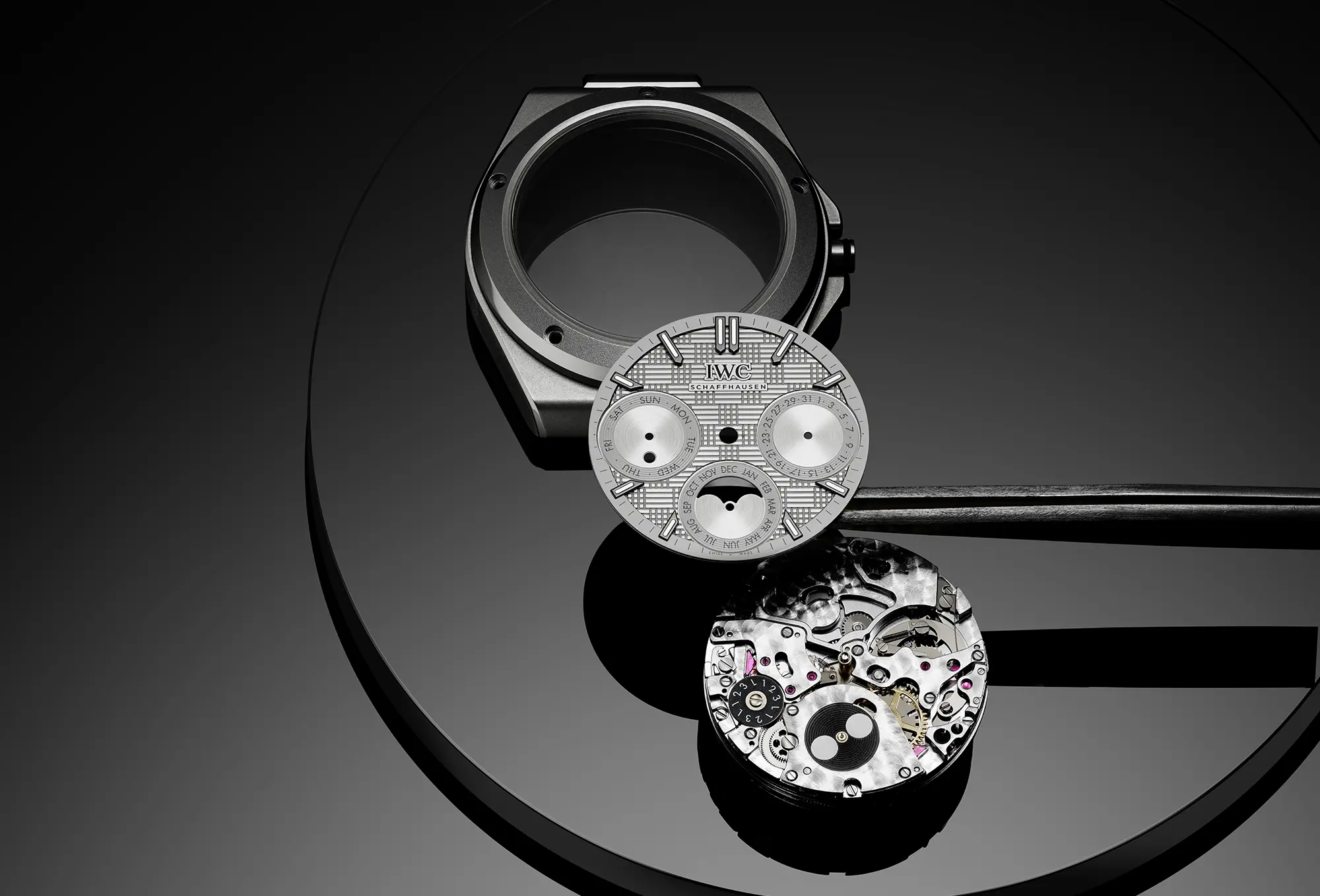
This choice also likely means playing in a different field of competitors, with potential buyers of these watches seemingly spoiled for choice these days. As mentioned in the introduction of Jaeger-LeCoultre’s new Master Control Chronometre, IWC may lack some of the finesse of other players occupying a similar space. It’s the same story with their new Pro Set perpetual Calendar movement (not yet in the Ingenieur), which has prioritized a feature set (setting the watch both forward and backward) over something like a fully integrated movement which would allow them to take a step further into the premium space they’re currently flirting with.
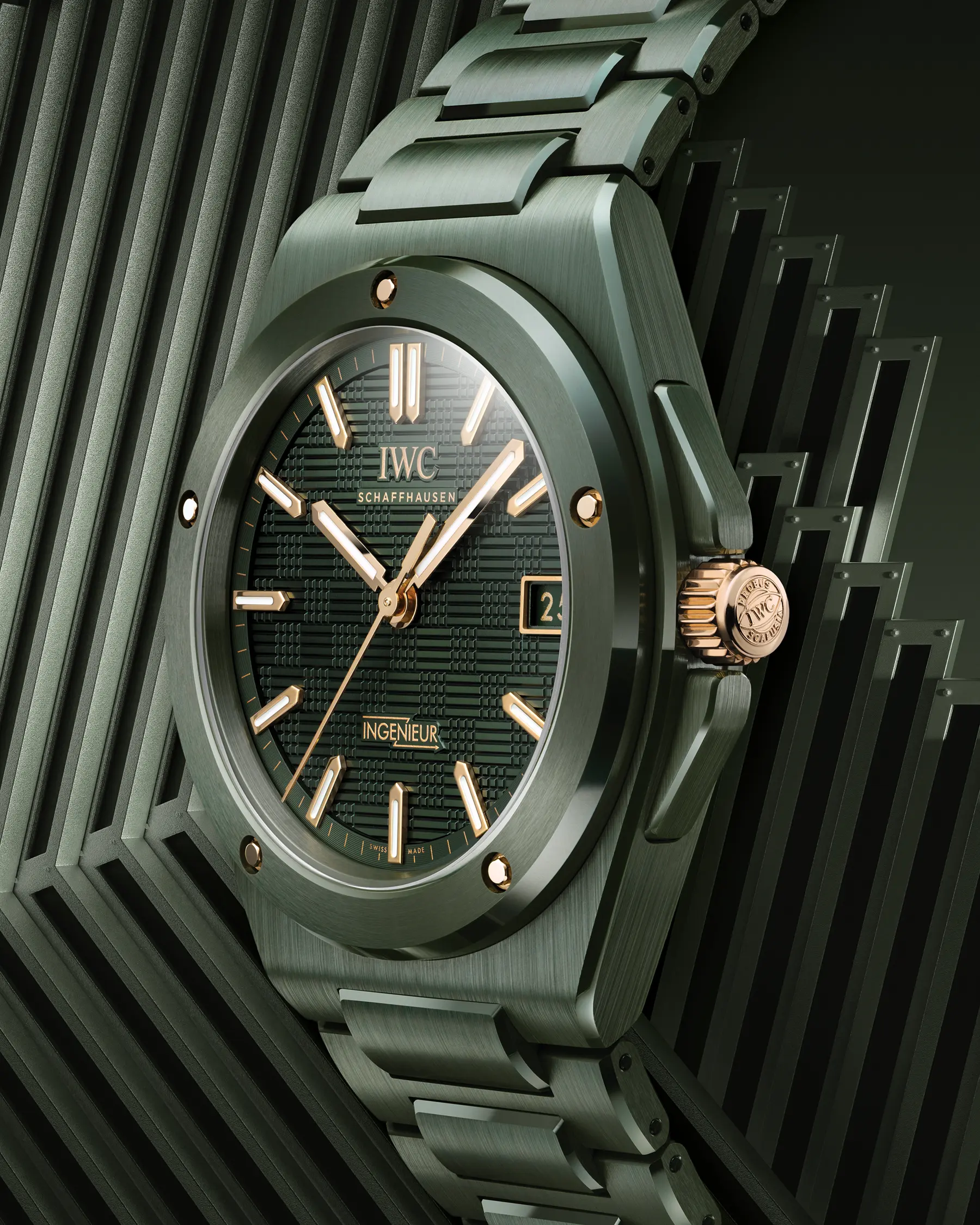
IWC can pitch this as their strength, retaining, let’s call them sportier, proportions that aren’t subtle in nature. But then, wasn’t that the raison d’être of the Genta Ingenieur when it originally launched in 1976? A subtle, luxurious sport watch? The beauty of the Ingenieur was that it could offer an analogous experience to the Royal Oak and the Nautilus (from the mind of the same designer, no less) without having to fork over the extra cash to get into an Audemars Piguet or Patek Philippe.
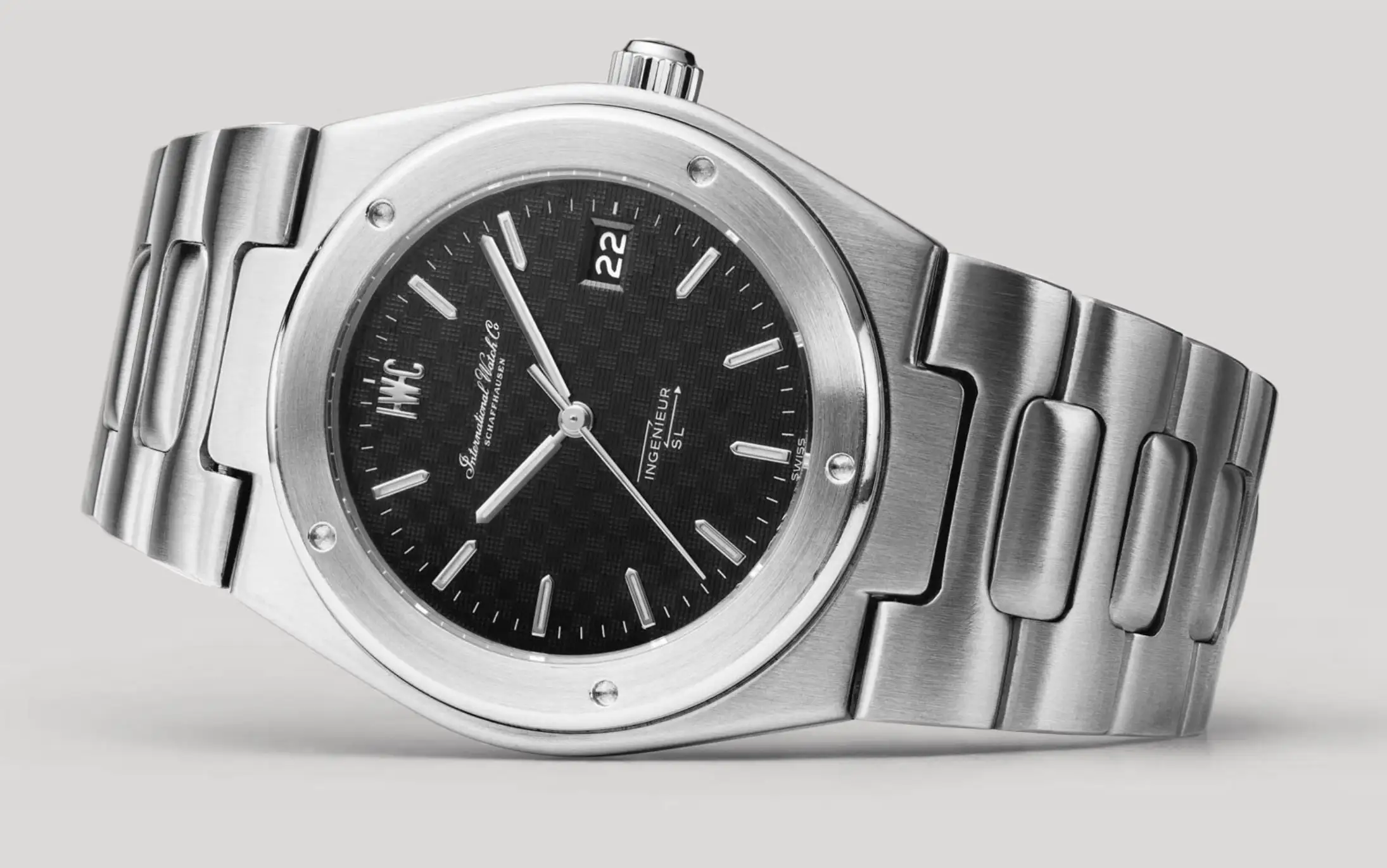
Today, this genre is far more saturated than it was in the ‘70s, and buyers have plenty of options when it comes to a reasonably thin integrated bracelet sport watch. The Ingenieur stands out for a few reasons: its history, its execution, and its design. It’s unquestionably a watch with bona fides, though not one that brings high-complications to the front of mind. When I think of the Ingenieur as a whole I tend to frame it as a luxury sport watch with more of an instrument or engineering vibe than a chic, glamorous vibe.
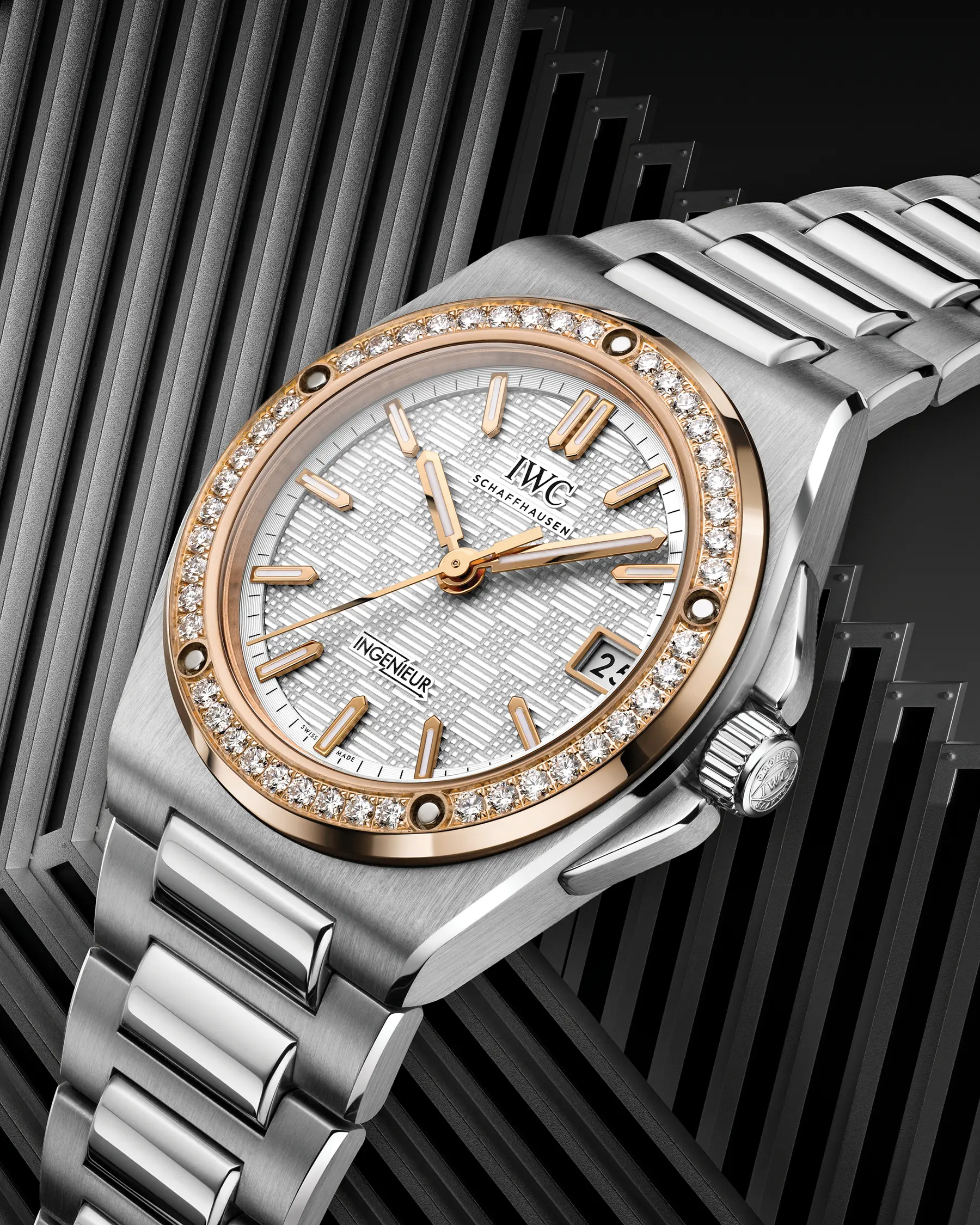
As a result, when I see the new Ingenieur and consider the collection as a whole I see something of an identity crisis working itself out. Strangely, the titanium perpetual calendar is the kind of approach I’d like to see more of, and when I squint I kind of see what an Ingenieur Chronograph might look like. That’s the territory the Ingenieur should be exploring. My fear is that there is no reasonable price opening left for an Inge chrono or Inge GMT.
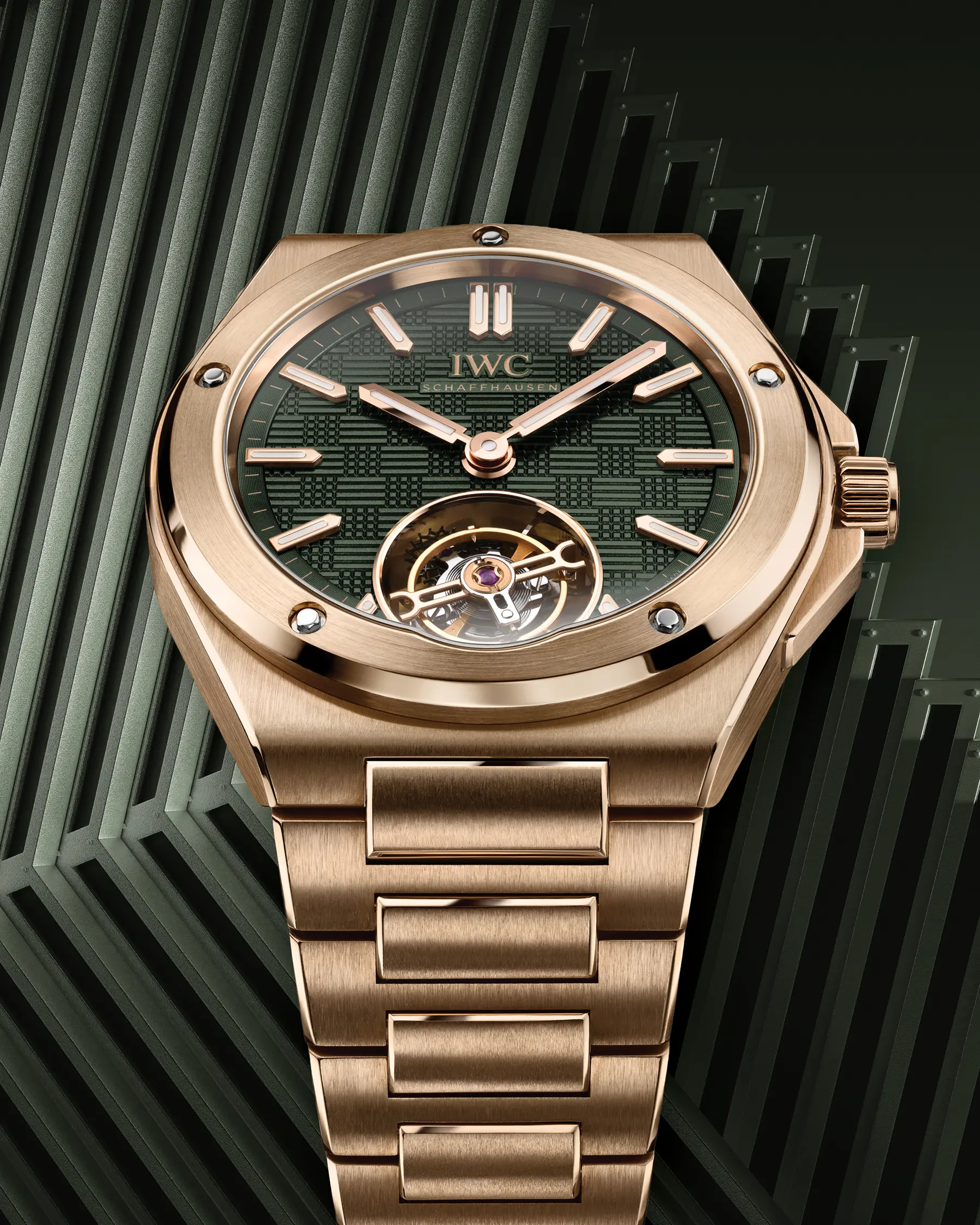
With the time and date models nearing $13,000 in steel, and over $16,000 in titanium, where does that put a would-be chronograph or a GMT? Easily in the mid $20,000 range, highlighting the downside of such aggressive pricing out of the gates. There’s a disconnect between this positioning and the brand’s bread and butter Pilot’s range that even the excellent bracelet of the Inge can’t quite bridge.
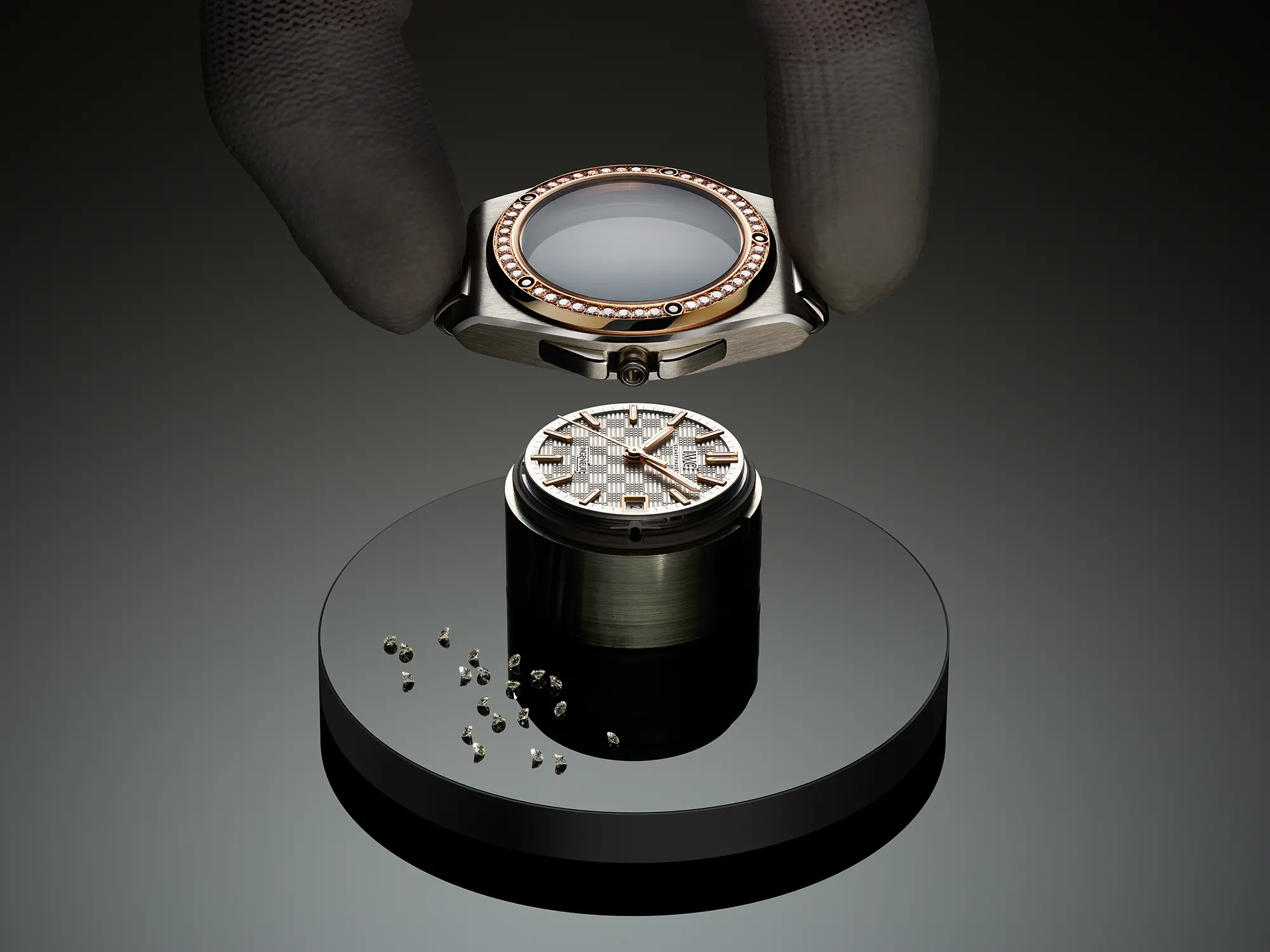
So, where does it go from here? Well, this year is the 50th anniversary of the Genta designed Ingenieur’s release, which went unacknowledged at Watches & Wonders. I’d suggest that when we (presumably) do see an anniversary model at some point this year, it will open the door to a new development direction for the design. IWC has gotten away from their “Tribute” watches in recent years, which leaves plenty of room for a wholly new branch of the modern Ingenieur to be introduced.
Otherwise, perhaps a composite strap option is in the cards for future Ingenieur releases.
Whatever the case, IWC has a strong design on their hands with this generation of the Ingenieur. Exactly how it’s been positioned could use some ironing out for long term success, preferably without fully abandoning a subset of buyers that fell in love with the brand in the ‘90s or earlier. IWC