
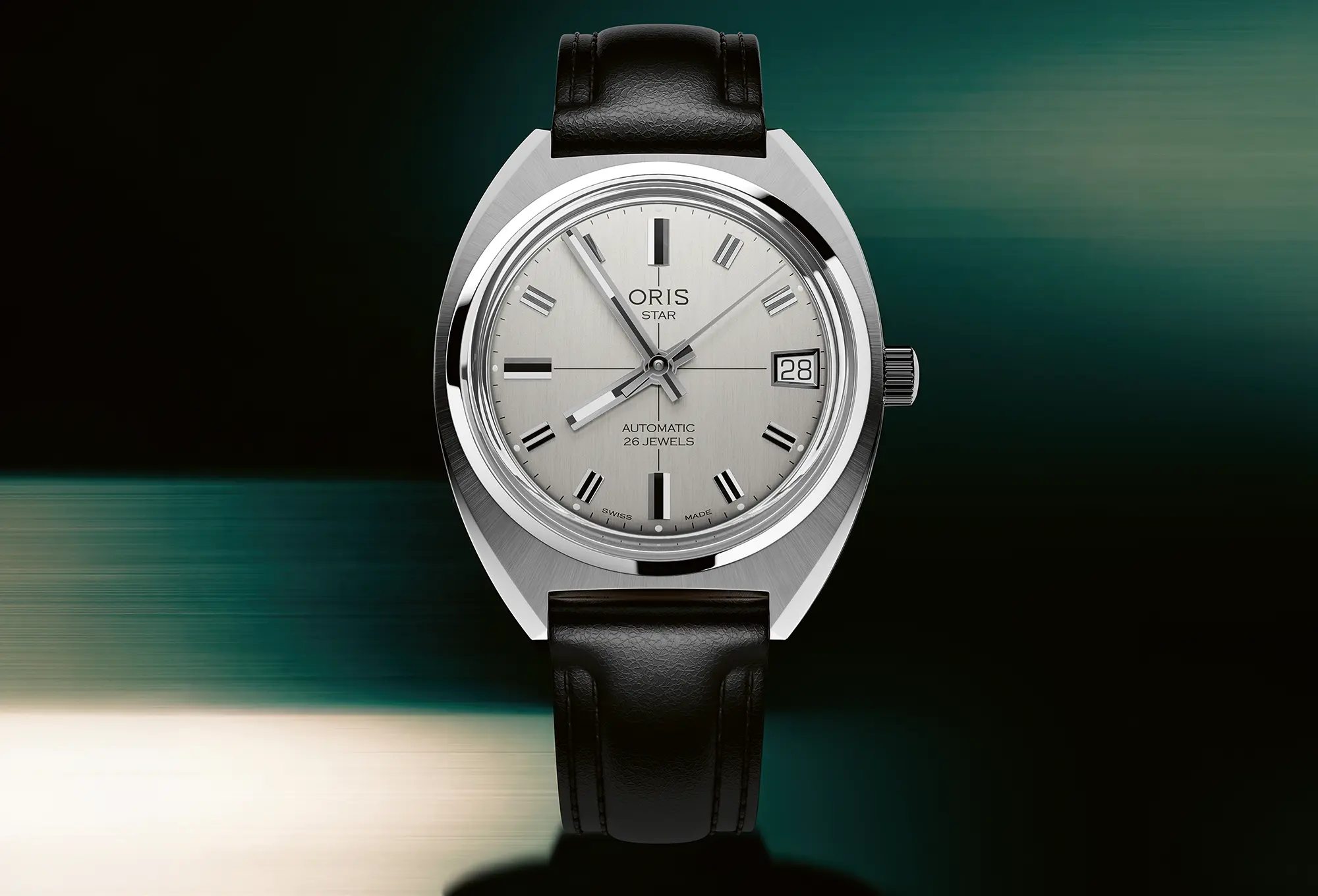
Oris brought a handful of interesting releases to Watches & Wonders this year, including a provocative revamp of their Atelier collection. But there’s one watch that immediately stood out for its old-school Oris charm, and that is the return of a 1966 design called the Star. This is a watch that holds an important place in the history of the brand, and represents something of a turning point for the Swiss watches industry as a whole. This was the first Oris watch to employ an in-house lever escapement after the reversal of the Swiss Watch Statute a year prior. An event that Oris played no small part in.
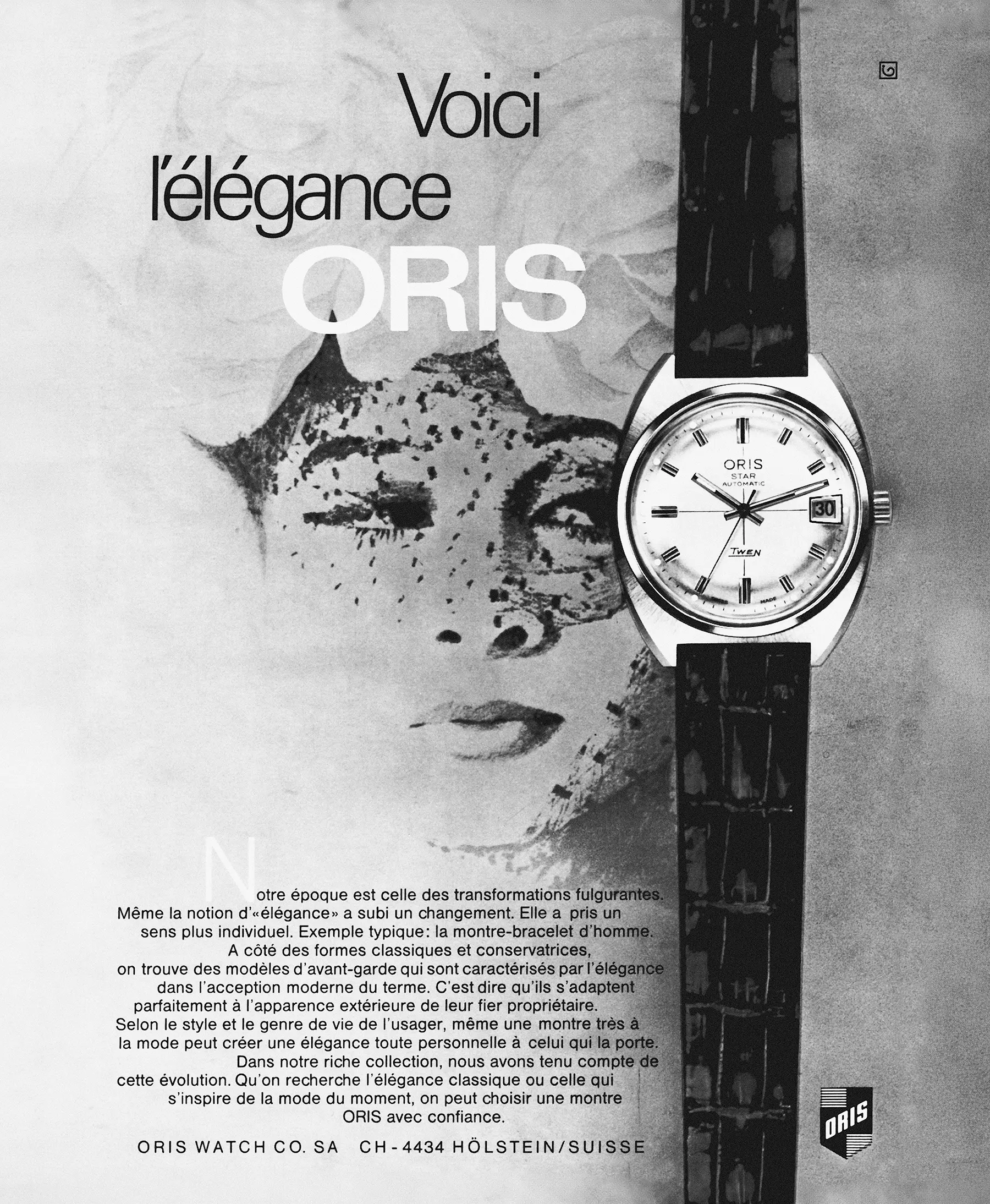
The Swiss Watch Statute arose after the economic crisis of the late 1920s, which had far reaching effects globally. The idea was to protect the nation’s ability to compete globally with their movement manufacturing. Thus, manufacturers large and small were clustered into state-owned groups, stifling competitive innovation in the process. What began as a move to save the industry ultimately ended up hobbling it, and worse still, leaving it ill prepared to handle the coming quartz crisis.
By the mid 1980s, most of Switzerland’s movement manufacturers had been merged with ETA who, until quite recently, was forced to provide movements for third party brands. The SWATCH Group’s battle with the Swiss Competition Commission is a story for another time, however.

In 1965, a lawyer hired by Oris, Dr. Rolf Portmann, managed to work with the Swiss government to get the statute overturned, and formally abolished by 1971. Oris was quick to take advantage, ditching the mandated pin-lever movements in favor of a Swiss lever design, and the first watch to welcome it was the Star. This wasn’t the end of Dr. Portmann’s story with Oris, however. In 1982, he and Ulrich W. Herzog organized a management buyout, ensuring the long term survival of the brand. He remains an honorary chairman to this day.
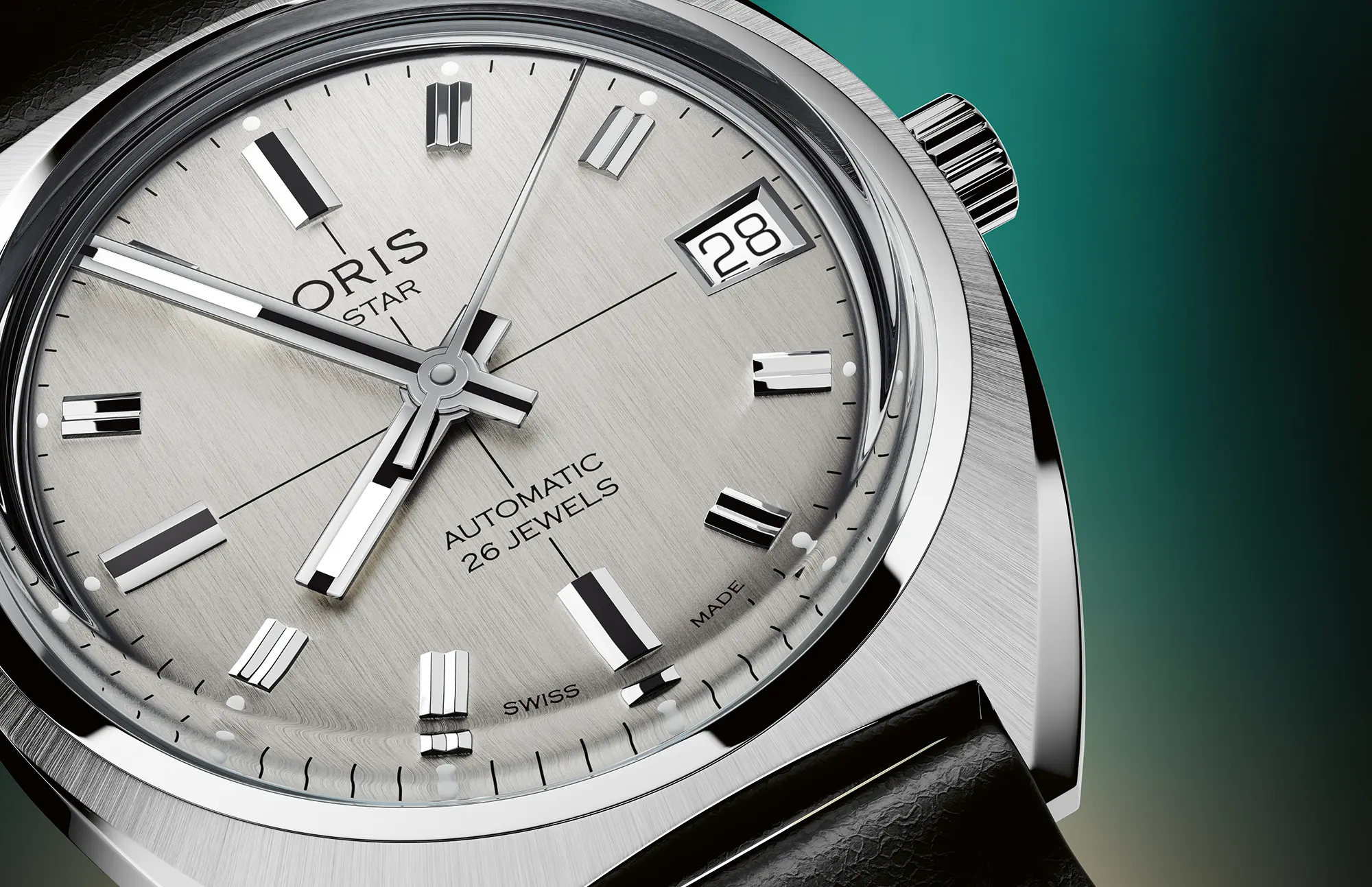
As for the watch, the new Star Edition captures the design and scale of the original, with a 35mm steel cushion case with radial brushing, and a silver sniper dial with a trapezoidal date window at three o’clock. Applied faceted hour markers and a subtle vertical brush bring plenty of personality to the dial as well. The design could be easily dressed up or down, which could be said for plenty of Oris watches in this vein.
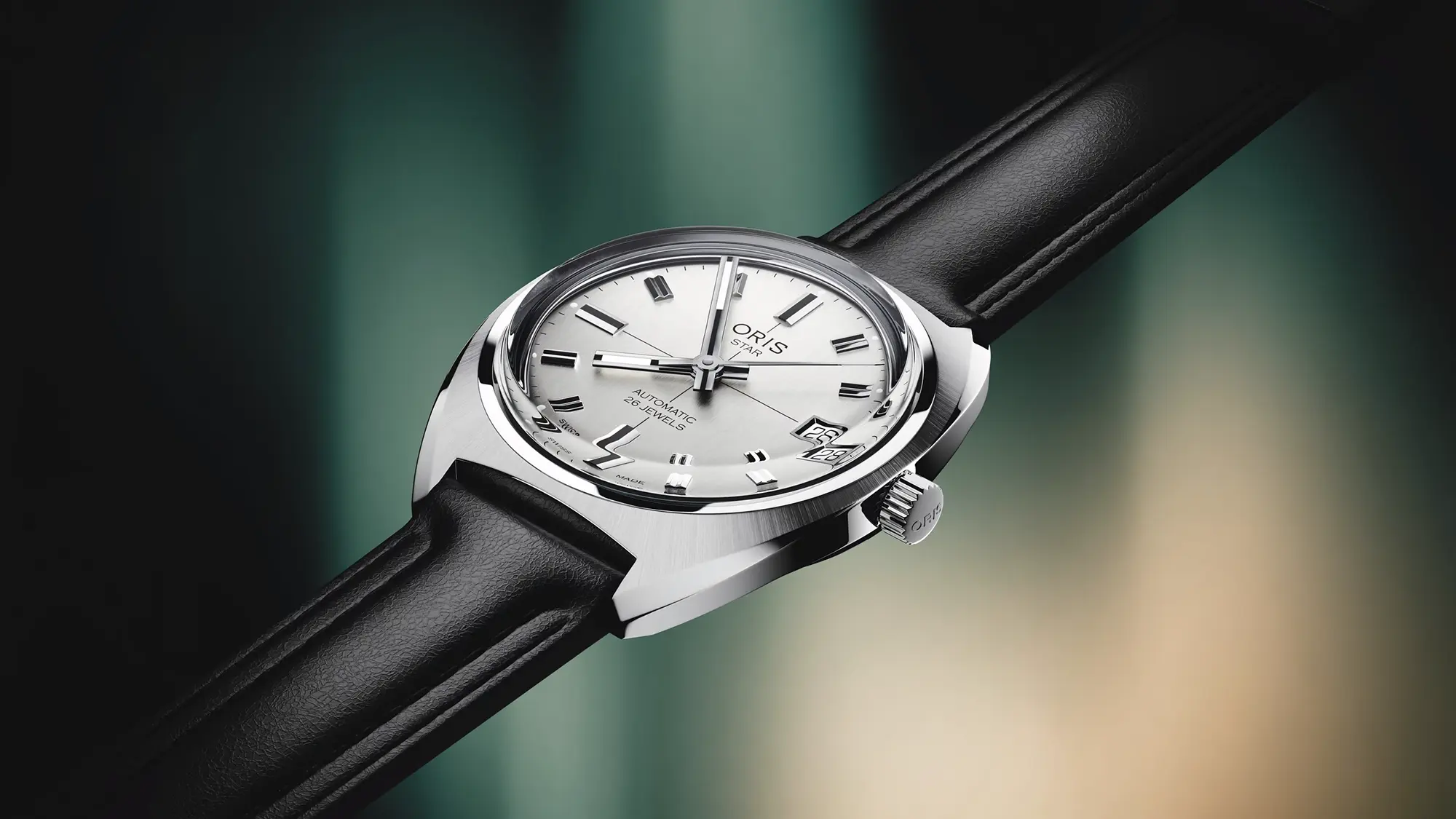
The watch is a celebration of Oris’ history and of their independence, and in particular their role freeing the industry in the ‘60s. Perhaps ironically given this inspiration, the watch uses a Sellita base movement rather than one of their own design. However, the caseback is closed, and this does keep the price at a relatively manageable $2,300. Overall this is a sharp design that puts a spotlight on the full breadth of Oris’ history. Oris