
Omega has revealed a new Constellation collection called the Observation with a design that takes the watch back to its pie-pan dial roots. In the looks department, at least. With the new watch comes a pair of new master chronometer automatic movements, and just how they achieved that status is a big part of the story here. Omega, by way of their Laboratoire de Précision, are using an acoustic testing method combined with optical handtracking to dial in these new watches prior to being certified by METAS. The result is the first watch without a seconds hand to be master chronometer certified.
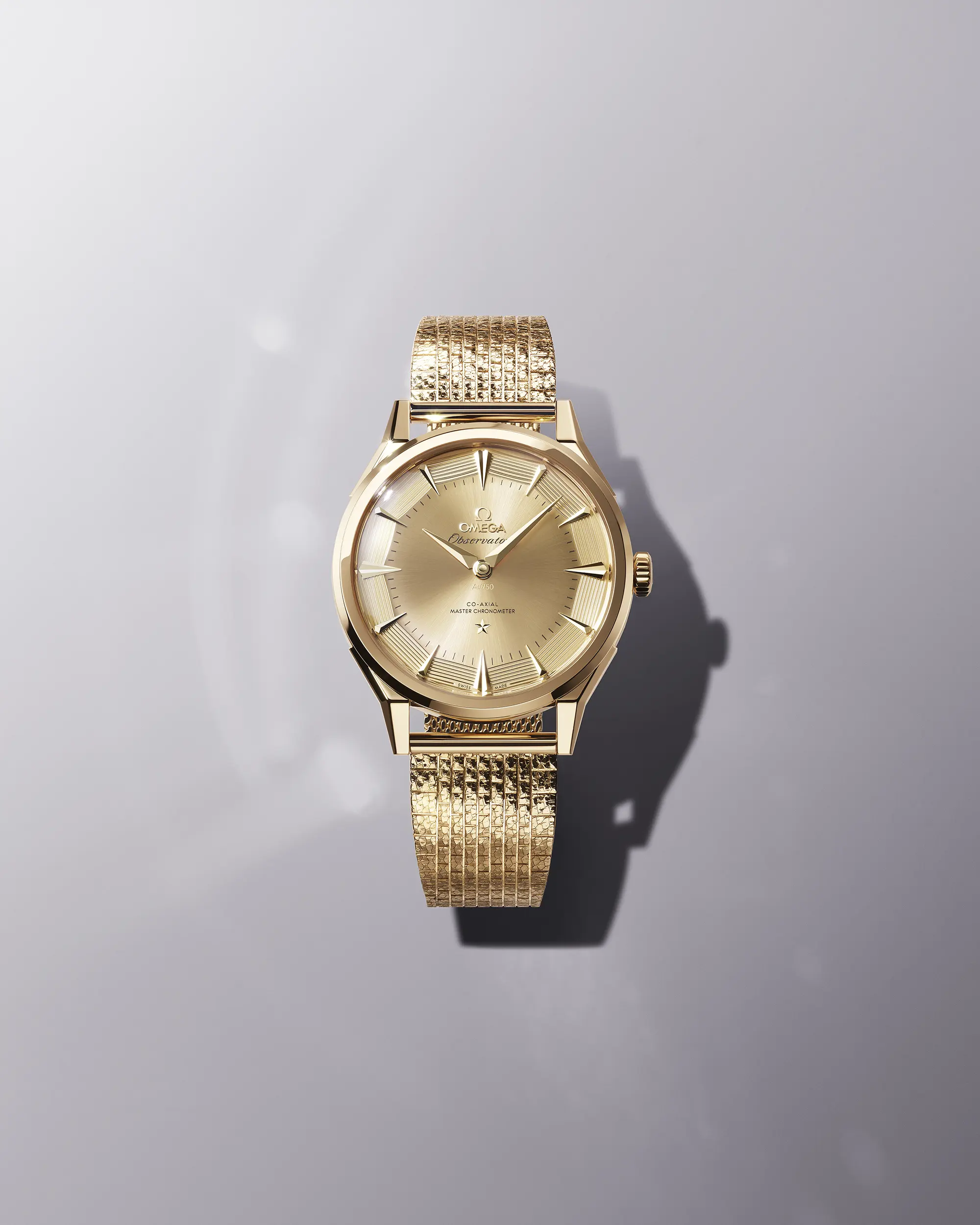
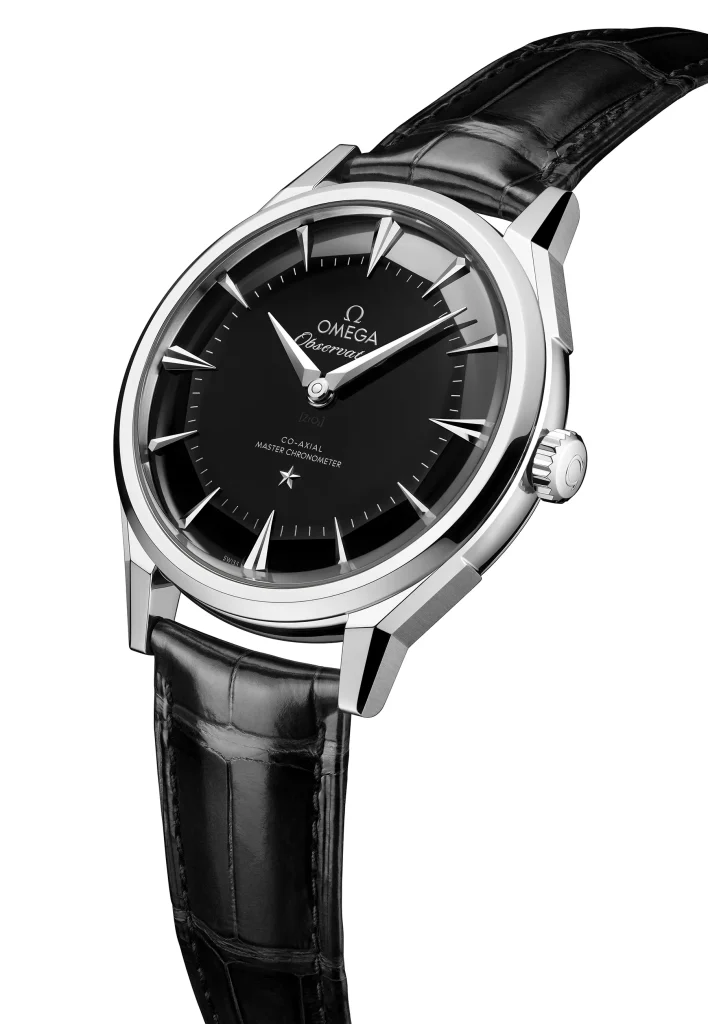
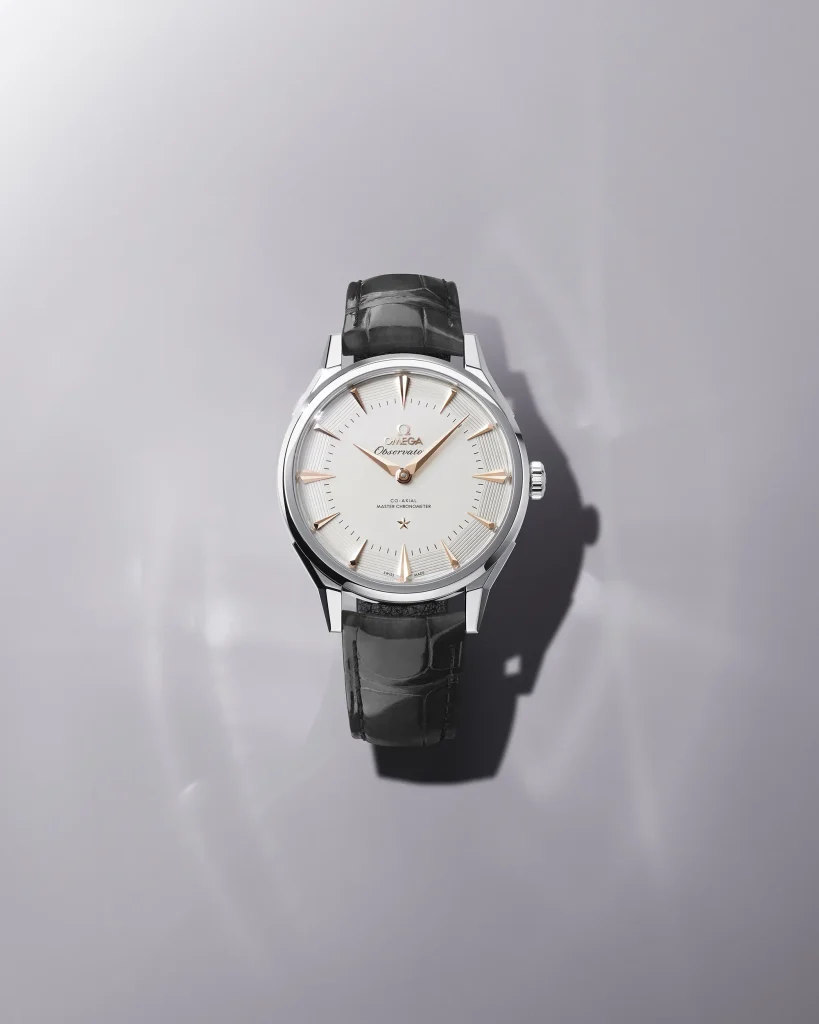
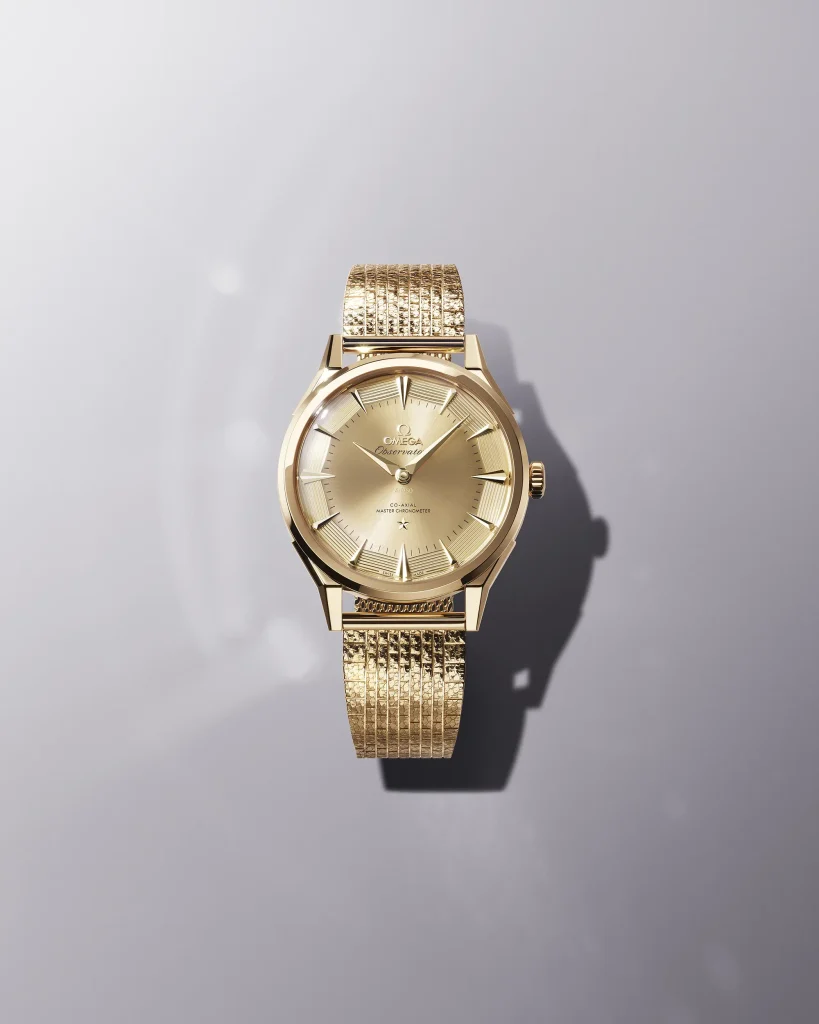
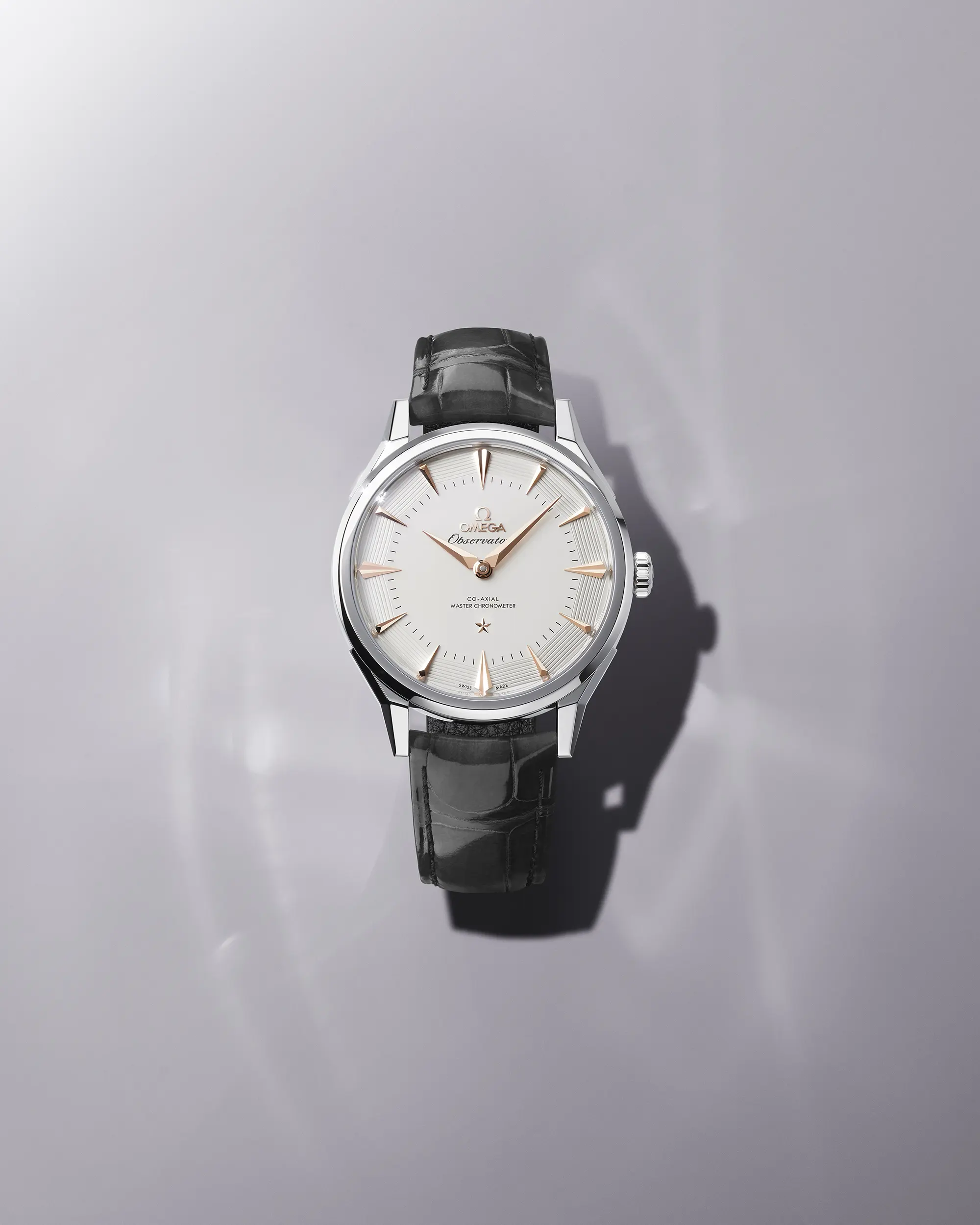
Right off the bat, the new Constellation Observatory captures the magic of the original design from the early 1950s (though its roots go back further still), boasting a pie-pan dial set with intricate applied hour markers, faceted dauphine hands, and a dog-leg lug affixed to the case. There is no date, and no seconds hands, leaving the dial to truly shine on its own accord. It’s a design that doesn’t directly reference any specific model, but rather one that combines the best of all worlds in a single amalgamation. The result is beautiful, offering a new view on an old design while retaining the vital DNA.
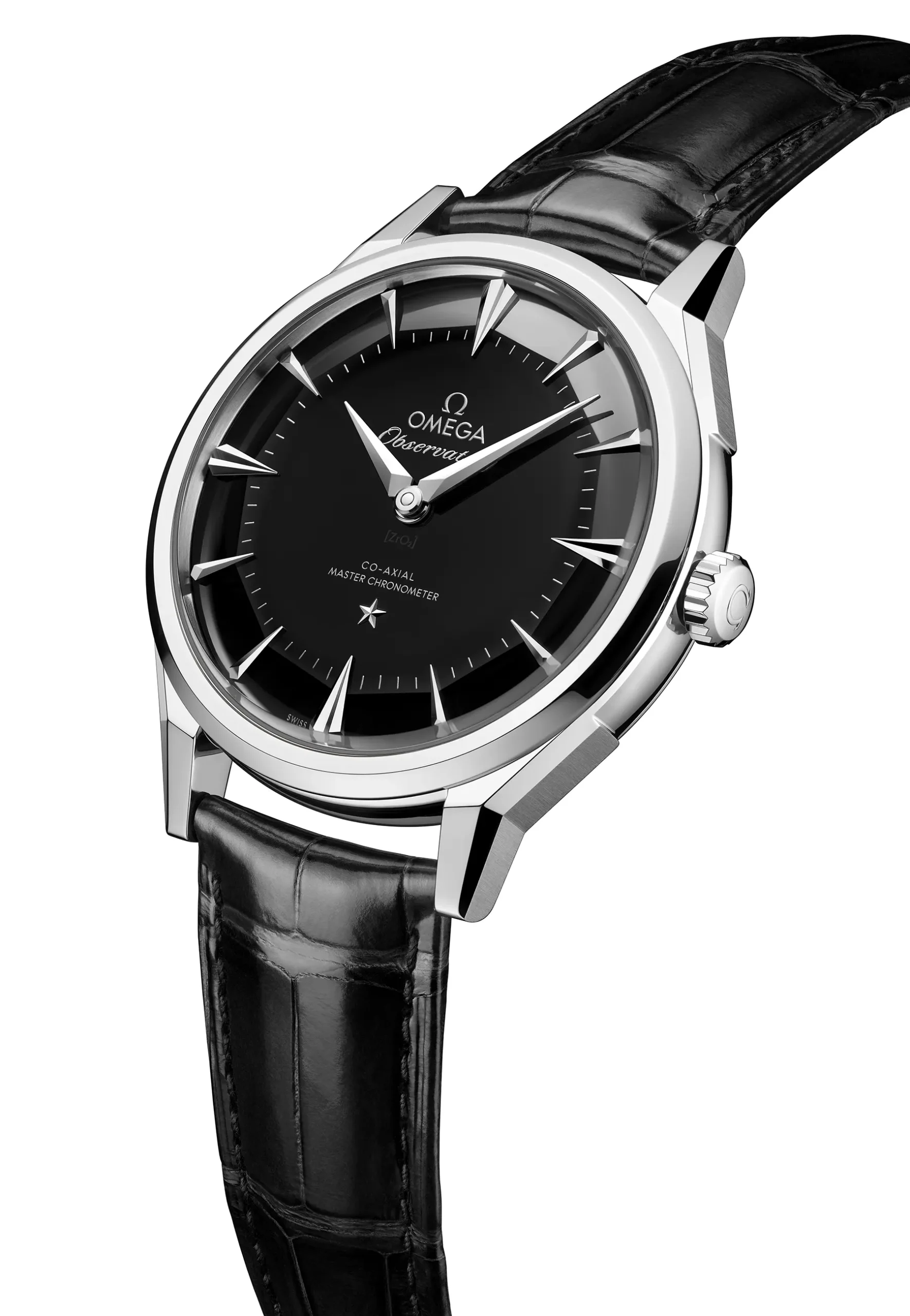
A big part of the old-school charm of the original Constellation, in addition to the design, are the wonderful proportions. Here, Omega opted to take a modern approach, moving to a 39.4mm diameter, and 12.2mm in thickness, with a 47mm lug to lug distance. Without context, those numbers may seem on the large side even for a modern formal watch, especially in thickness, and as I’ve said many times, a watch should never be reduced to those three numbers. The shape of the mid case and angle of the lug play a large role here, and the overall wearability seems to be quite strong with this watch. That said, the delicate nature of the design has been bludgeoned a bit, particularly with such a thick case, and more than anything, it feels like a missed opportunity from Omega.
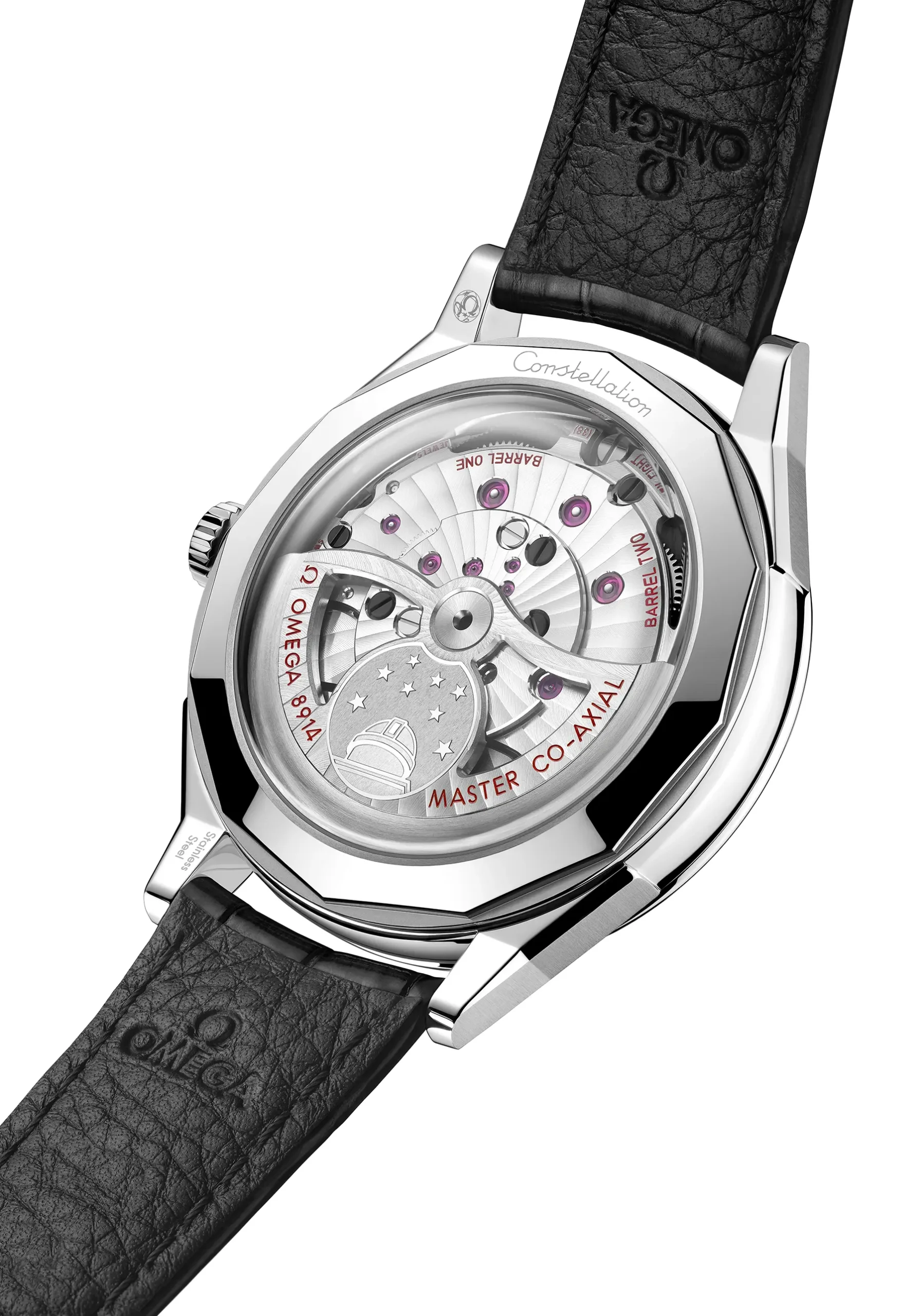
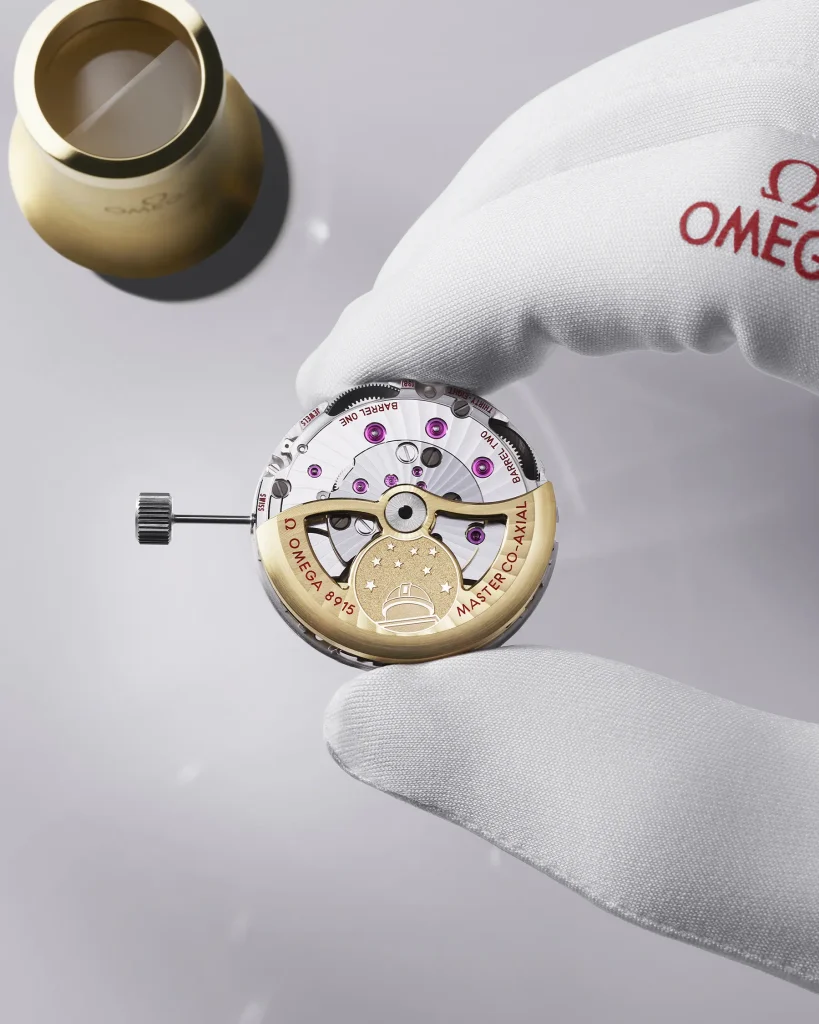
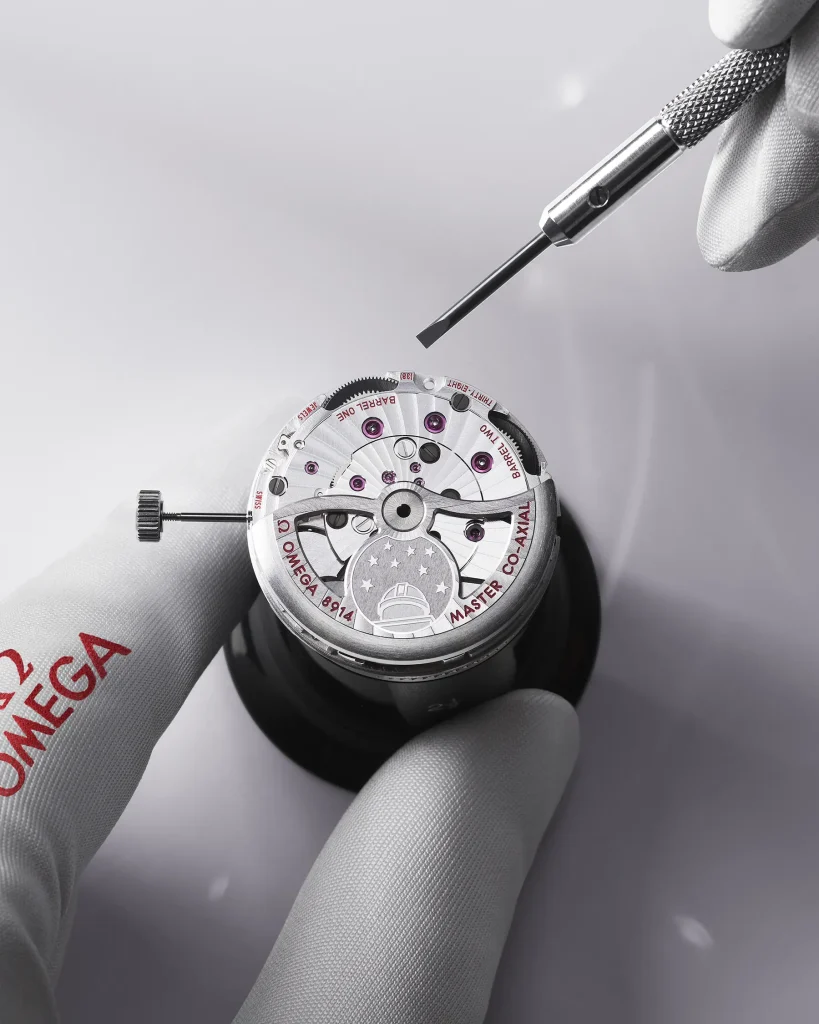
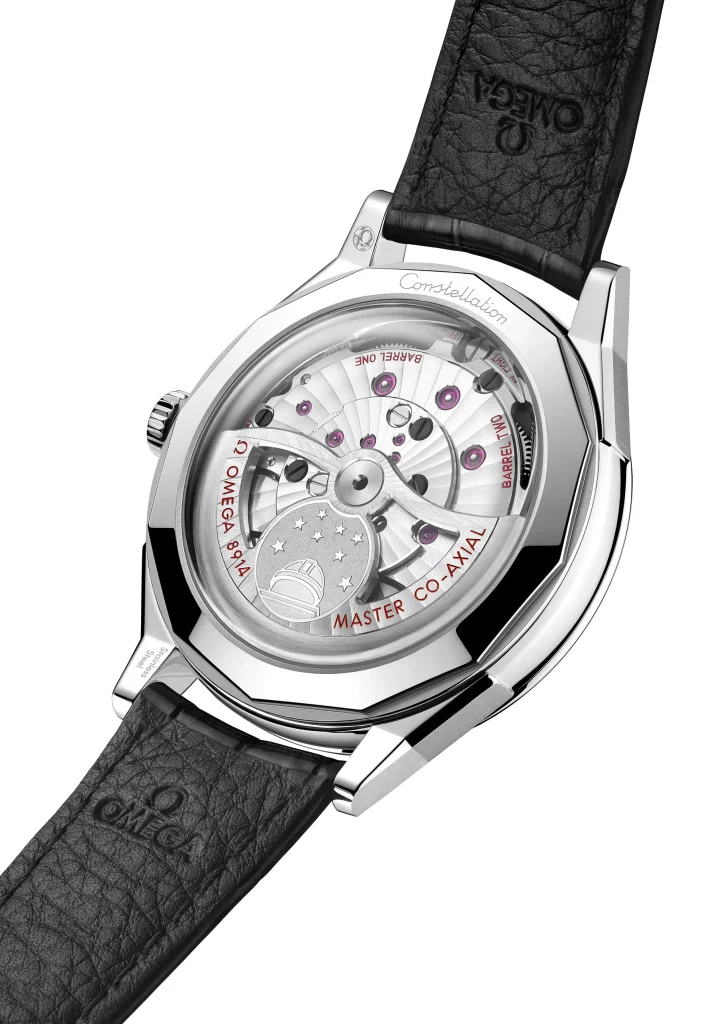
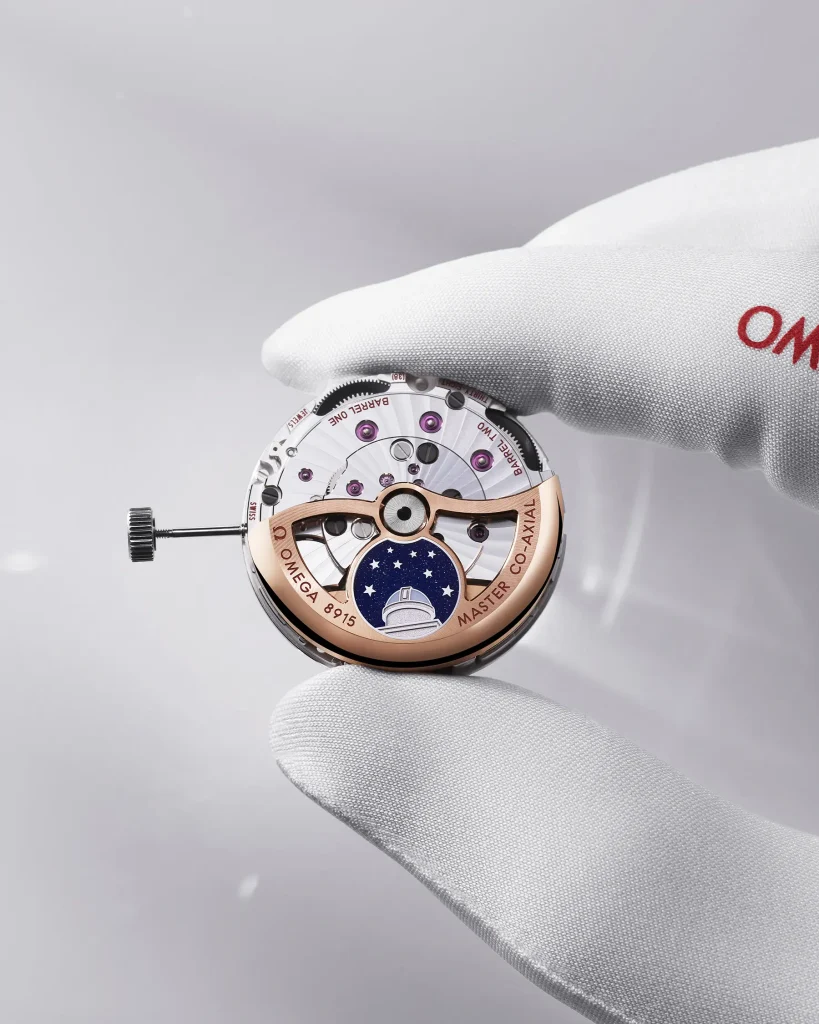
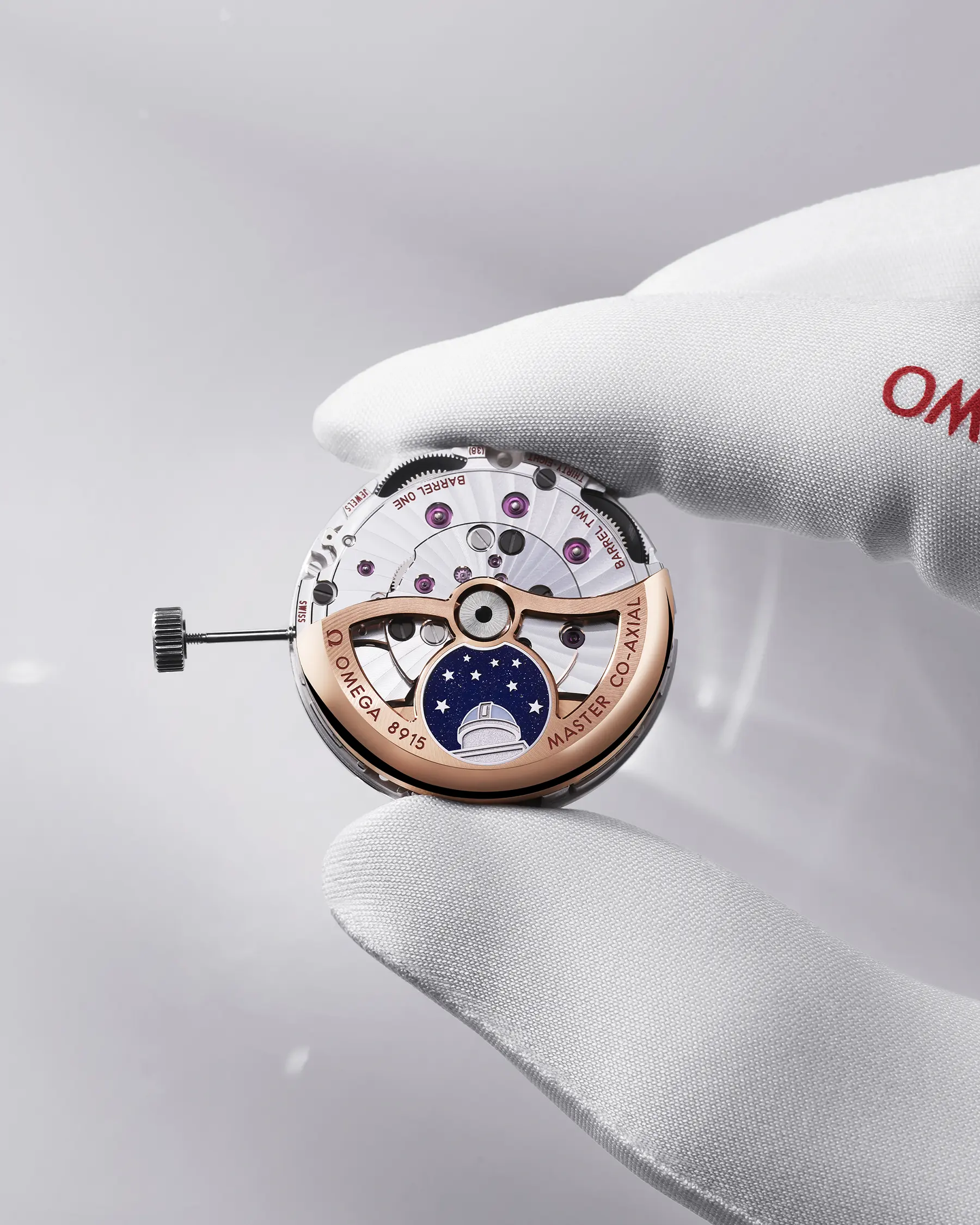
Omega is using two new calibers with these watches, the 8915 in the precious metal cases, and the 8914 in the O-megasteel cases. The differences are cosmetic in nature, and yes they are visible through an expansive exhibition caseback. This movement is fit edge to edge within the case, and is the likely culprit responsible for the dimensions. However, as a time-only caliber without even a seconds hand, the reason for its size is slightly perplexing. It is automatic, and it gets 60 hours of reserve, and is regulated by a co-axial escapement.
With these watches, we find a new chronometry testing method developed by Omega’s independent Laboratoire de Précision, which relies on acoustics rather than imaging, as there is no seconds hand to image. Continuous testing (listening) over the course of 25 days can “isolate frequency irregularities, temperature and pressure sensitivities, positional variation, and amplitude fluctuations.”

The net result is a watch that enjoys accuracy to within 0/+5 seconds per day. Of course, the irony here is that you won’t have a seconds hand by which to enjoy that accuracy, but when set properly you’ll have peace of mind, at the very least. The oscillating weight of each variation is set with the Observatory medallion, the very same you’d find on the caseback of vintage references, from which the watch takes its name.
In total, this is a watch that carries forth the same ideals that birthed the watch over 70 years ago, and one that Omega has retained as a clear priority, which is the pursuit of accuracy. They have made a number of technical contributions in service to the purist in recent years, from their own independent (oxymoron?) testing apparatus’, to trick components within the movement itself, such as their Spirate system. It all forces the question of just how accurate does a mechanical movement need to be? Which is a slippery slope of reasoning, and ultimately requires a step back to ask ourselves why we enjoy mechanical watches in the first place (hint: it’s not because of their inherent accuracy).

The Constellation Observatory collection is launching with steel with green, blue, silver, and black ceramic dials; in Moonshine gold on strap or woven bracelet; in Canopus gold; and finally in platinum. Pricing for the steel references starts at $10,900, with precious metal references priced from $44,000. Omega