

The Freak takes a big step in its evolution this week with the release of what is aptly named the Super Freak, and it’s not only the most dramatic Freak to ever be conceived, it’s the most complex time-only watch ever created. I’m not sure how to feel about that label, if I’m being honest, but the fact that Ulysse Nardin found a way to pack two tourbillons, a gimbal system, a vertical differential, and over 500 components into a watch that provides only the hours, minutes, and seconds is certainly impressive. It certainly isn’t the most efficient way to go about a time-only affair, but it just might be the most fun.
Stepping back, there was a time not long ago when I viewed the Ulysse Nardin Freak with plenty of well earned respect, while lamenting the design that always felt somewhat stuck in the late ‘90s. In recent years, Ulysse Nardin has opened up the design and found a modern path forward without abandoning the core premise of the design, which is the element of movement. The modern Freak has taken on a number of forms, and feels well adapted to now start tackling a new generation of innovation, and this Super Freak is a huge step in that direction.
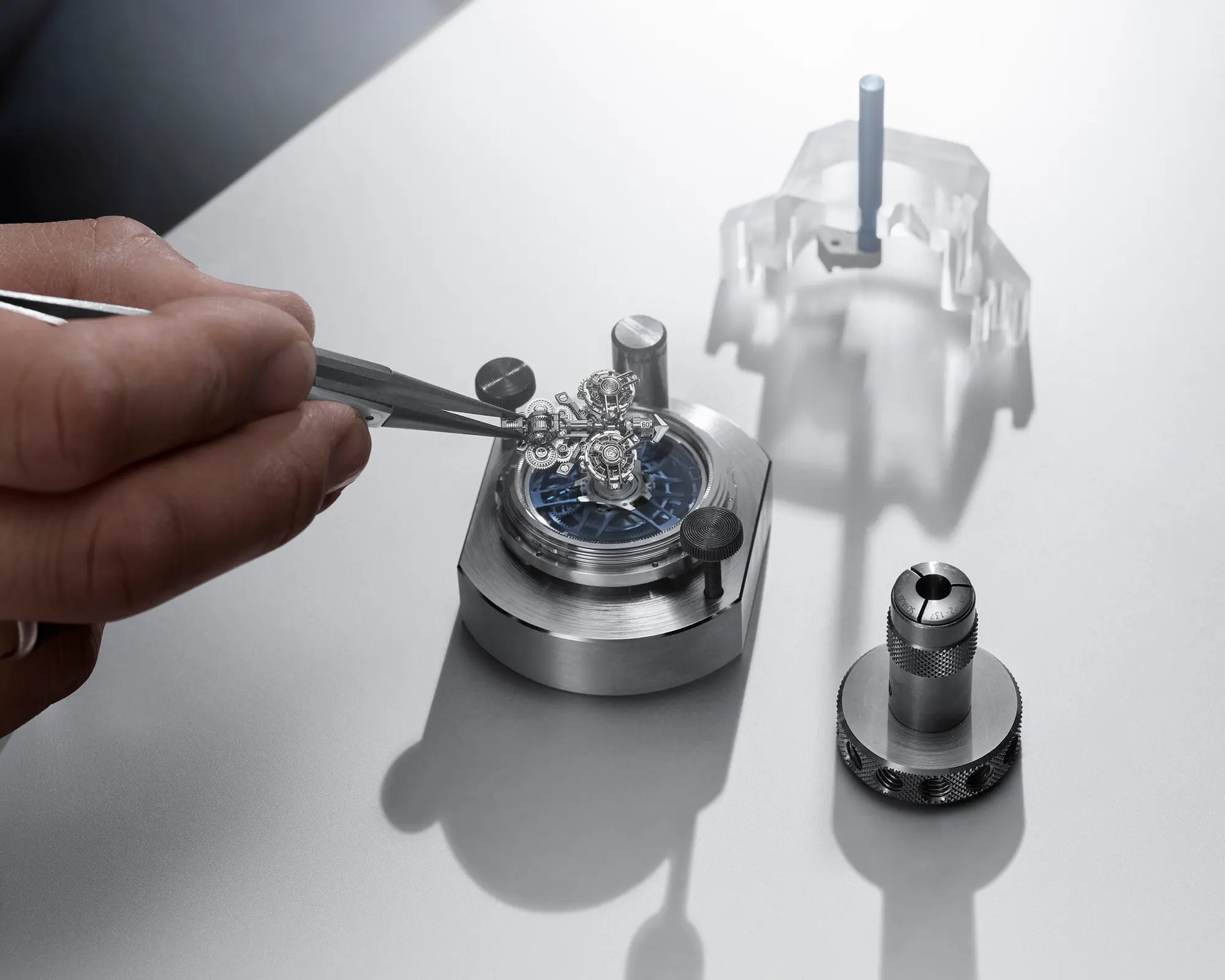
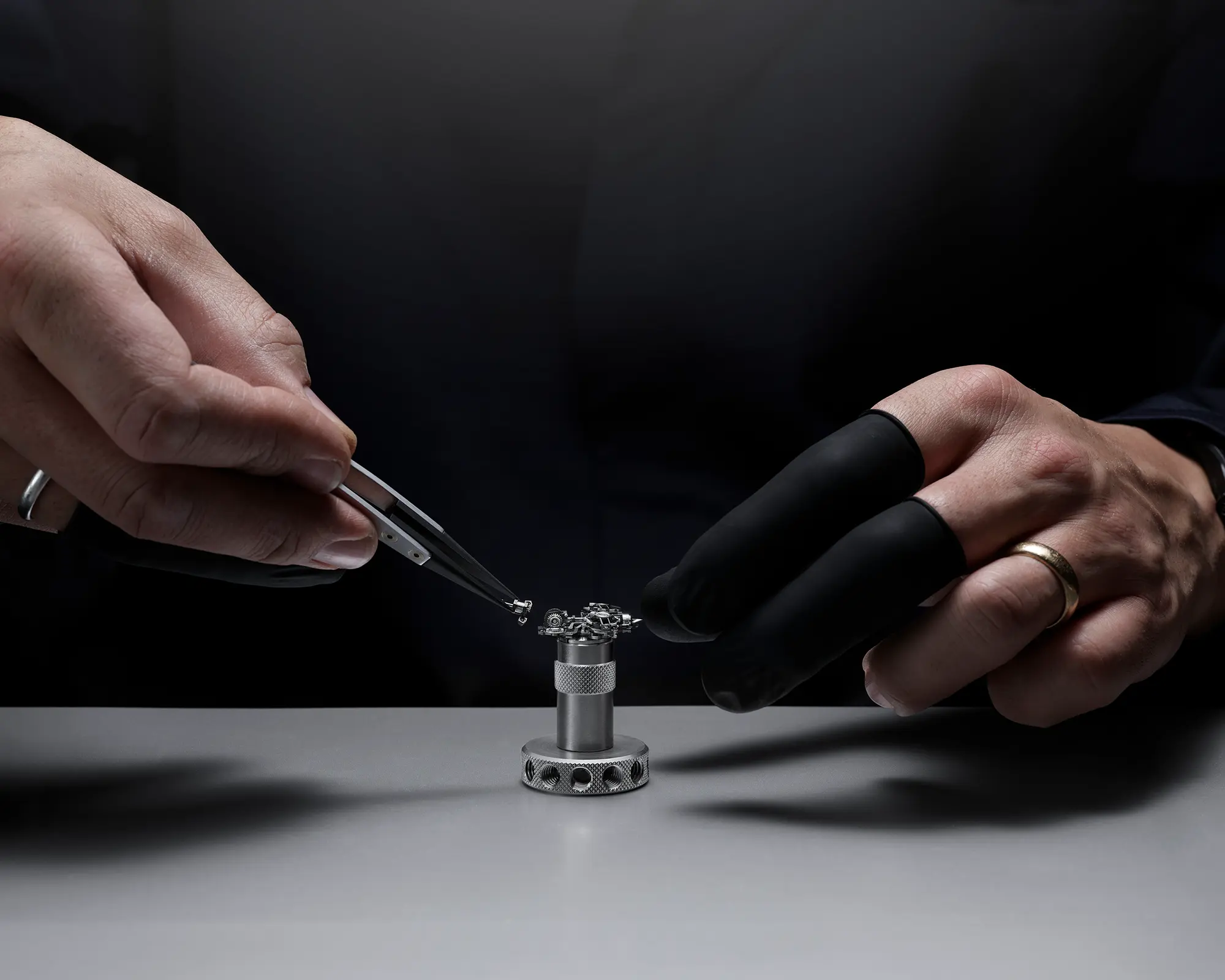
So what makes this Freak so super? Well, there’s something about using such a vastly overpowered tool to perform a simple job that it becomes captivating for that very reason. Your average time-only caliber uses around 150 parts, usually less. The Super Freak uses 511 to do the same job, just with a bit more style. Your average watch doesn’t mount most of the going train and regulating organ to the minute hand, but that is what the Super Freak does.
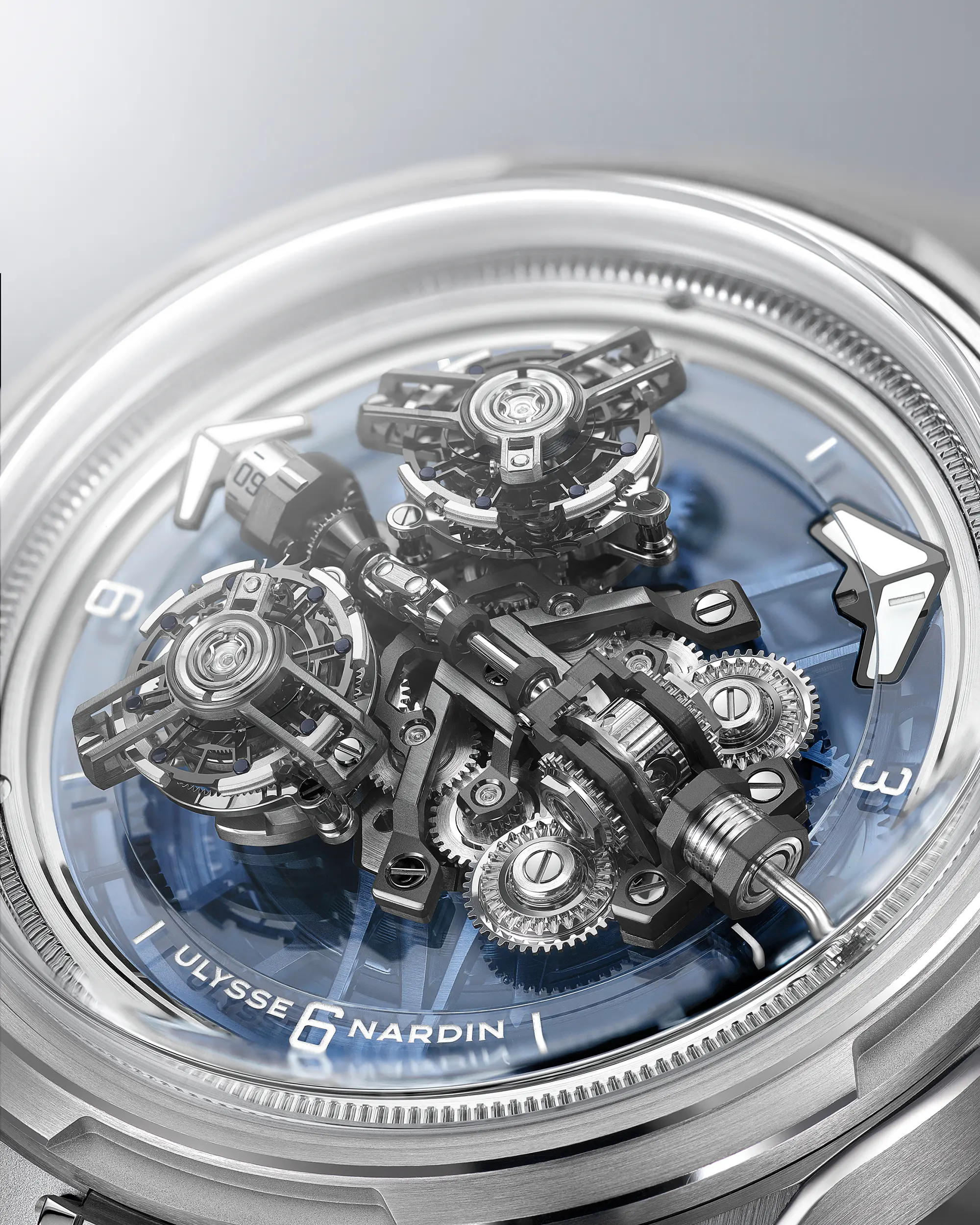
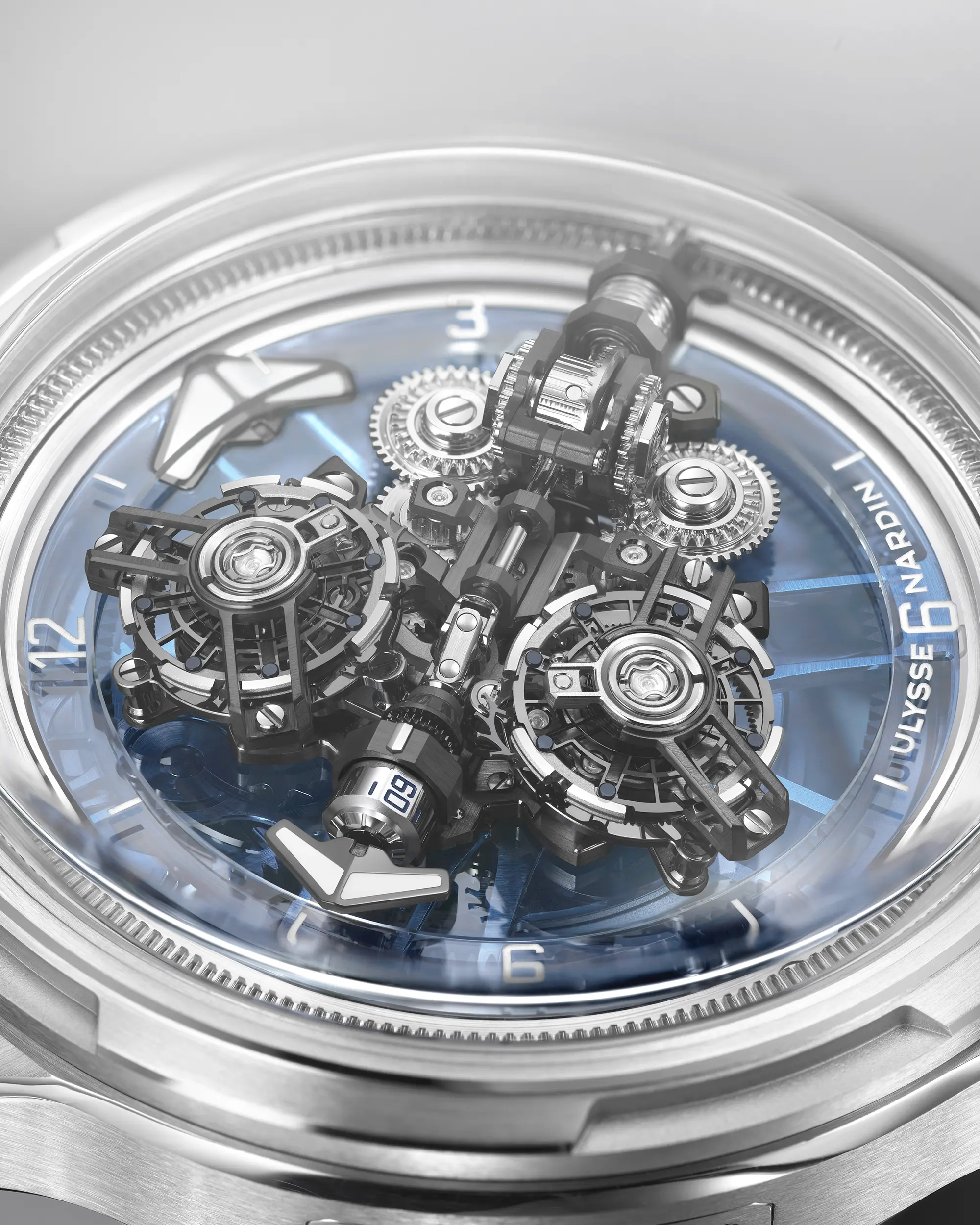
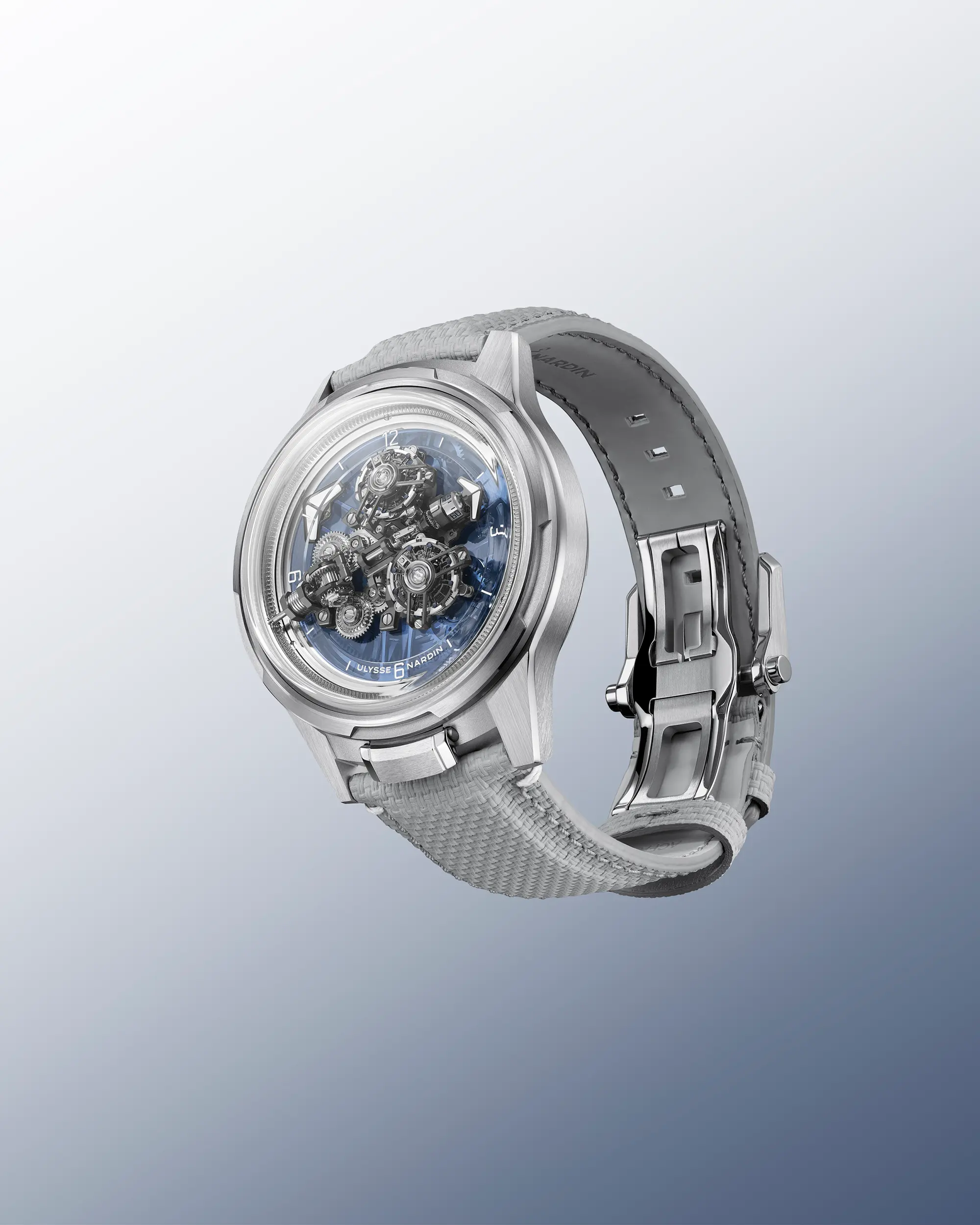
There’s a lot going on here at a glance, so let’s break down the vital components. First, and more prominent are a pair of tourbillons sitting in titanium cages, each beating in opposing directions. Both use silicon balance wheels and DIAMonSIL escapements. They are mounted at an angle, meaning they don’t sit flush on the same plane, and since there are two of them, a vertical differential is needed to average out their rate. Ulysse Nardin developed a 5mm differential that uses 69 components, including eight ceramic ball bearings. The brand claims that this is the world’s smallest differential.
Power routed through this differential is sent through a gimbal system that had to be developed because the seconds are displayed on a decentered axis. That gimbal is composed of just 11 pieces and measures 4.8mm, and it allows the seconds display cylinder to rotate at the end of the structure. That structure, by the way, also serves as the minute hand, as it makes a full rotation each 60 minutes.
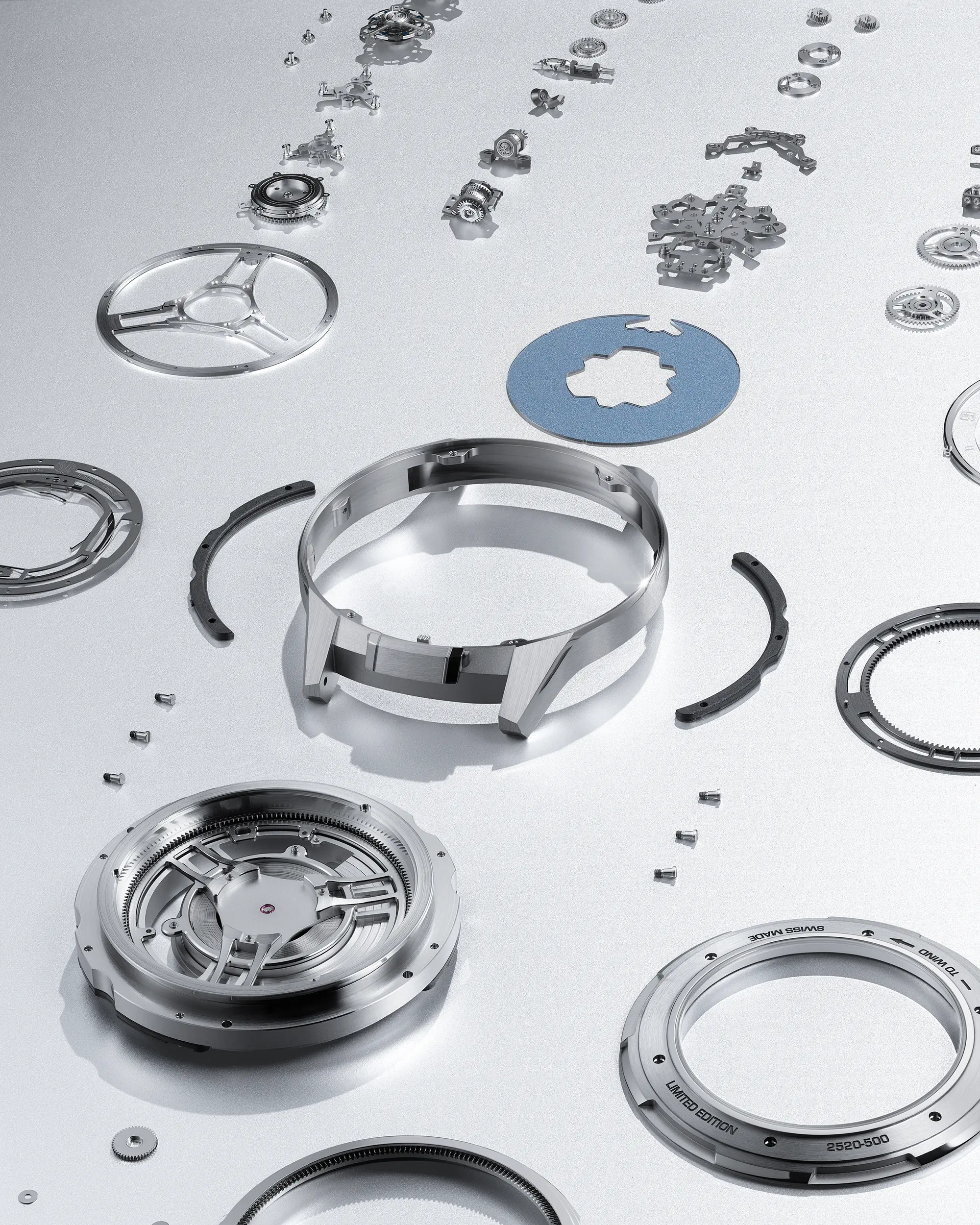
The Super Freak doesn’t use a crown, as winding and setting is handled through the bezel as the ‘Grinder’ system makes a return. There is an oscillating weight as well, making this the world’s first automatic double tourbillon watch. The case itself measures 44mm in diameter, and Ulysse Nardin provides a measurement I’ve never seen before, which is ‘perceived height’ listed at 12.2mm, though the actual thickness is 16.5mm.
Side note: I’m not sure how that perceived height is calculated with such precision, but I’m curious about the methodology and how it might be applied on other watches.
This is a lot of watch. I generally am more impressed with technical innovations that increase efficiency, such as ochs und junior developing a perpetual calendar complication with just 9 additional parts added to the movement. The Super Freak is maximalist in every way, and seems content to emphasize horological prowess and manufacturing capabilities over the mere practicality of telling the time. Truthfully, the same could be said of many watches, so that’s a slippery slope to head down. At the end of the day, Ulysse Nardin continues to flex their innovative spirit with watches like this, and for that, I applaud them.
The Super Freak will be limited to 50 units, and is priced at $393,600. Ulysse Nardin