

The 94th running of the 24 hours of Le Mans is upon us, and with it Autodromo is releasing a new generation of the venerable Group C as a welcome celebration of what may have been the golden era of endurance racing. The first Group C (the watch) was introduced in 2023, sporting a full digital experience set within a retro styled case meant to evoke a similar vibe to the cars that raced under the regulation set while it existed from 1982 to 1993. The newest generation of the watch is called the Group C Turbo Sport, and it introduces a new design that pairs a digital readout with an analog dial. In doing so, it walks the same line that cutting edge race cars had to walk in the transition from analog to digital.
Like the current LMh and LMDh prototype race cars that sit at the apex of endurance racing today, Group C cars enjoyed a flexible ruleset that was largely defined by fuel allocation and weight limits. Pretty much any engine configuration was allowed (until the 3.5 liter naturally aspirated mandate went into effect in 1991, which would ultimately lead to the undoing of Group C altogether), and there was no BoP system to create an equal playing field. This was no holds barred racing and the machines it created were spectacular even by today’s standards. In fact, due to the high speeds being achieved on the Mulsanne straight (253mph by a prototype Peugeot in 1988), chicanes were added to the famous stretch prior to the 1990 race for safety.
While Porsche would dominate much of the ruleset with their 956 and 962 machines, competition from the likes of Jaguar and Sauber-Mercedes would catch up to them, with the XJR and C platforms respectively winning the World Sportscar Championship from 1988 onward. The anomaly during this period was the curious Mazda 787B, which would win the 1991 24 hours of Le Mans race (with more than a smidge of luck). Neither the Mazda nor the Jaguar used turbocharged engines, and both are modern icons of the era today.
All that to say, the use of the word Turbo in the naming convention of a watch that’s called the Group C could be viewed as misleading. Still, it’s a worthy celebration of the class and the cars that came with it, and in the broader picture, seven of the twelve seasons were won by turbocharged engines.
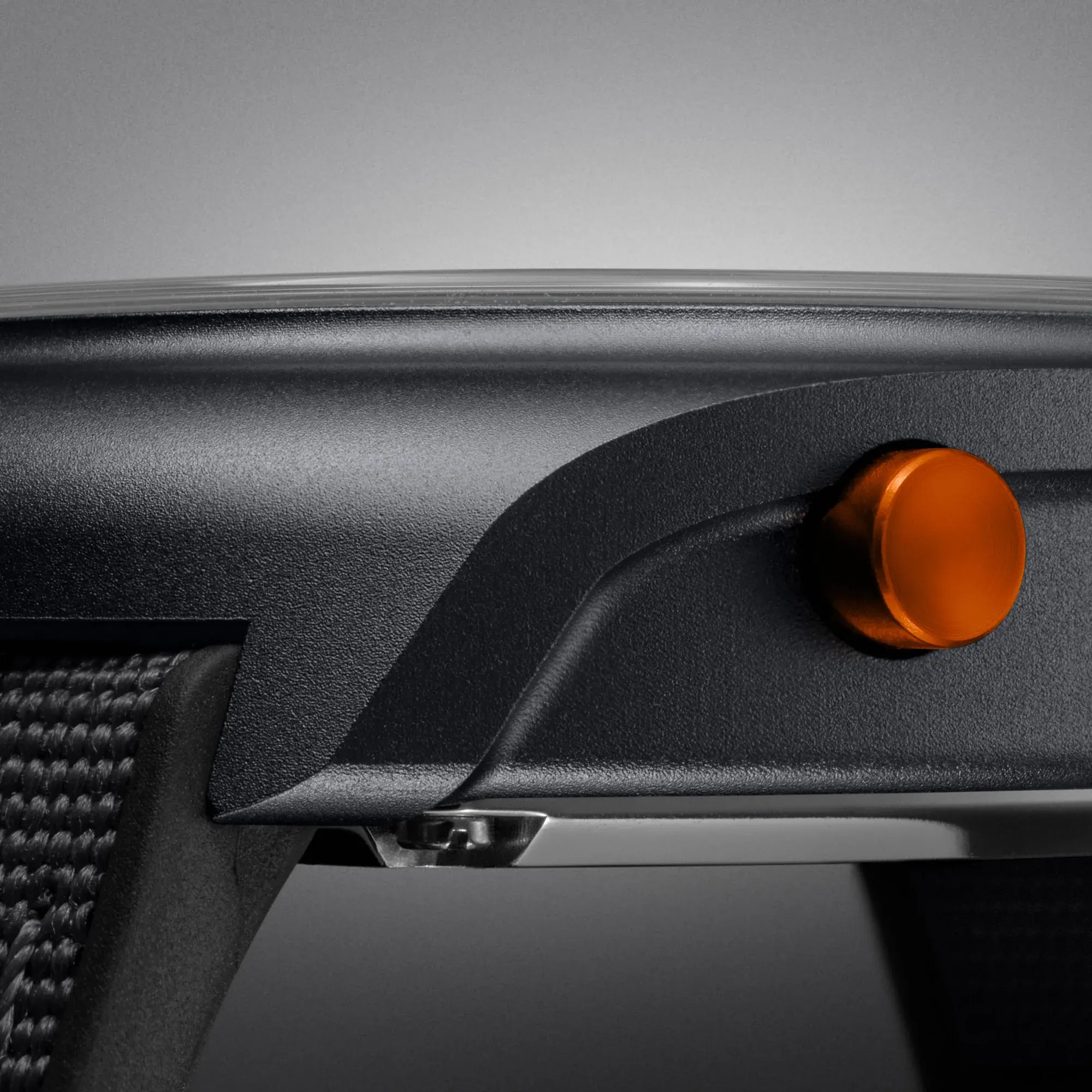
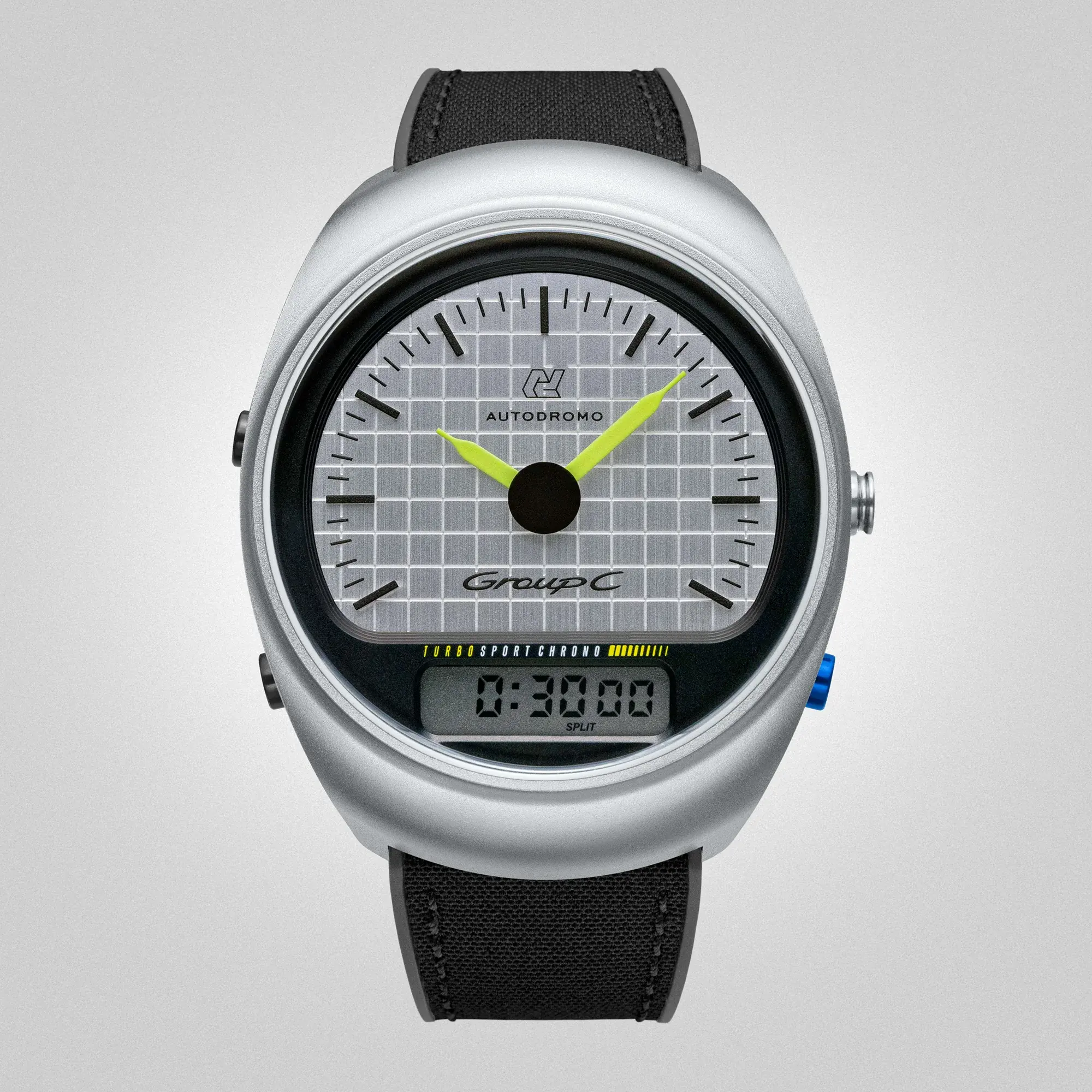
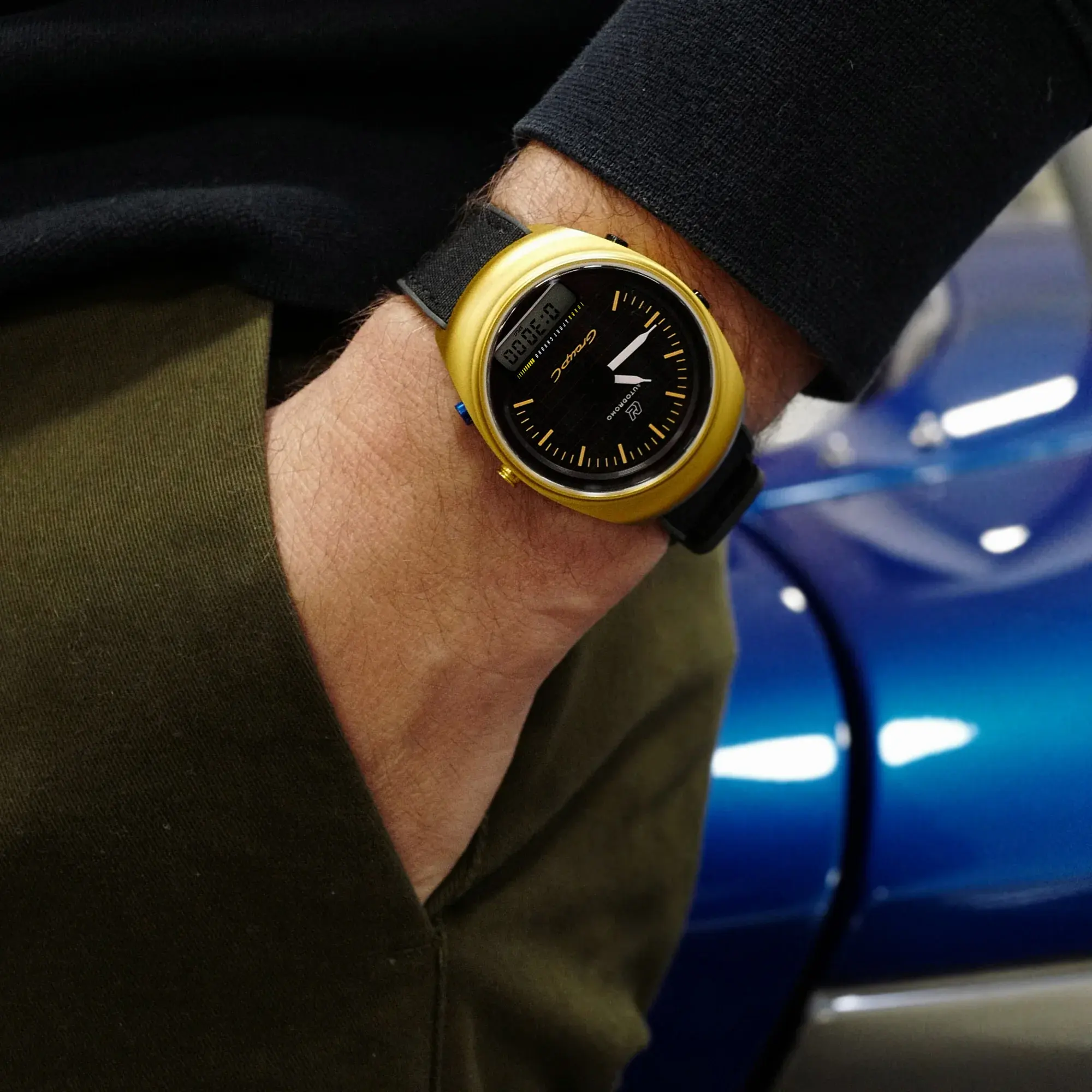
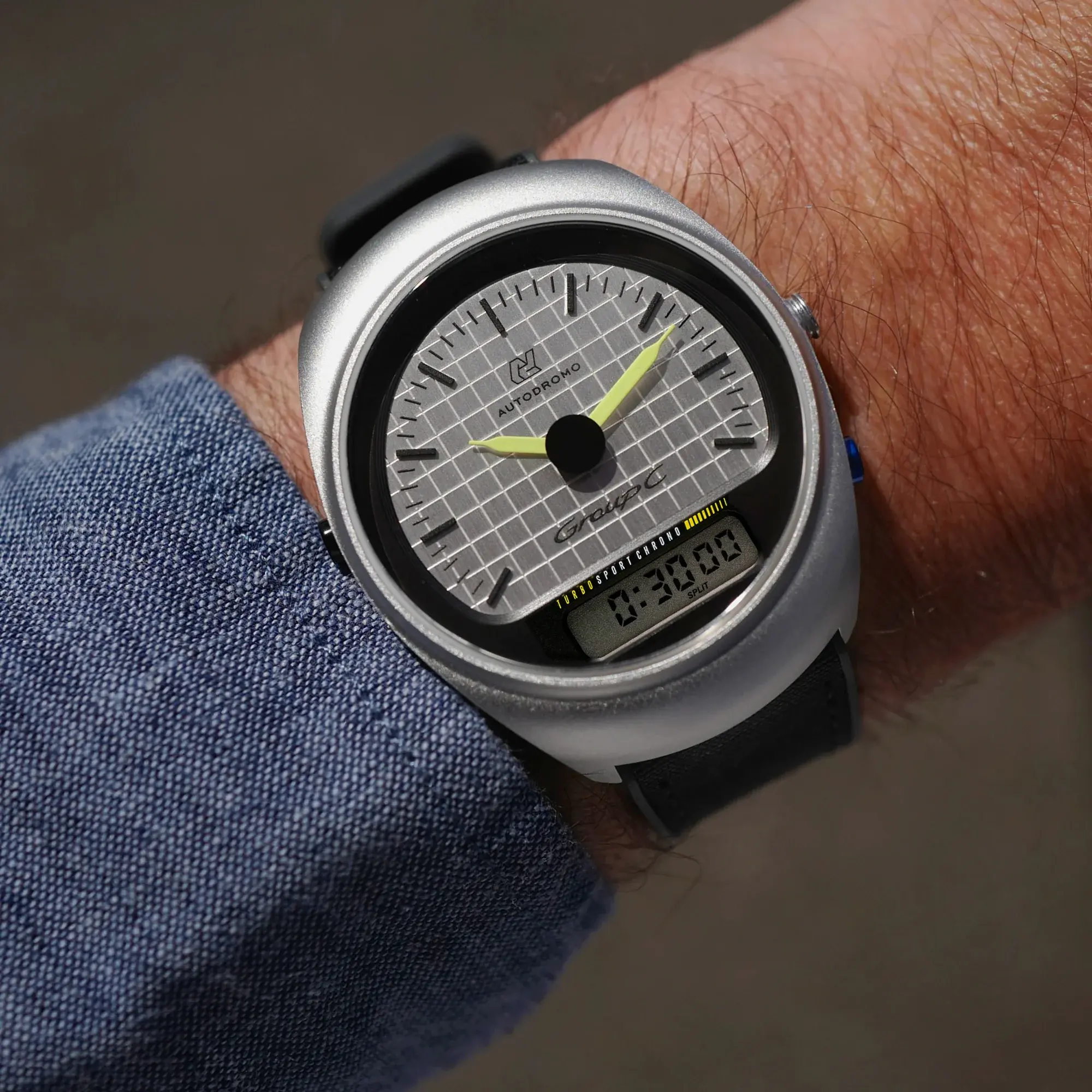
Excessive pedantry aside, the new Group C Turbo Sport Chronograph is classic Autodromo in terms of design language and case structure. The anodized aluminum case is cushion shaped in nature, with a bulbous hooded lug area, keeping the 38.5mm diameter nice and clean. The case has a total length of 40mm, and a thickness of 11.4mm, meaning this should be very easy going on the wrist.

As interesting as the case is, the dial carries an equal amount of intrigue thanks to two segments set against one another. The top half of the dial is dominated by a gridded dial with gauge-like hour and minute indexes that pick up between eight o’clock and four o’clock. Syringe style hands read off the minutes and hours, while anything more granular will rely on the digital screen that sits at the bottom portion of the dial.

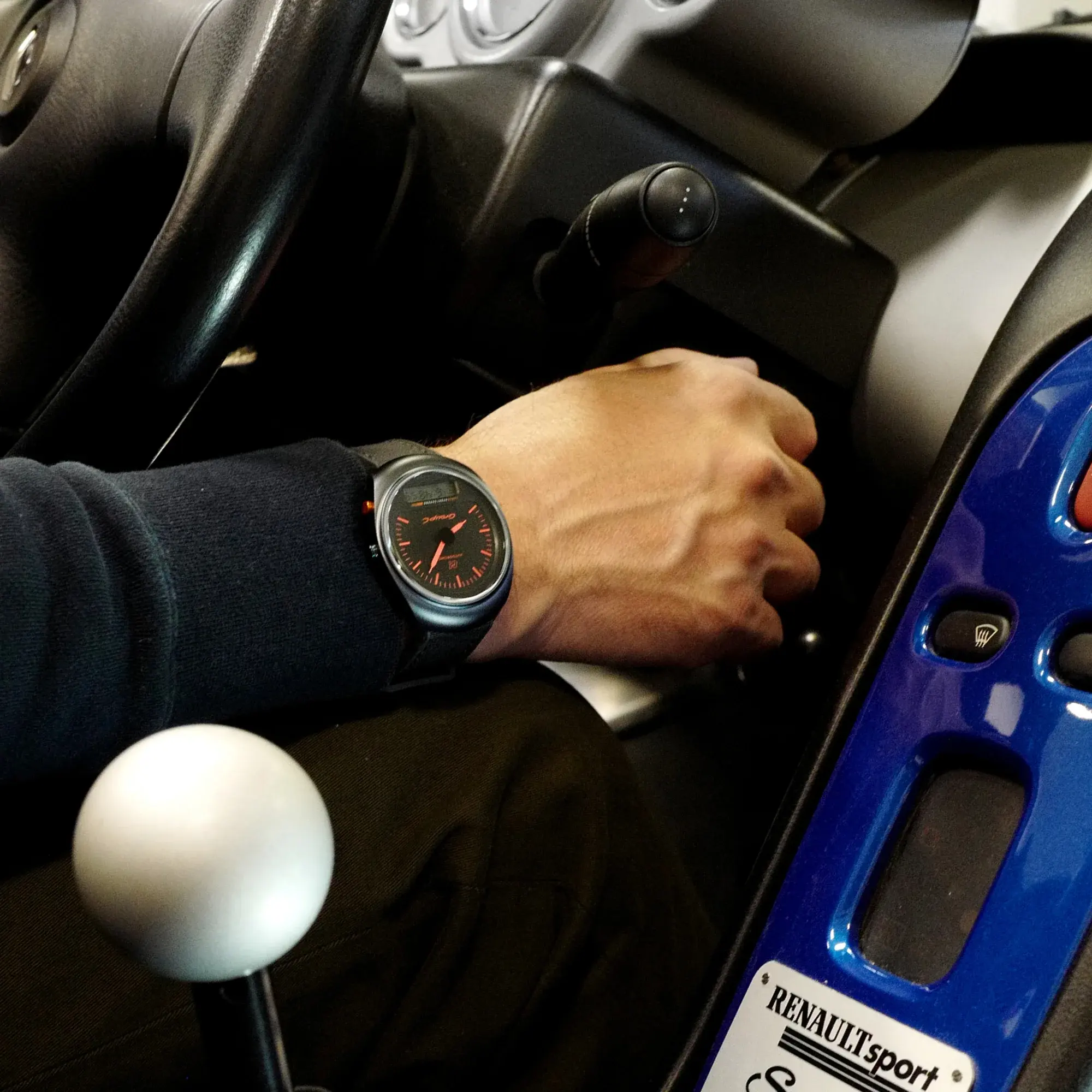
The case houses two modules to power each of the displays, and each will require their own battery. That digital screen supplies the chronograph, dual time zone, and alarm complications, and it can be lit with the press of a button. Taken with the analog dial above it, the digital screen will provide a tidy bit of practicality depending on how you choose to use it, which is kind of the fun part of the ana-digi experience.
The Group C Turbo Sport Chronograph is priced at $450, and this will hopefully be just the first step for the collection. Perhaps a nightstage style edition will make an appearance, as well as a Cerakote option or two. Autodromo
Leave a Reply