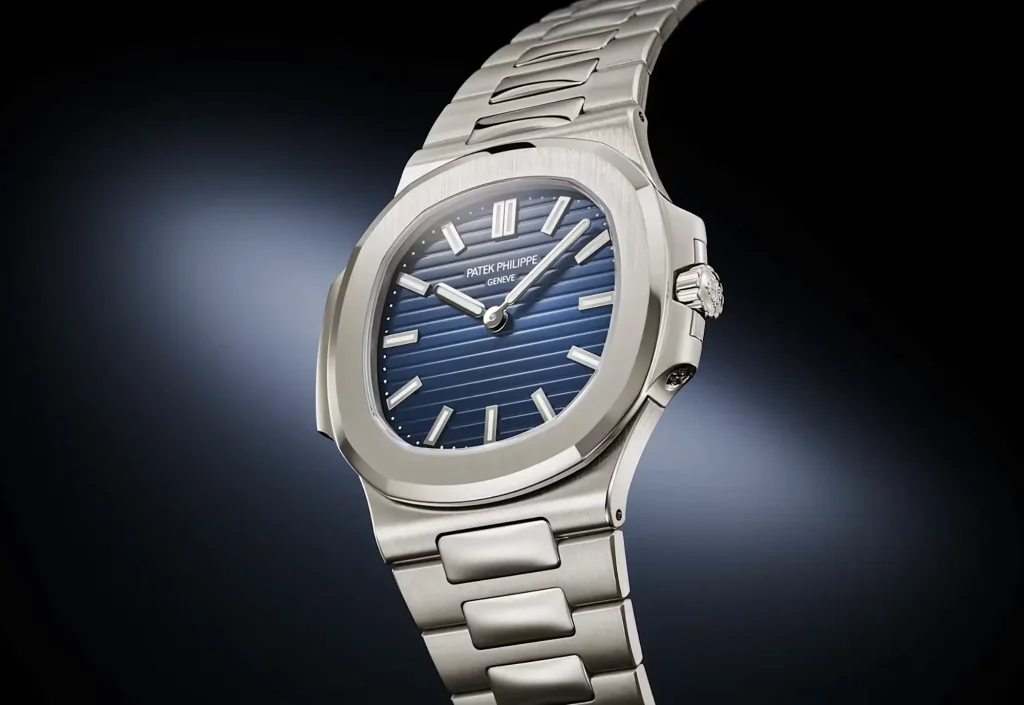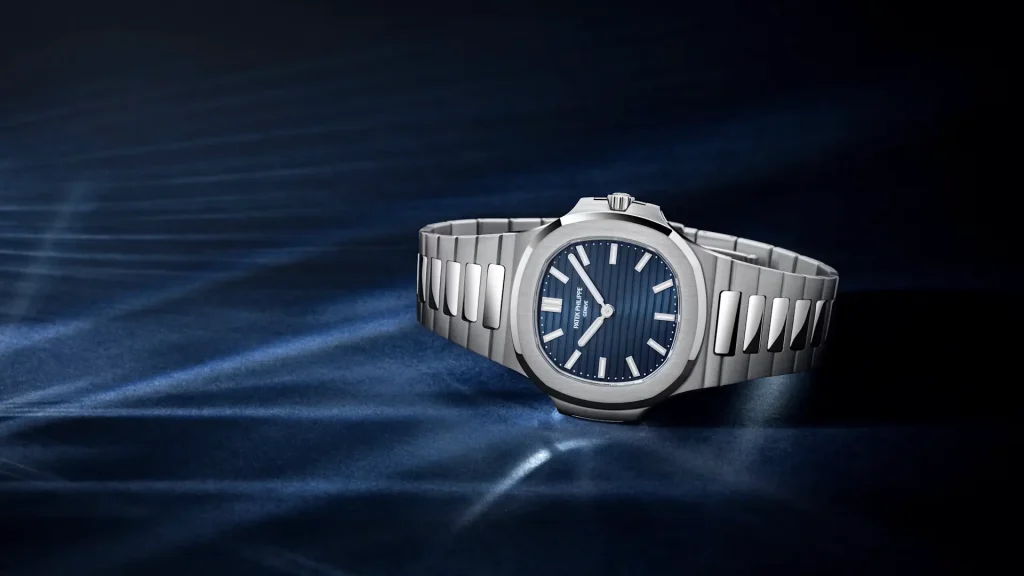

Patek Philippe is taking a different approach to celebrating the Nautilus’ 50th anniversary this year, revealing a trio of watches and a single desk clock that look to capture the original magic of the design. Rather than the overt approach taken ten years ago, this time around we get more of a distillation of the Nautilus, and the results are a celebration of the famous watch’s best traits. As a whole, these anniversary models aren’t reissues of any specific references, instead they serve as a vision of the conceptual framework that would define the Nautilus from the late 70s and into the early 80s.
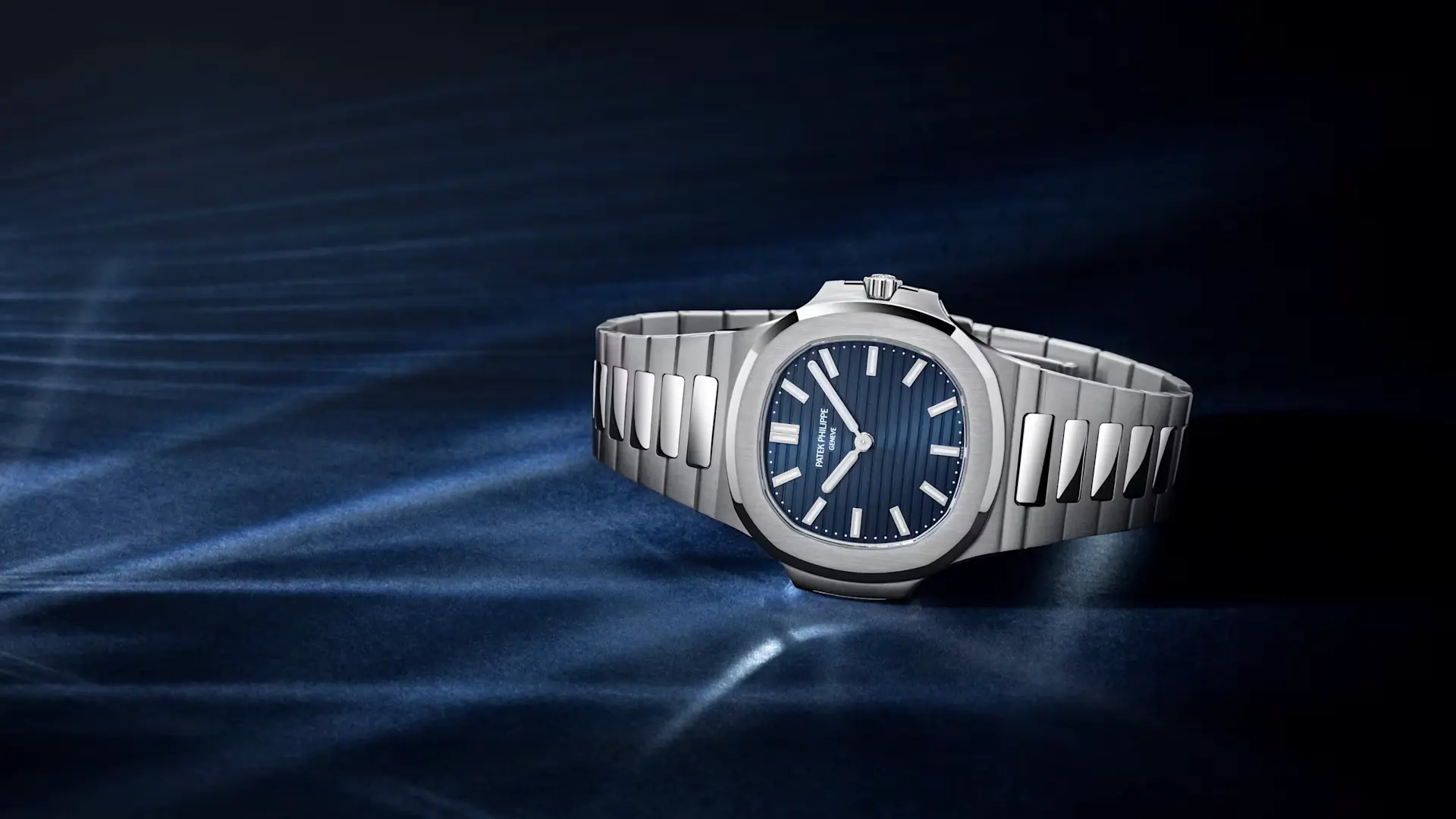
Ten years ago, Patek Philippe marked the 40th anniversary of the Nautilus with a special reference 5711 in platinum, bearing the number “40” and the dates “1976 – 2016” right on the dial under the hand stack. As far as anniversaries go, this execution was rather on the nose. This came just as the underlying interest in the watch was beginning to swell, hitting a tipping point as hype culture hit its apex during the COVD pandemic. Not wanting a steel sport watch to become the defining face of the brand, Patek Philippe officially discontinued the 5711 in 2021 (additional special editions notwithstanding), and moved to a new precious metals only generation with the 5811 a year later.
These days, discussing the Nautilus is a quick way to elicit a few eye rolls among enthusiasts thanks to its role in propelling the hype cycle that turned watches into speculative assets for a brief window. You could also argue that its popularity, along with that of the Royal Oak, also spurred the modern integrated bracelet trend. It’s easy to be cynical about watches like the Nautilus, but moving past all that nonsense reveals a watch with an interesting story to tell and a truly compelling presence on the wrist. With the 50th anniversary upon us, Patek Philippe is wisely reframing the Nautilus to highlight that story, and that architecture.
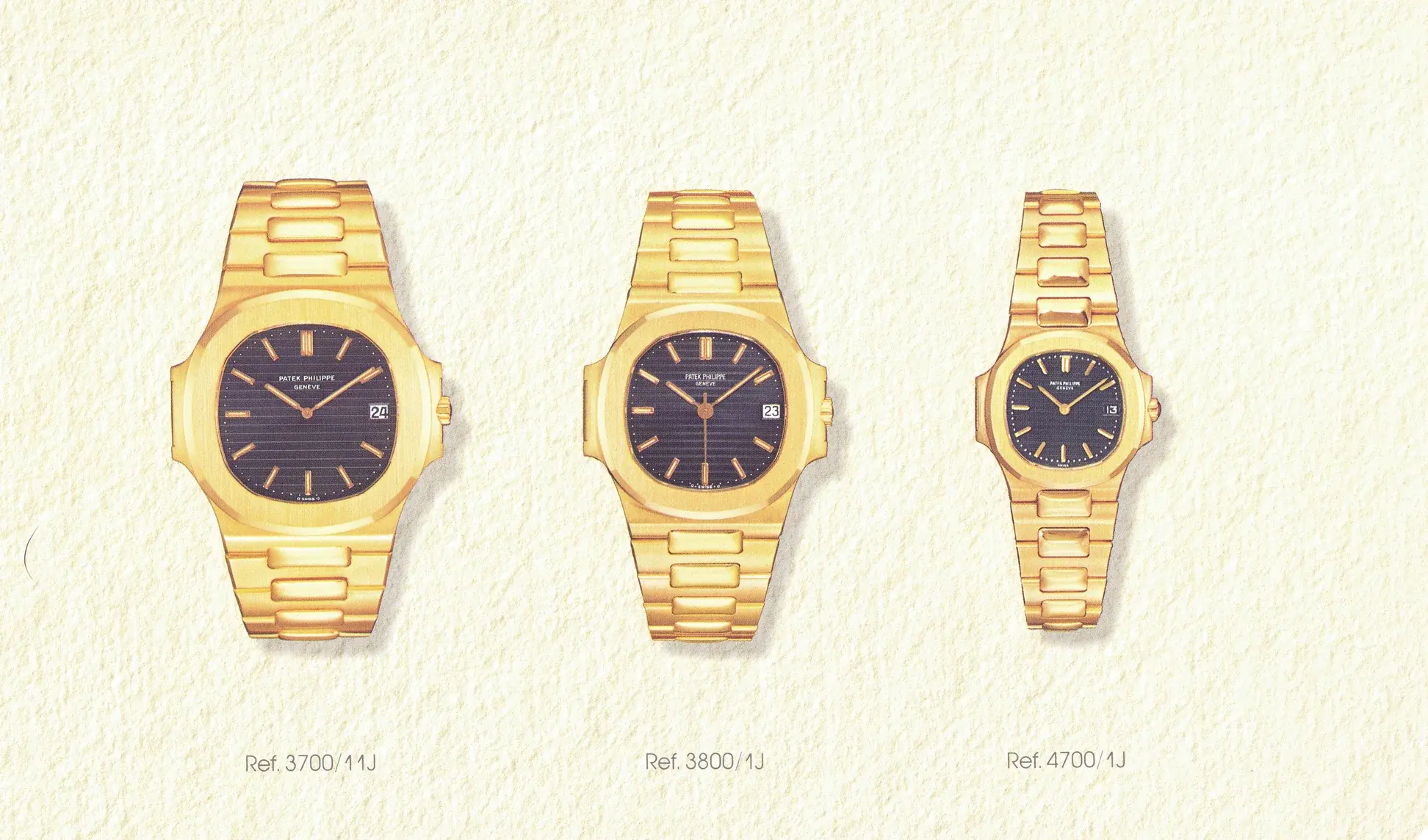
With this anniversary, Patek Philippe highlights two of the most important references in the Nautilus’ history: the 3700 ‘Jumbo’ from 1976 and the midsized 3800 that came in 1981. The 3700 represents Gerald Genta’s original design, which was quite large for the era at 42mm as measured from ear to ear (about 40mm as practically measured), though exceptionally thin at 7.5mm in height. The large, flat watch wasn’t entirely well received in 1976, appearing at odds with many of the trends of the day, and didn’t exactly complement the rest of Patek Philippe’s catalog at the time.
Though not initially well received, the design persevered thanks to Patek’s commitment to the idea of a premium sport watch. It was a bit like the Royal Oak in that regard, which was released in 1972 to relative confusion. By 1976, with the introduction of the Nautilus (as well as the another integrated bracelet design from Genta, the Ingenieur), a clearer picture was beginning to emerge, and obviously take root as it connected with buyers.
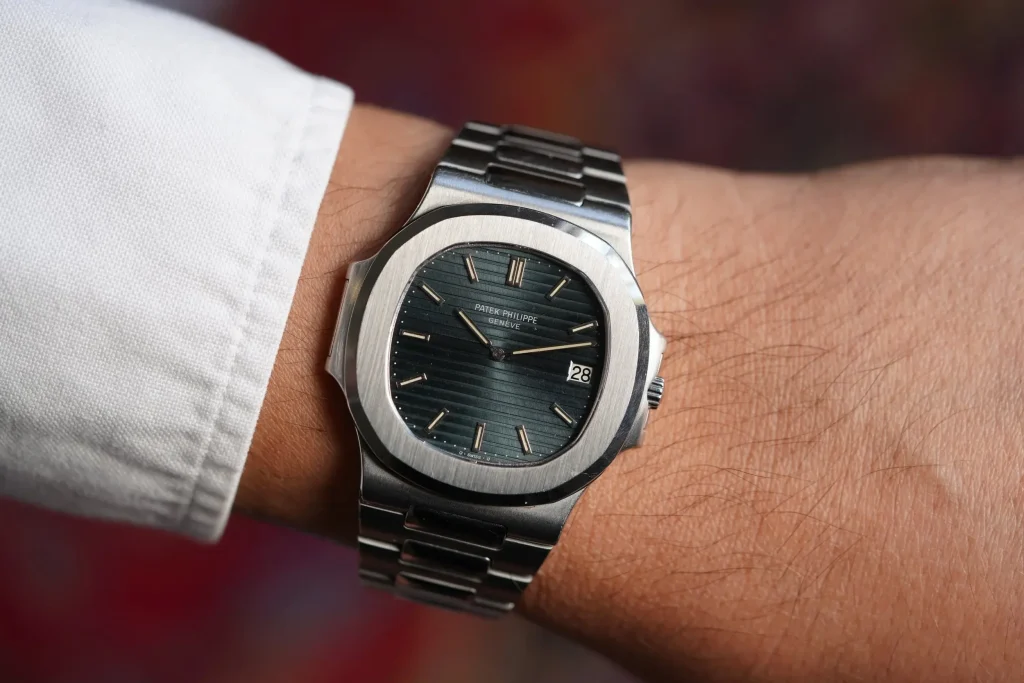
A big part of finding those buyers was the brand’s ability to quickly evolve without compromising the core identity of the watch. In 1981, Patek Philippe revealed a smaller expression of the design in the reference 3800, as well as a much smaller quartz powered reference 4700 marketed toward women. These two references brought a different market of buyers into play, and arguably secured the future of the collection in the process. Ironically, the 3800 is often viewed as the sleeper hit of the Nautilus collection by collectors today, with prices that hover around $65,000, compared to the original Jumbo, which will cost about double that to get into.
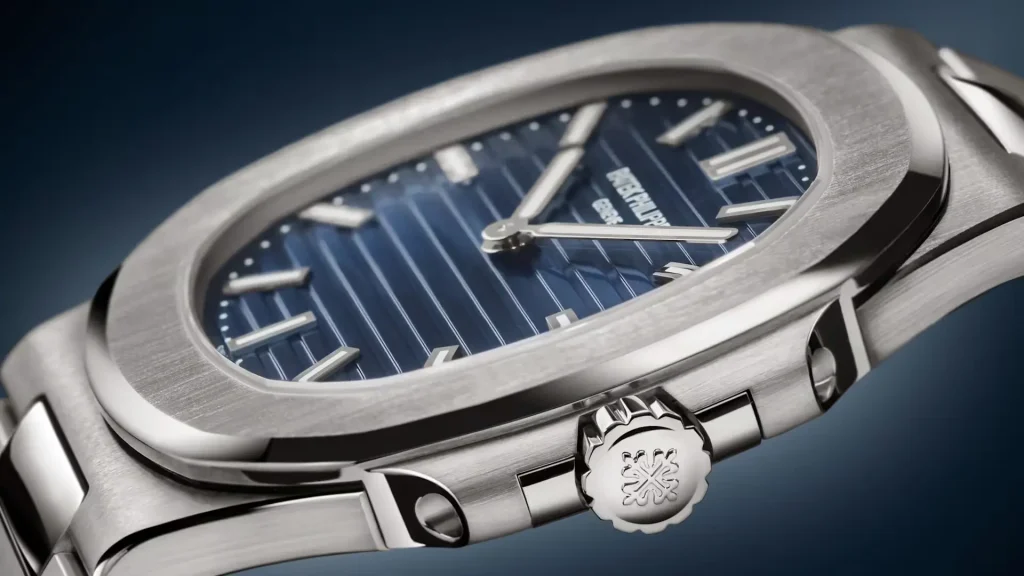
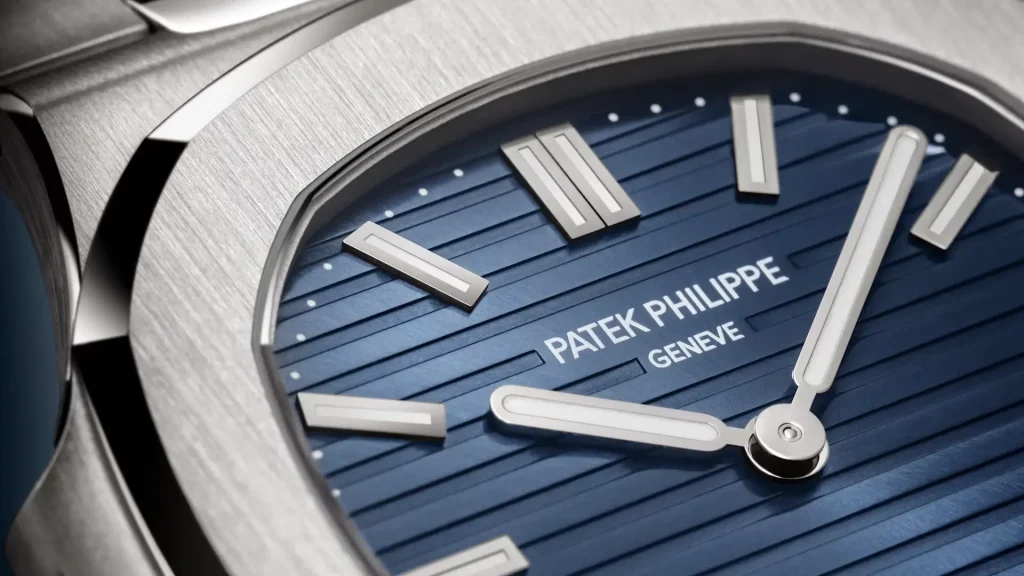
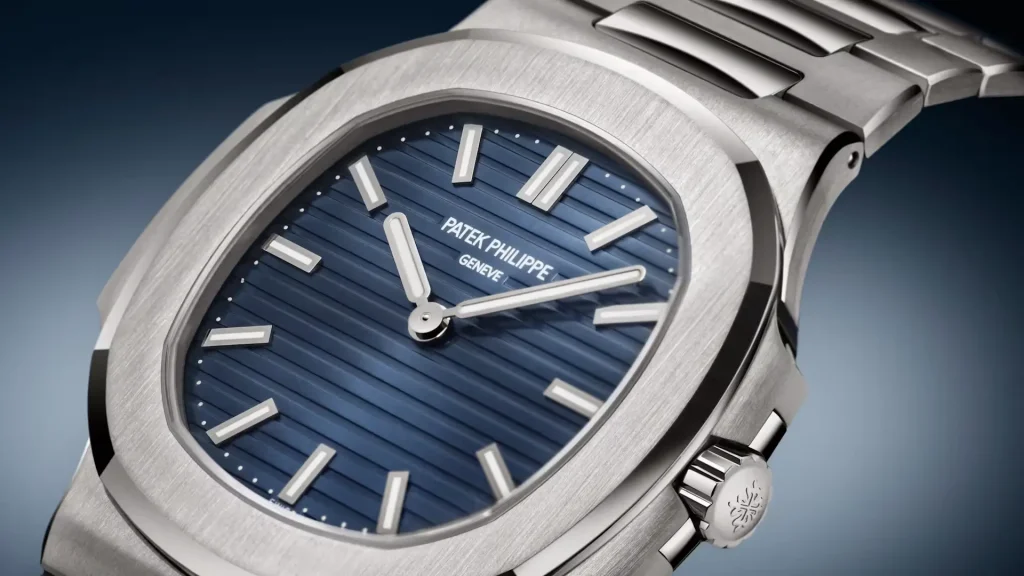
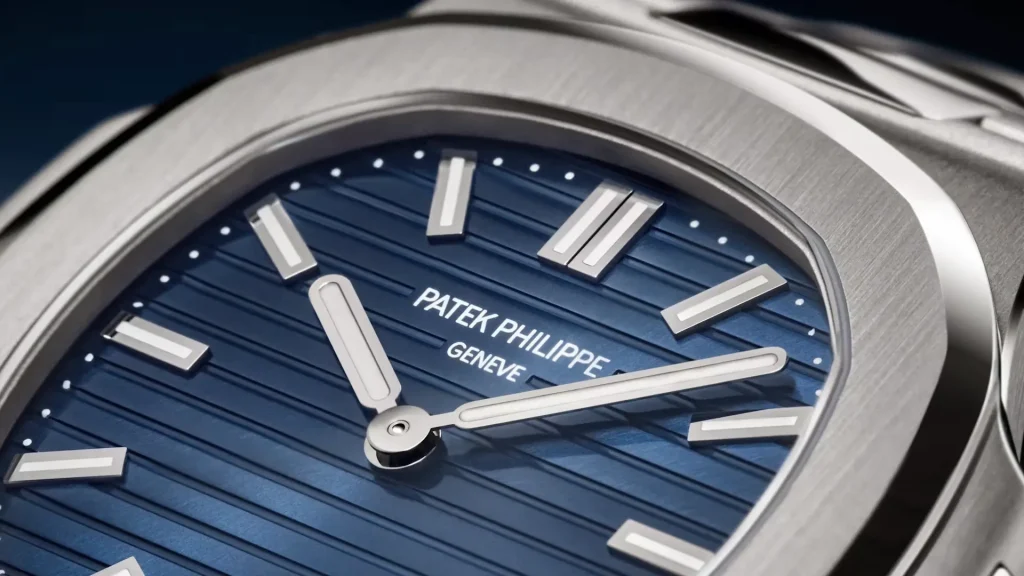
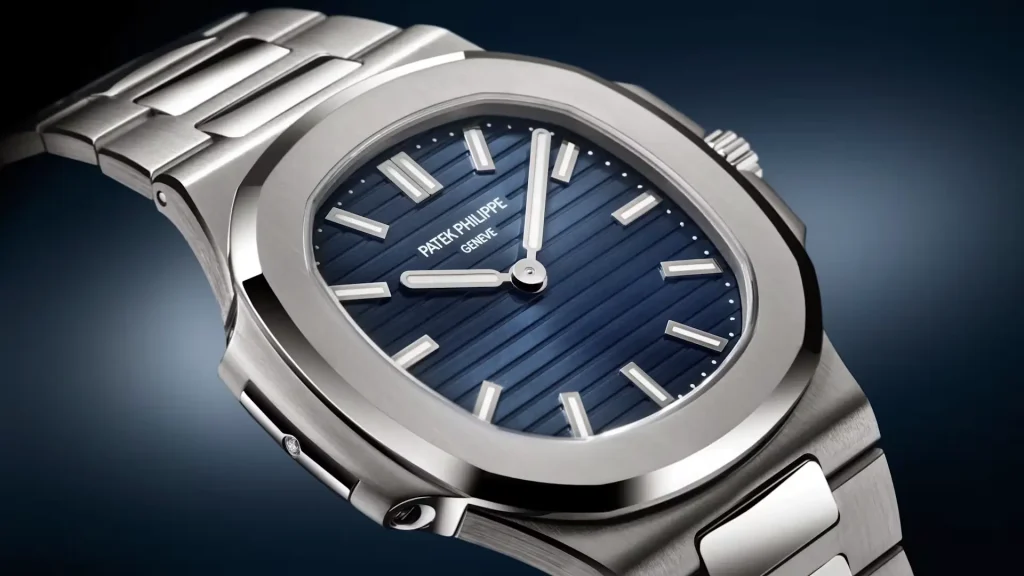
This week at Watches & Wonders, Patek Philippe honors both the 3700 and the 3800 with the white gold 5810/1G, and the platinum Ref. 5610/1P respectively. The designs don’t mirror the original watches, but do capture their best features. Neither watch uses a date, and the smaller 5610 ditches the seconds hand (which the 3800 introduced to the collection). By approaching these watches in this manner, Patek brings a sharp focus to their designs on a conceptual level, allowing the colors, the textures, and the shapes to stand out without interruption or practical considerations such as a date.
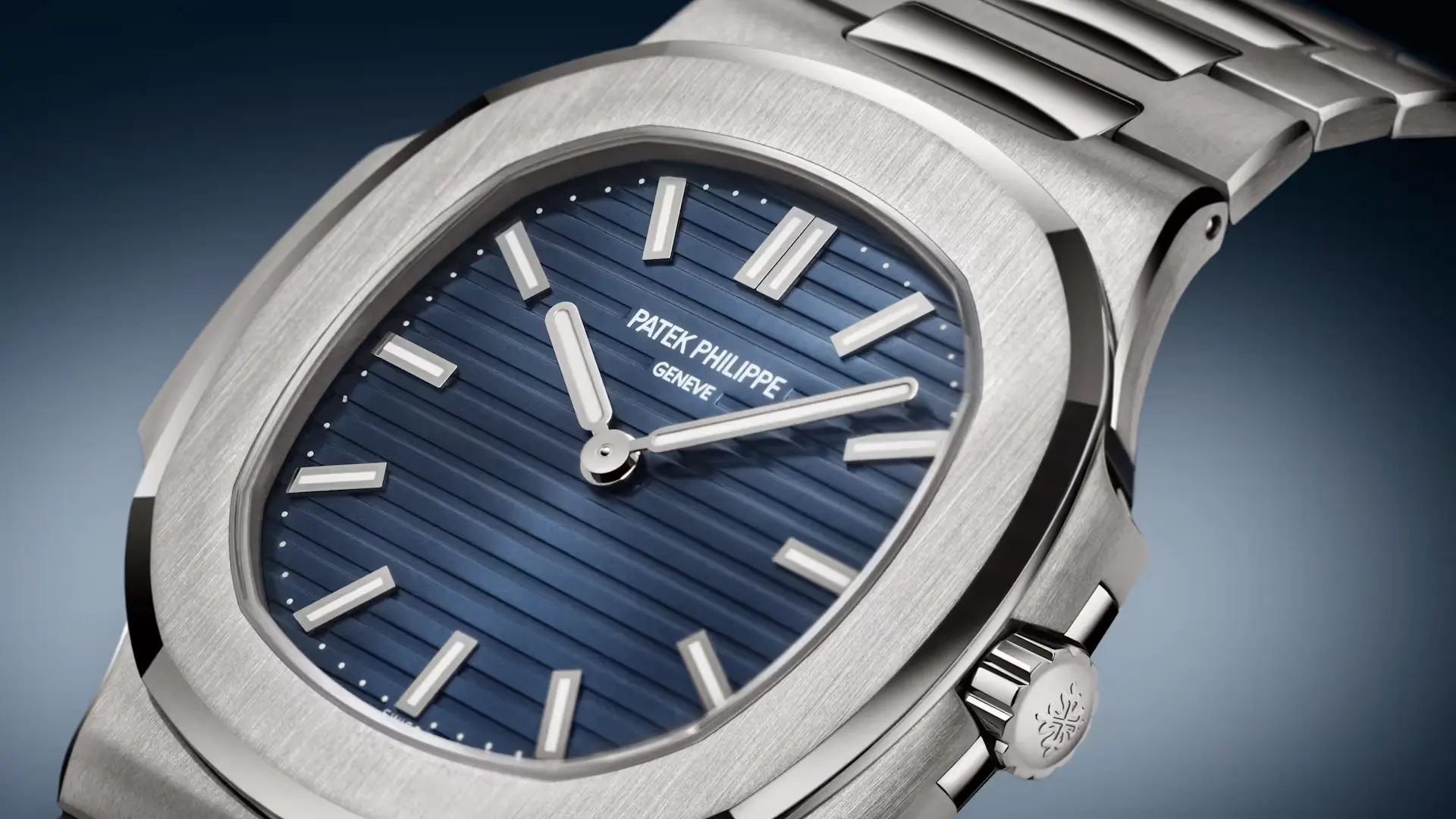
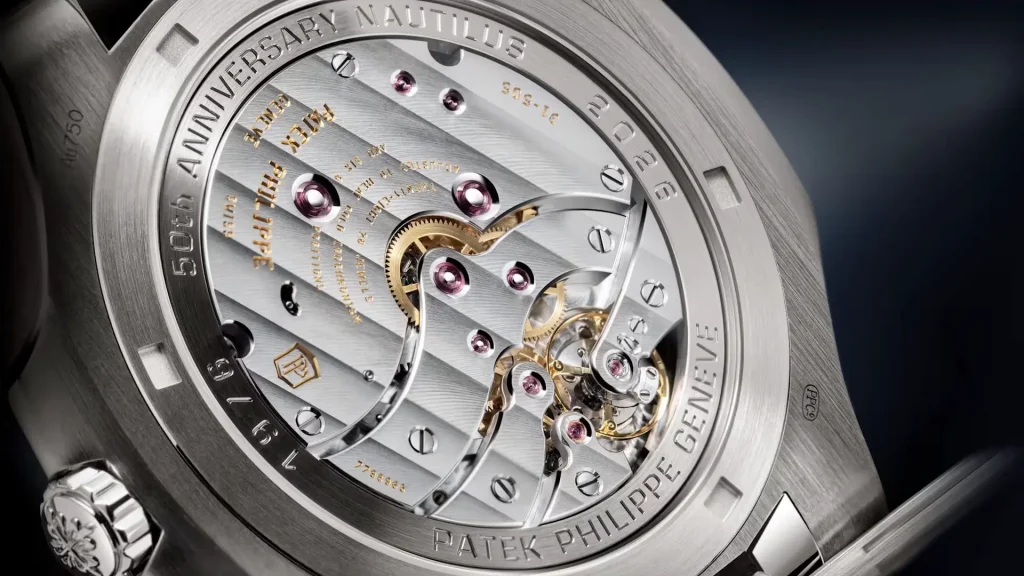
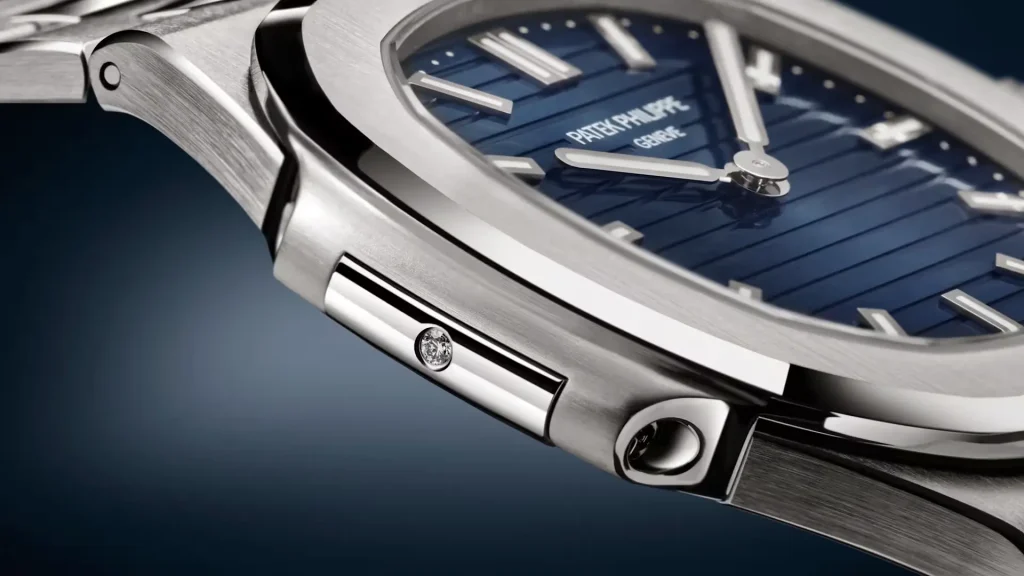
The 5610 is sized at 38mm in diameter, and just 6.9mm in thickness. It is platinum, and as a result gets a small diamond set into the ear at nine o’clock. Mercifully, acknowledgement of the anniversary is restrained to the oscillating weight of the micro-rotor 240 caliber, only visible when turned over. Patek Philippe will produce 2,000 examples of this reference, and the price will be $112,529.
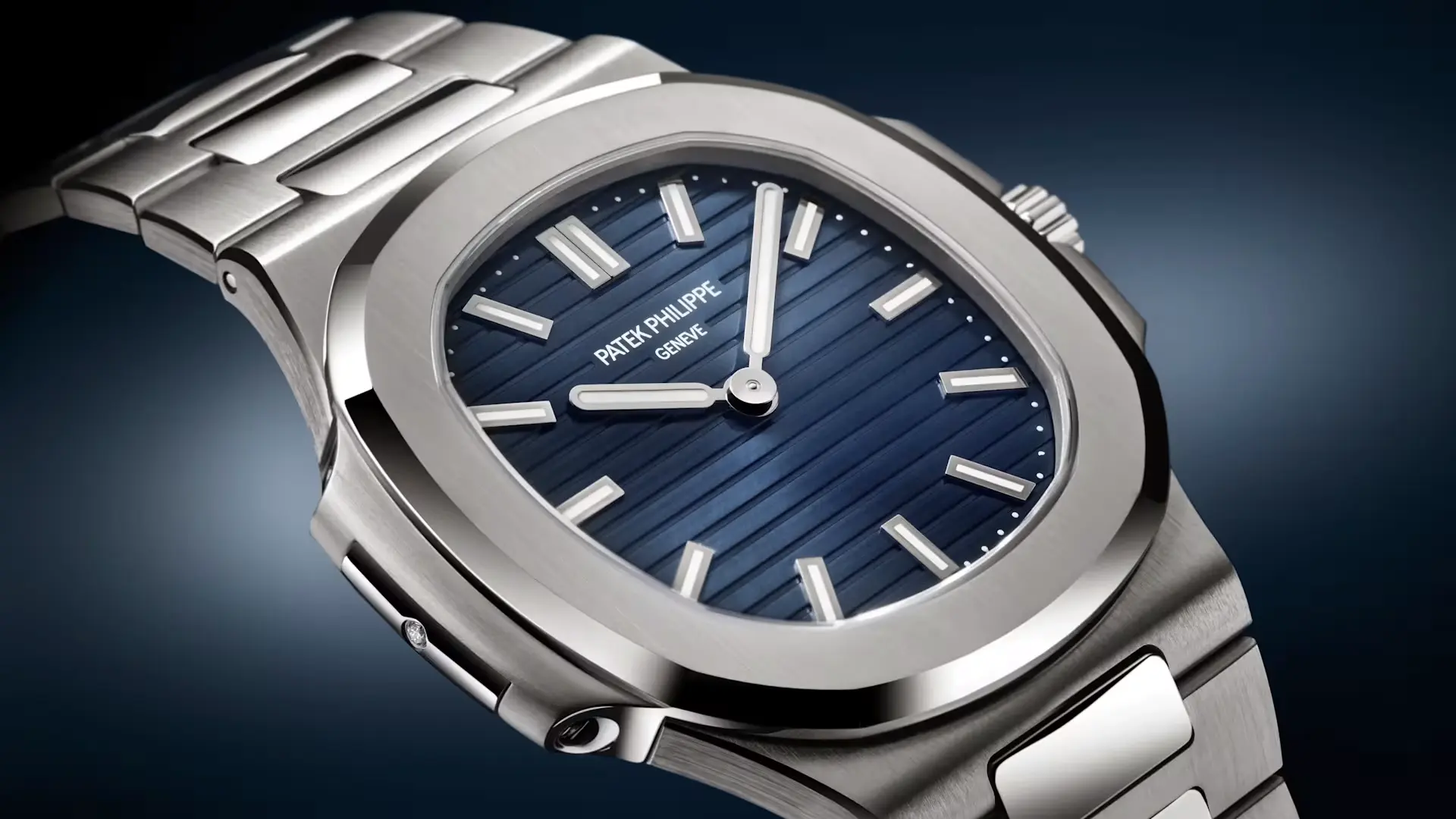
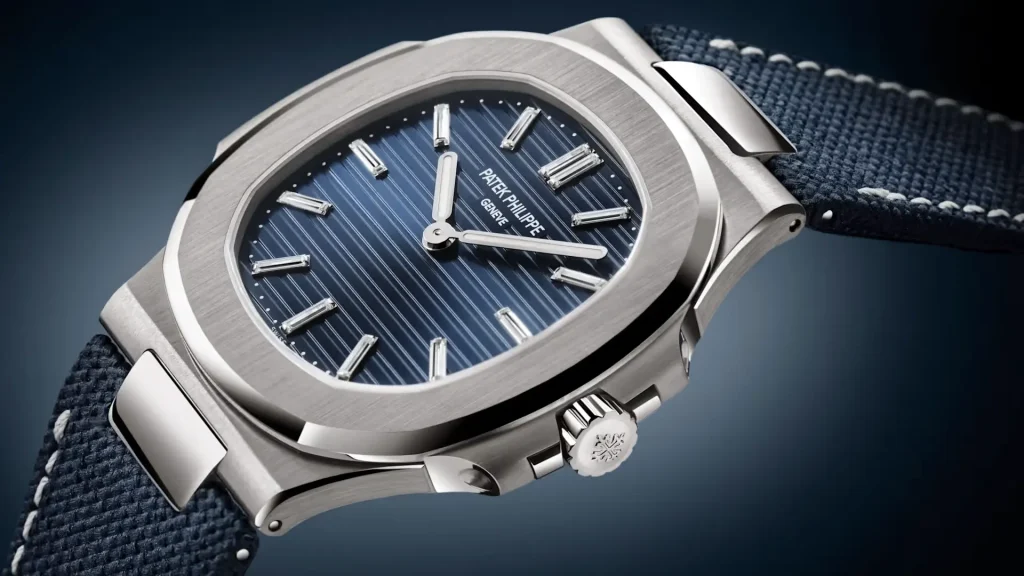
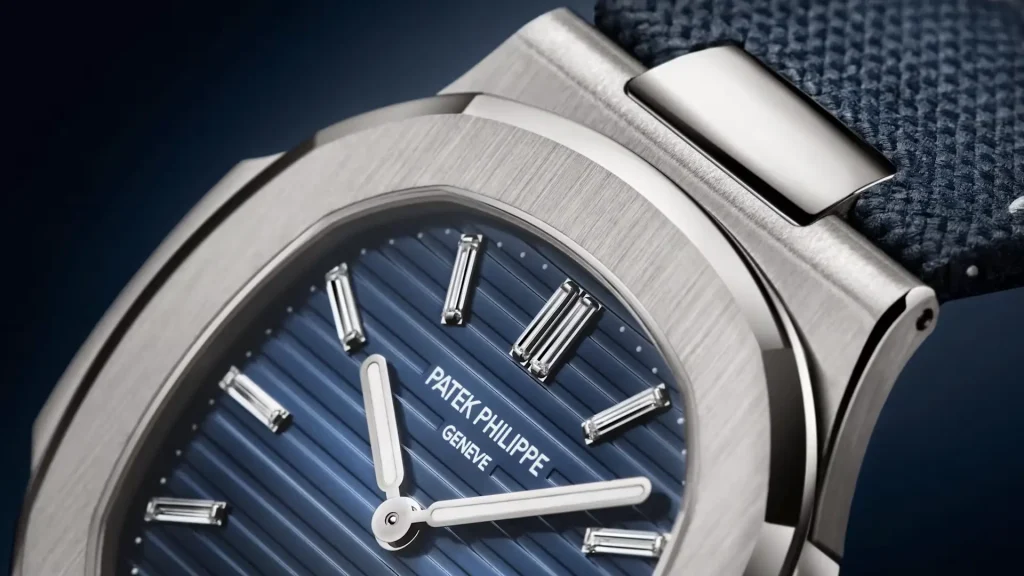
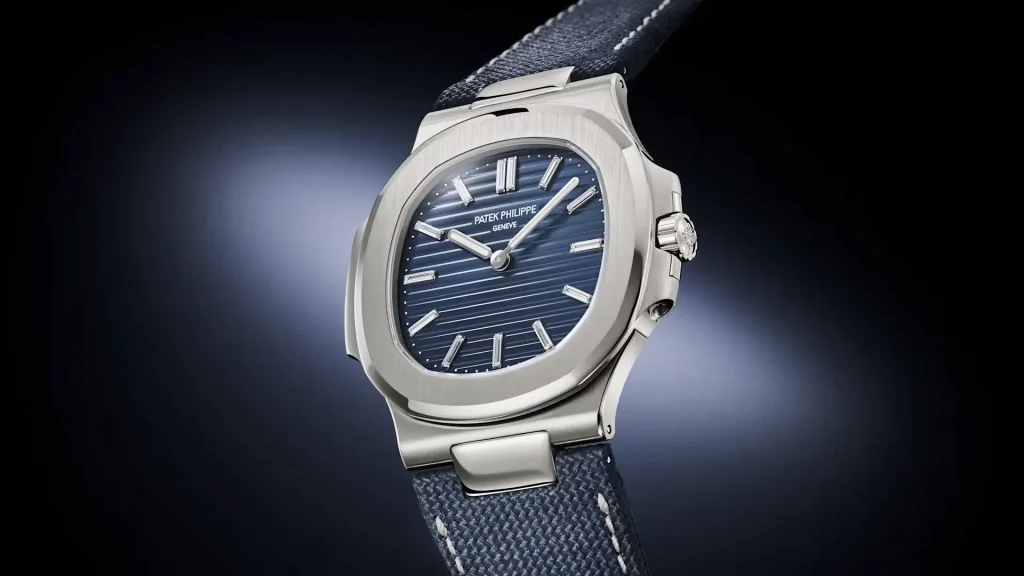
Moving the 5810 in white gold, we find a larger 41mm case that also measures 6.9mm thick thanks to the use of the same ultra-thin 240 caliber at use within. This is also limited to 2,000 examples, and will be priced at $93,774. Additionally, this reference can also be had on a navy blue composite strap, featuring a dial that uses hour markers set with baguette diamonds. This version is limited to 1,000 examples, and is priced at $75,019.
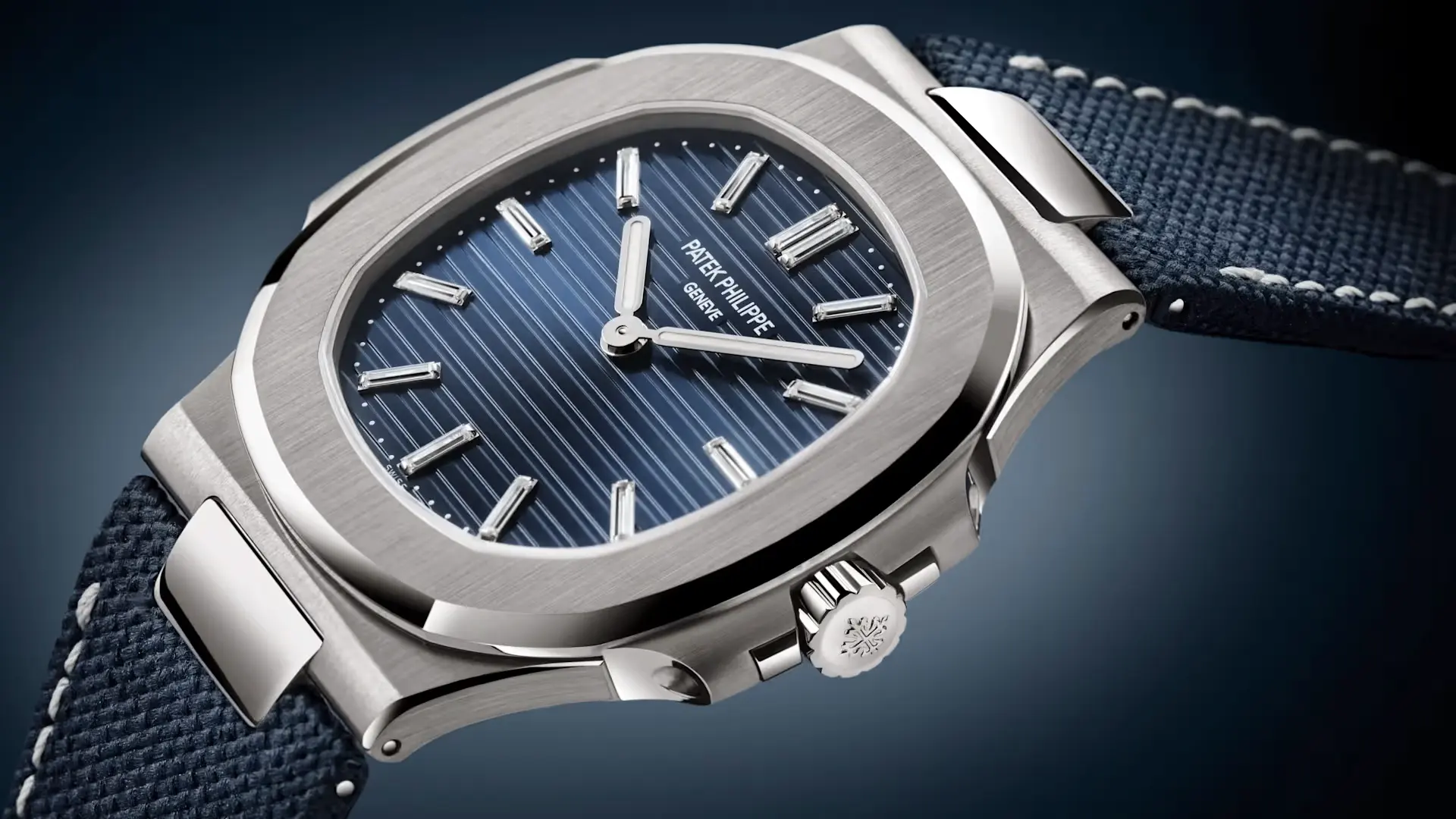
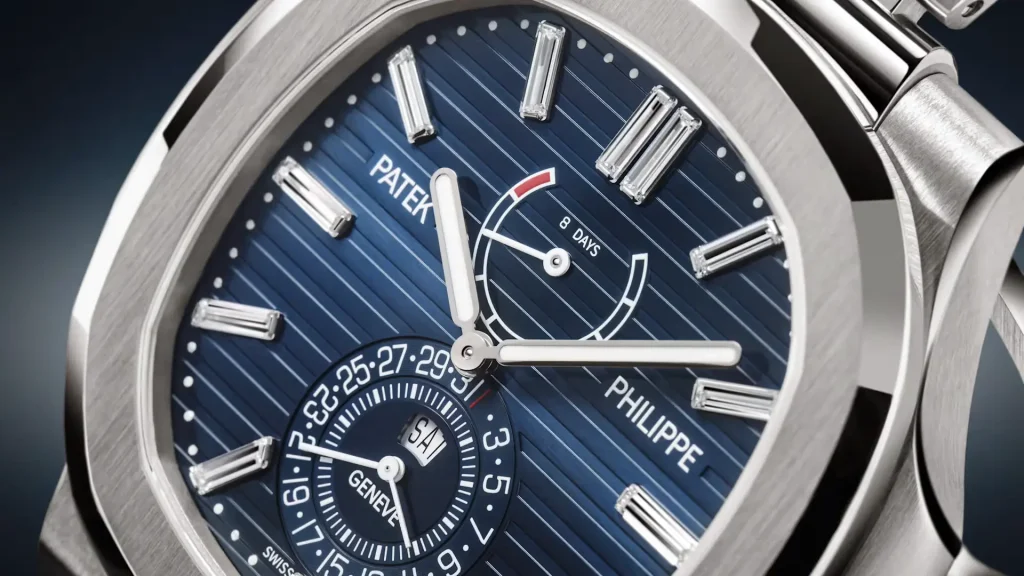
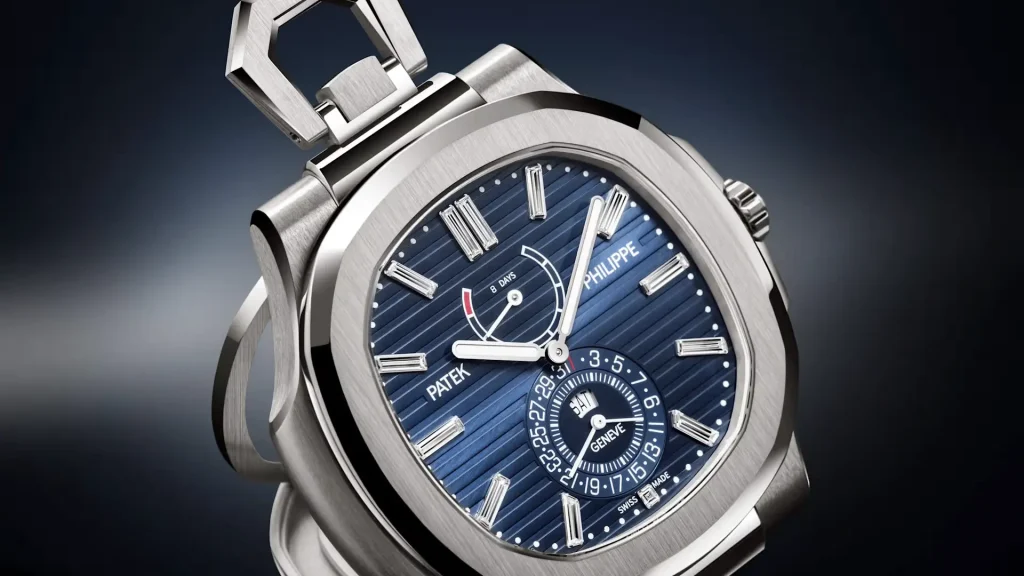
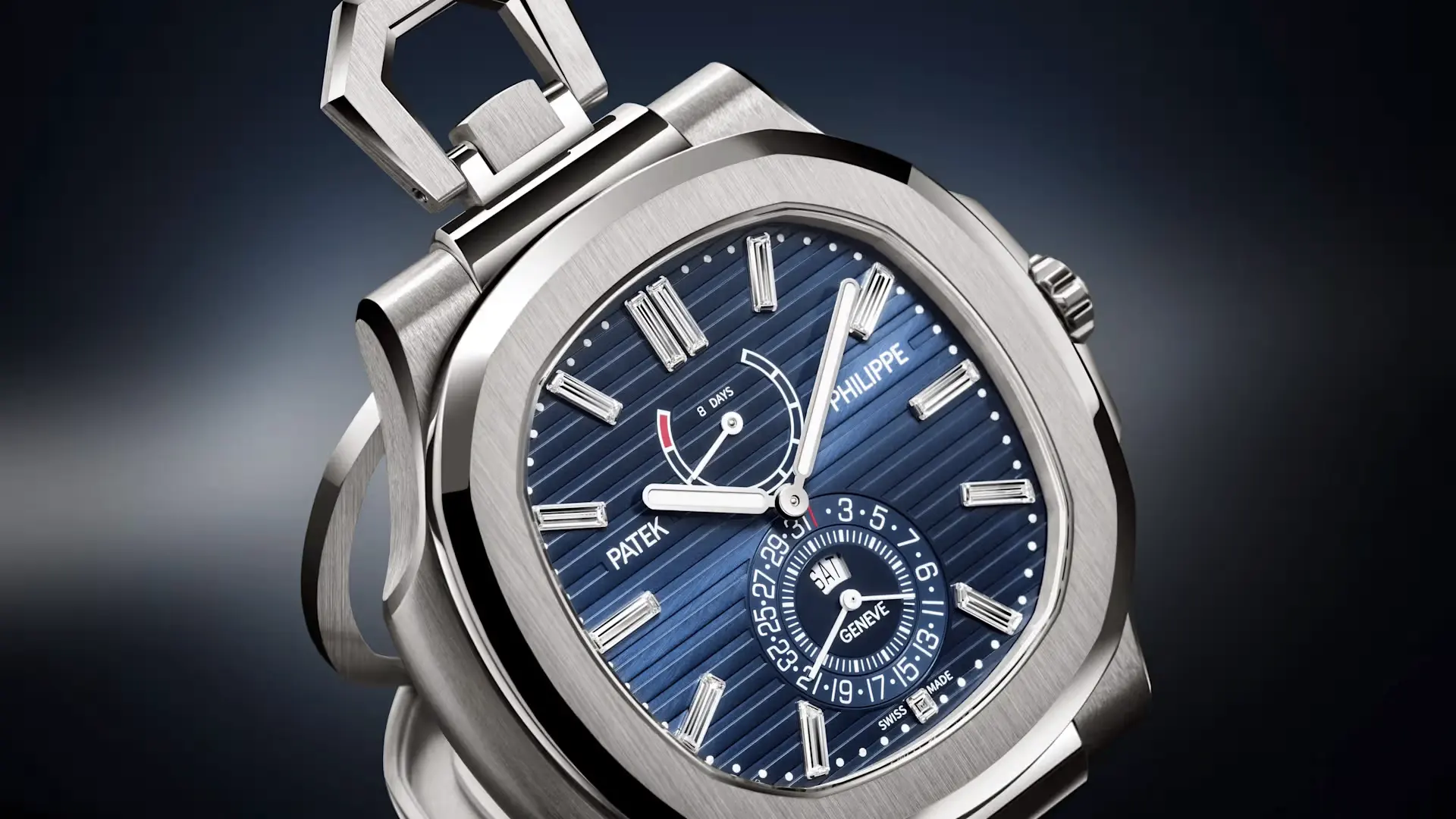
The final piece of this story comes in the form of the reference 958G-001, which is a Nautilus desk clock that could also be used as a pocket watch. This uses the brand’s manually winding, eight-day caliber 31-505 8J PS IRM CI J, and also displays the day and date at the bottom of the dial. This also uses baguette diamonds at the hour markers, and uses a hinged dust cover. This one will run you $256,315.
In total, these watches represent a comprehensive celebration of the Nautilus. The 5610 in particular is a sublime interpretation of the Nautilus at its very best, and while I imagine landing any of these will be quite difficult for the average collector, more importantly, they’ve reframed the Nautilus in a more intentional manner. Patek Philippe